

Support wildlife at Home!
Helping ecosystems doesn’t have to come from large-scale projects with grant-backed budgets; it can start in your own garden. With a little sweat, dirty hands, and achy bones, we can accomplish a whole lot right outside our own doors.
Button up those overalls and let's get to work!
Shaping Your Own Wildlife Habitat: An IntroductionIt all starts with the location; whether you have an apartment balcony in a busy Midwest city or acres of property in the Pacific Northwest. For me, it’s a backyard of less than a quarter acre, butted up against a creek in the residential area of a central Indiana small town. From the start, creating as much wildlife habitat as possible has been a priority and passion of mine. This section of our website is an opportunity to share my experiences in the process, all of the successes and failures that have come along the way.
When I moved to my current home in 2019, it was ecologically barren to say the least: a mature maple tree beside the driveway, a non-native shrub at the far end of the yard, and turf grass. That’s it. Almost nothing is beneficial to the native wildlife in my community. There were some creatures to be found, but mostly just what was attracted to and supported by the creek.
Fast forward to now, and things have certainly changed. Close to 75 species of native plants now fill the landscape, providing food and shelter for countless critters. Songbirds feast upon berry-laden shrubs in late spring; Goldenrod and milkweed blooms are covered in a variety of pollinator insects; a rabbit seeks cover in the hedgerow during a winter snowstorm; life is everywhere.
Turning your yard into a habitat for wildlife can be intimidating at first: invasive vs. non-native vs. native plants, the often high cost and low availability of said native plants, the dos and don’ts of feeding birds, and the list goes on. We’re here to answer those questions and provide some guidance. We’ll show you tutorials for starting seeds and building nesting boxes; provide sources for finding what plants are native to your area, and anything else that can help you create your own wildlife habitat at home.
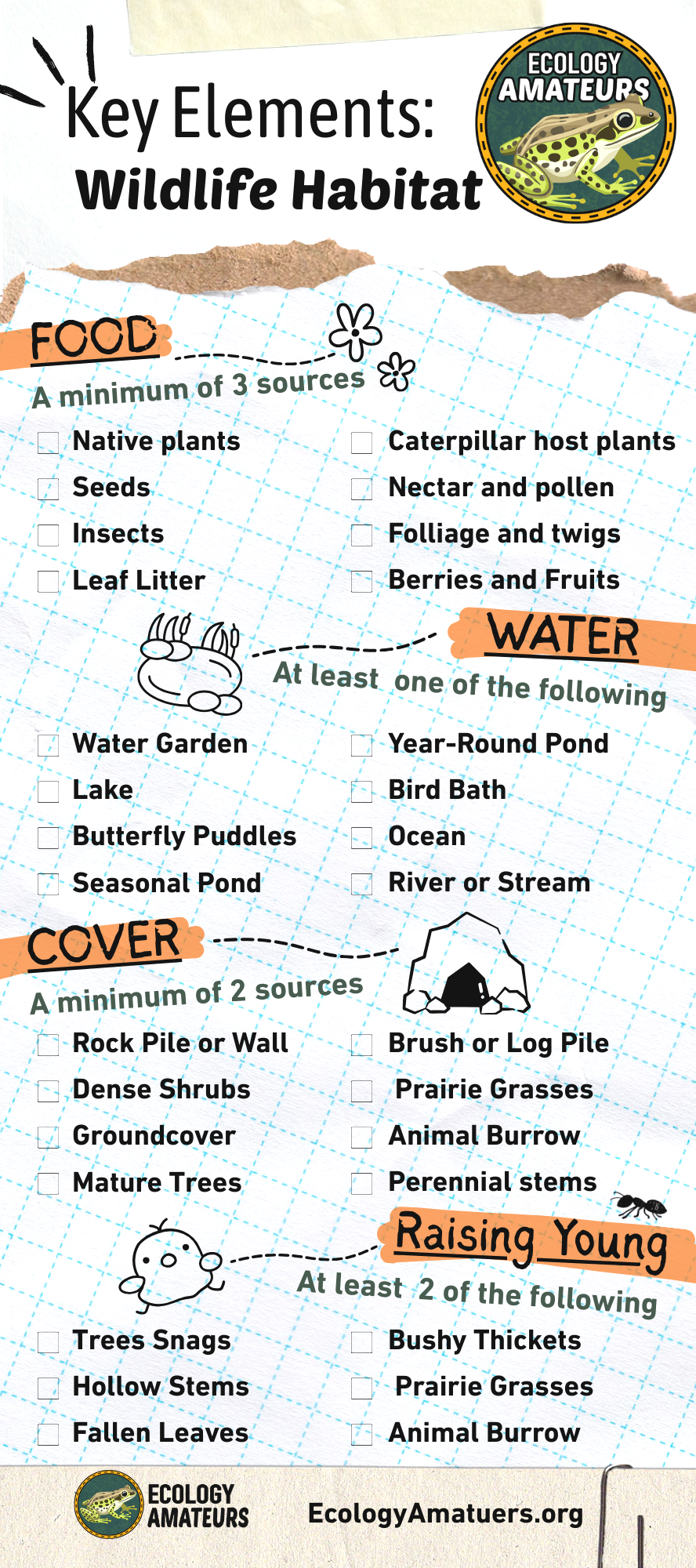
Habitat loss—due to destruction, fragmentation, or degradation of habitat—is one of the primary threats faced by wildlife today. Grasslands, forests, and wetlands are being replaced by cookie-cutter suburbs and the concrete jungle. But together, we can make a difference. We can provide wildlife with natural sources of food, water, shelter, and a place to raise their young. We can increase the biodiversity in our backyards while making them more beautiful at the same time. So let’s get outside, my fellow Ecology Amateurs, we’ve got work to do.
- Jack

Who are you excited about supporting? 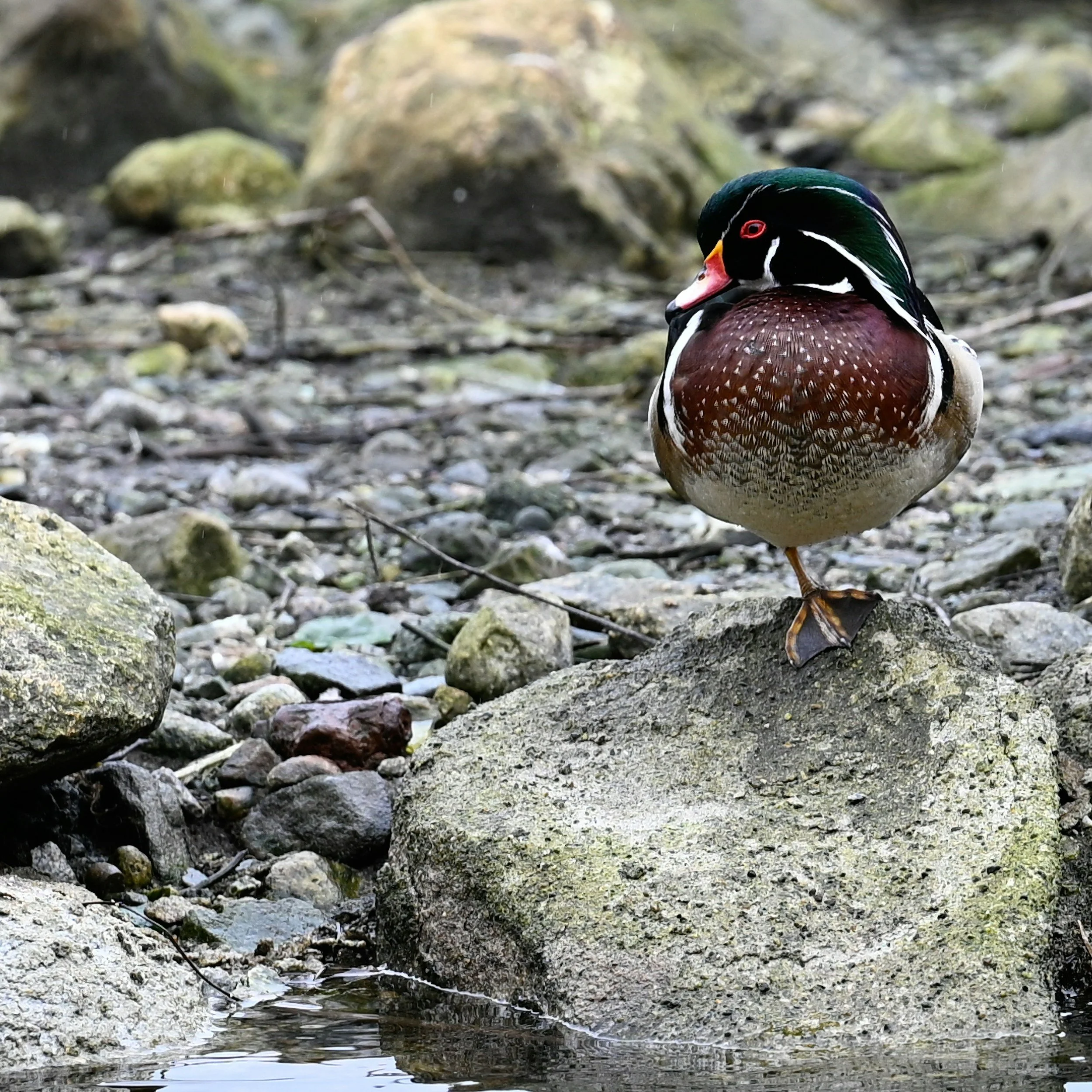
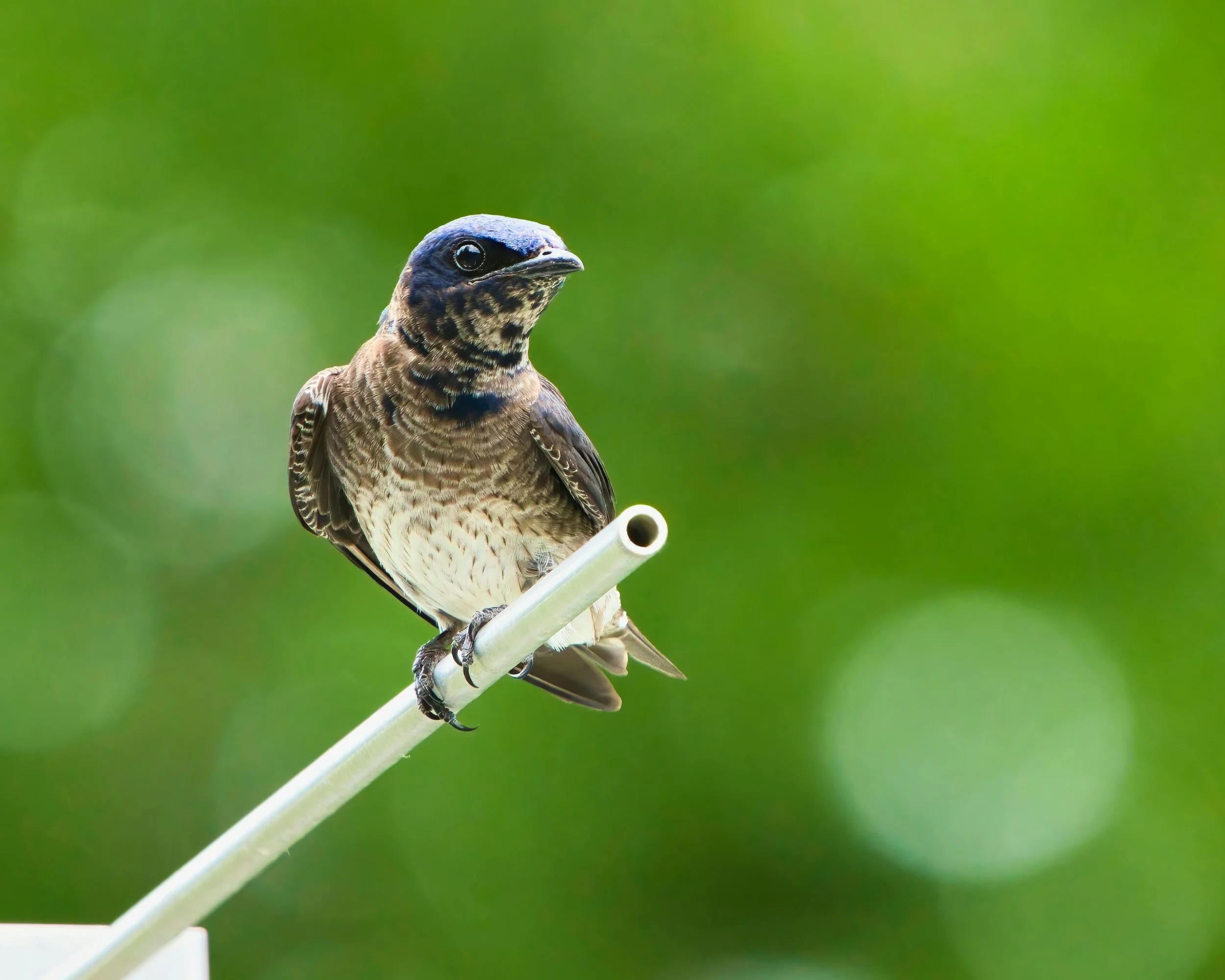
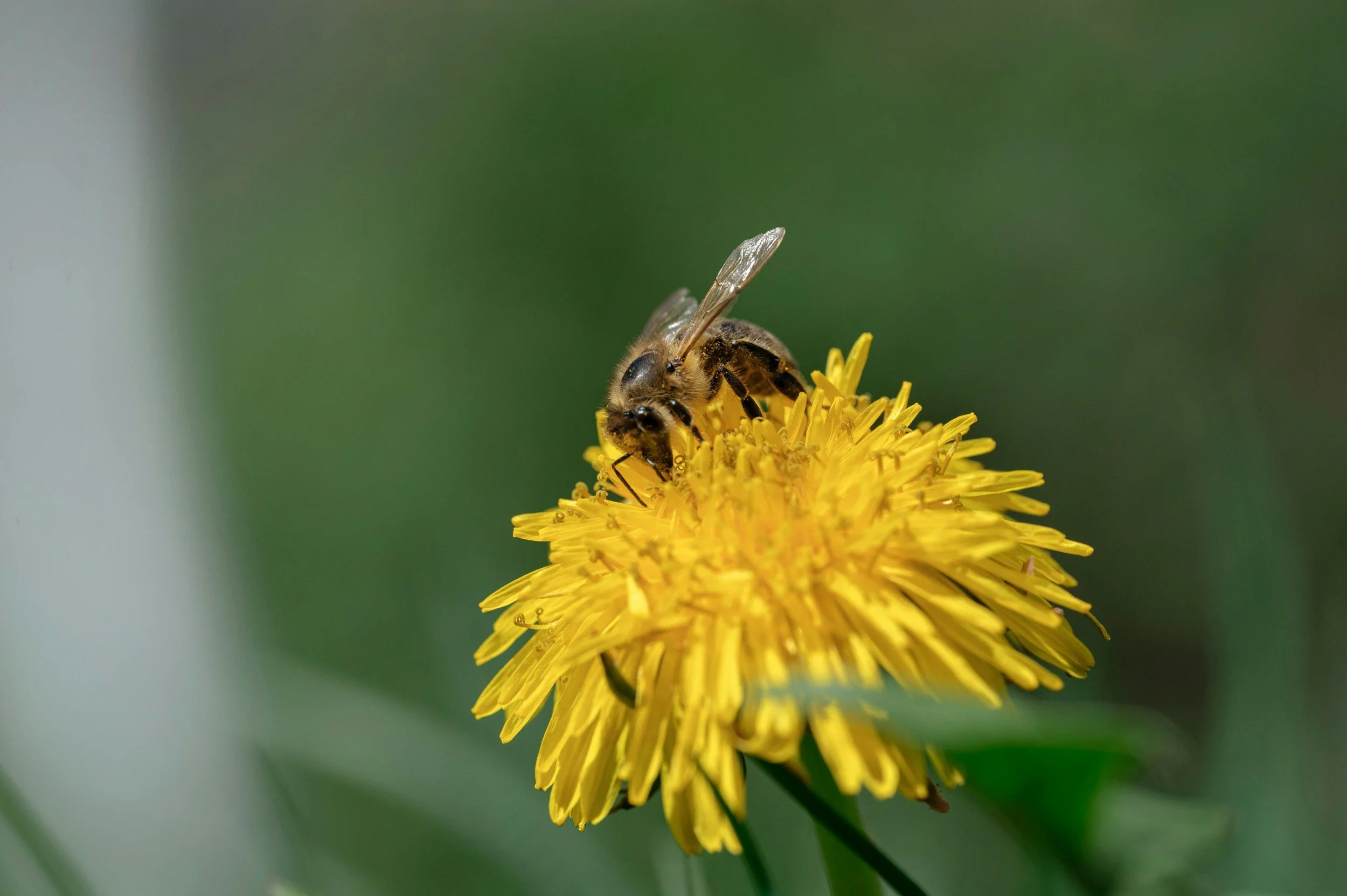
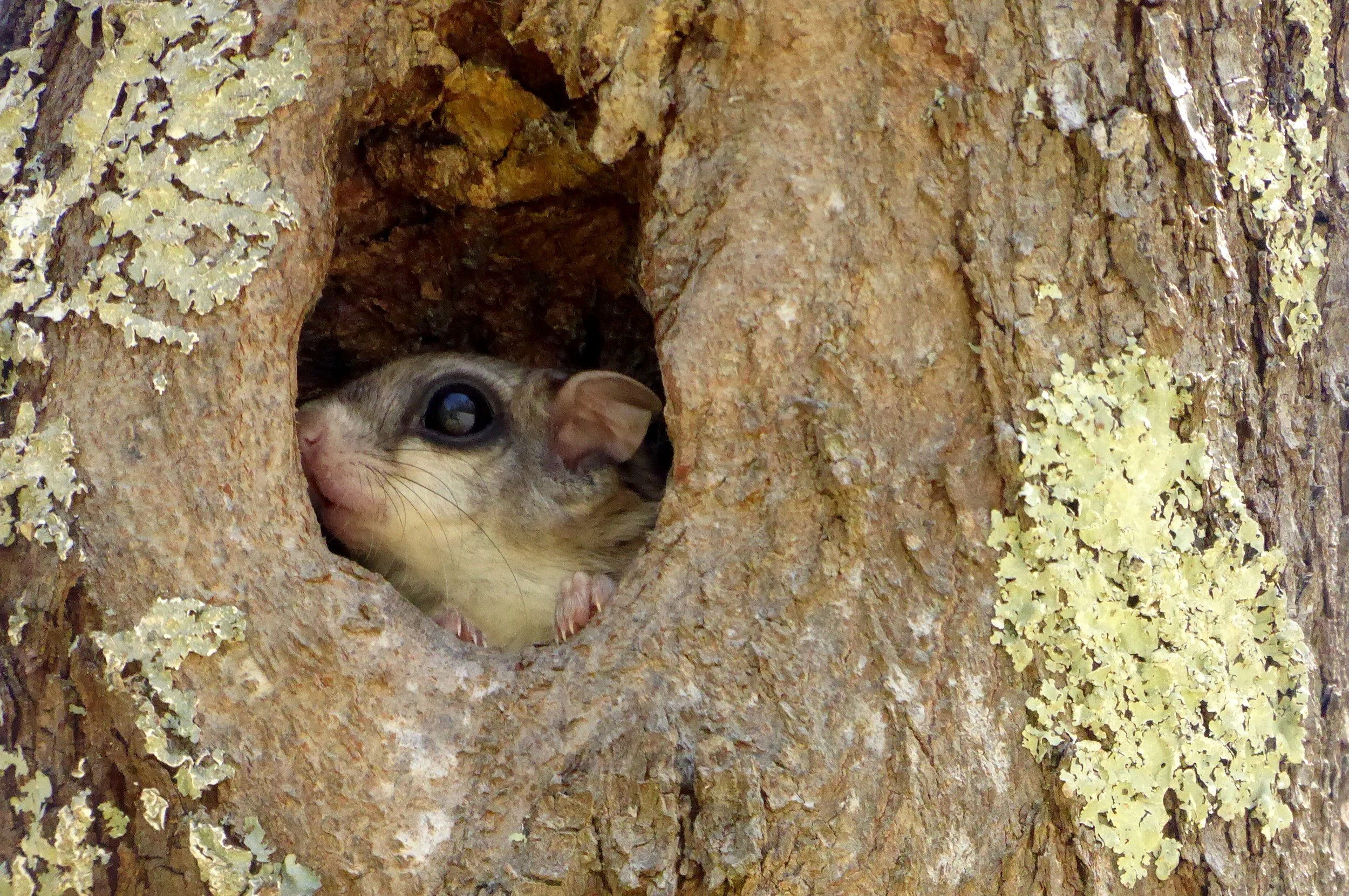
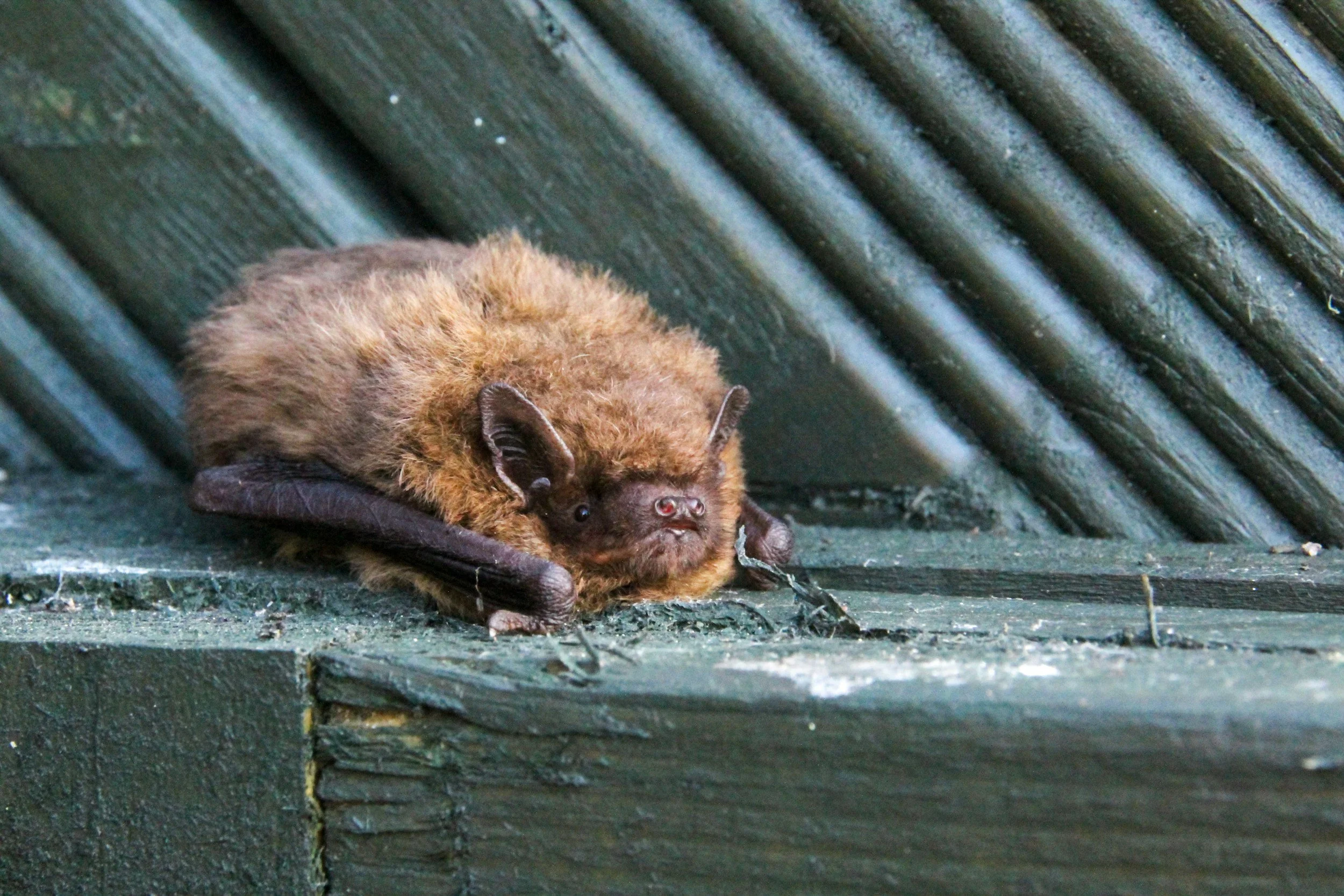

The key to establishing a good habitat is choosing the correct plants that will bloom throughout the growing season - plants that will provide nectar, pollen, fruits, berries, and nuts desired by wildlife in spring, summer, and fall. Ideally, a good start will include nine species: three that bloom in spring, three in summer, and three in fall.
How to “Plant Native” ?Analyze Site Conditions: Determine your USDA Hardiness Zone, soil type (sand, clay, loam), and light levels (full sun, part shade, shade).
Identify Local Natives: Utilize resources from the Native Plant Society in your city, botanical gardens, or Extension programs to source plants native to your specific area.
Match Plant to Site: Select plants that fit your site's moisture level, such as drought-tolerant species for dry areas or moisture-loving plants for wet areas.
Consider Plant Purpose & Size: Think about the mature height and width to avoid overcrowding. Select a mix of trees, shrubs, and perennials for biodiversity and year-round interest.
Prioritize Local Sources: Buy from nurseries specializing in local, native species to ensure plants are adapted to your regional climate.