

Solitary Bees
Supporting Solitary Bees at Home
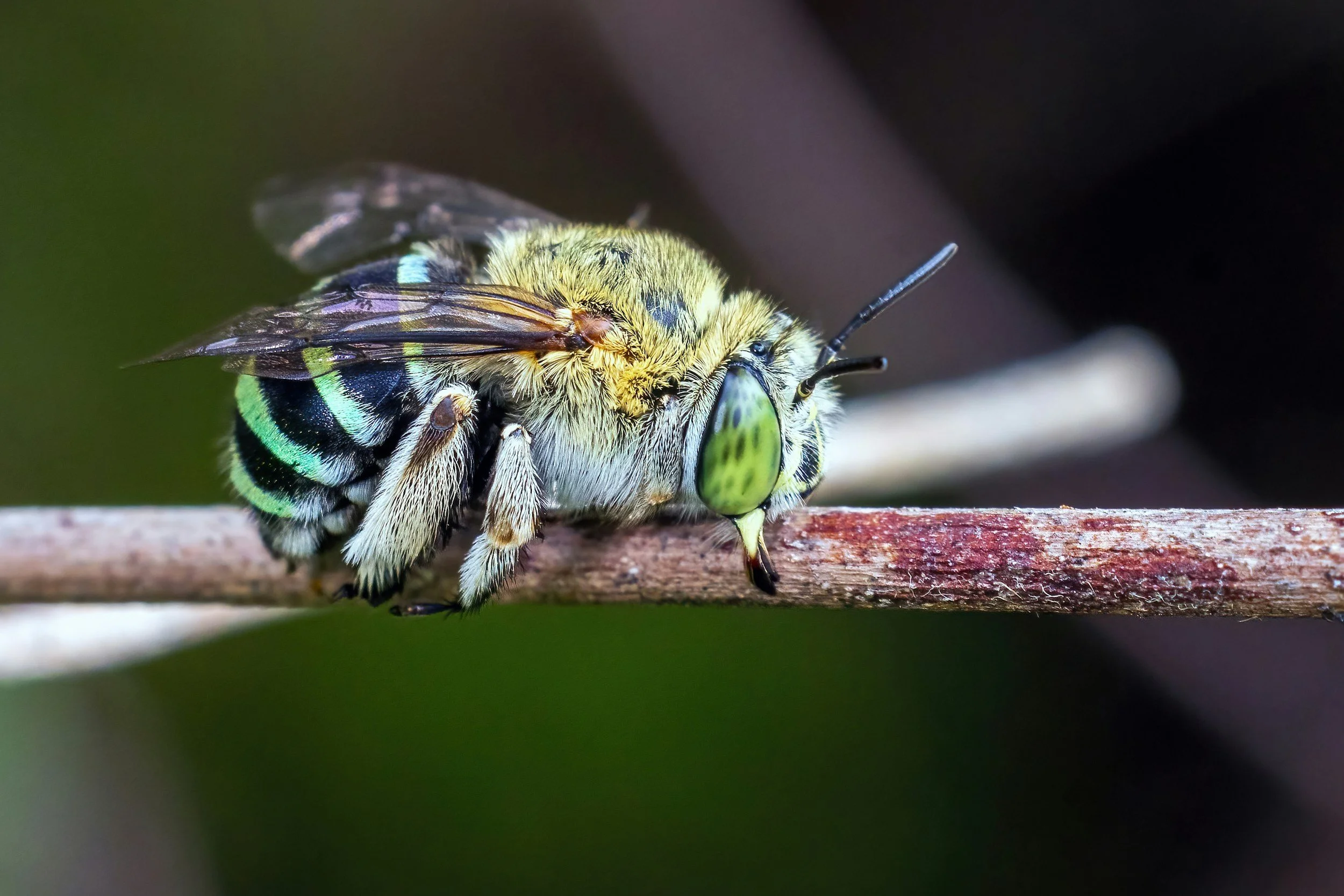
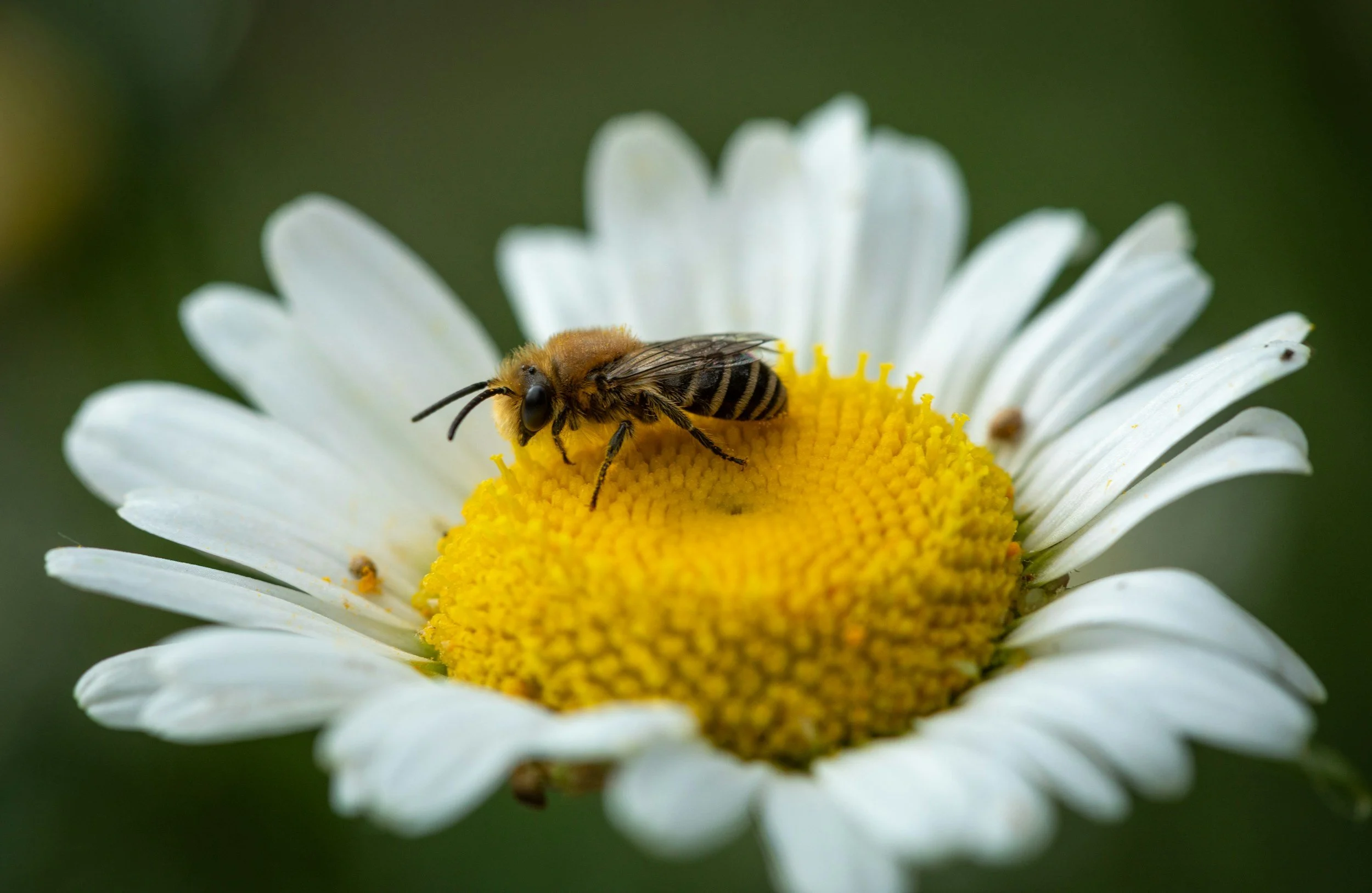
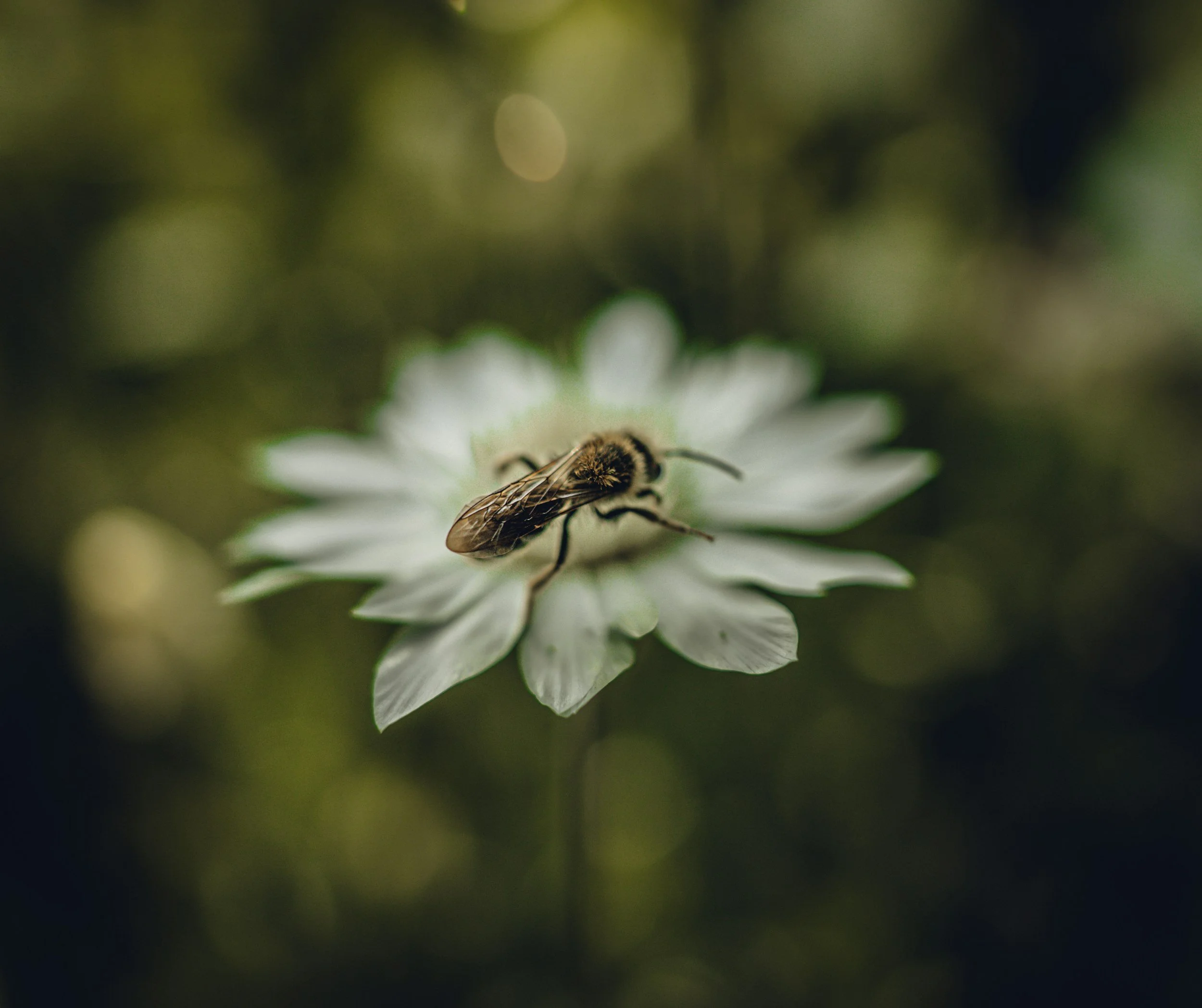
You probably know about honey bees from the stories, the hives, or maybe even local beekeepers. But here’s the secret… the vast majority of bee species don’t live in colonies at all; they live solo. These bees are called solitary bees, and they’re some of the most efficient pollinators around. Each female bee builds and provisions her own nest with pollen and nectar for her young, which means when they show up in your yard, they’re working hard for your garden and local wildflowers.
Why Solitary Bees Matter
Solitary bees include mason bees, leafcutter bees, and hundreds of others. They don’t make honey, they don’t swarm, and they’re basically harmless to people, but they are superheroes for blooms.
If butterflies are the celebrities of the pollination world, solitary bees are the roadies and lighting crew, quiet, overlooked, but essential. These bees are responsible for a huge chunk of natural pollination in ecosystems and food systems. They visit dozens of flowers on tiny foraging trips, and many of them only wander a few hundred feet from where they were born, which means your yard matters.
Step 1: Give Them Food
Solitary bees need abundant flowers that provide both nectar (for energy) and pollen (for growing larvae).
Here’s how to feed them:
Plant a buffet of blooms that flower from early spring through fall.
Mix colors and shapes, because bees have preferences (and variety means more visits).
Choose mostly native plants; they’re what bees evolved with and what they know best.
A long season of flowers gives your solitary bee visitors a steady food supply right where they live.
Step 2: Make or Provide Nesting Spots
Unlike honey bees in hives, most solitary bees make nests in one of two ways:
Ground Nesters
About 70% of native bees dig little burrows into bare or lightly vegetated soil. They like sandy or loamy spots with a clear path to the surface.
To help them:
Leave small patches of soil bare and undisturbed (don’t till them).
Avoid heavy mulch over these areas so bees can access the ground.
Hollow Nest Lovers
Other bees, like mason bees, nest in hollow stems or tiny cavities in dead wood. You can support those by:
Leaving dead stems and wood where they won’t create hazards.
Installing bee houses or block nests with tubes or drilled holes of varying widths.
Place these in sunny, sheltered spots facing morning light for warmth.
Bee houses are basically tiny condominiums for solitary bees, and watching them glide in and out over spring and summer is one of the best garden shows you’ll ever see.
Step 3: Treat Your Yard Like a Pollinator Friend
Here’s the part where nature and “neat and tidy” are at odds…and we’re totally taking nature’s side.
Less Lawn, More Feast
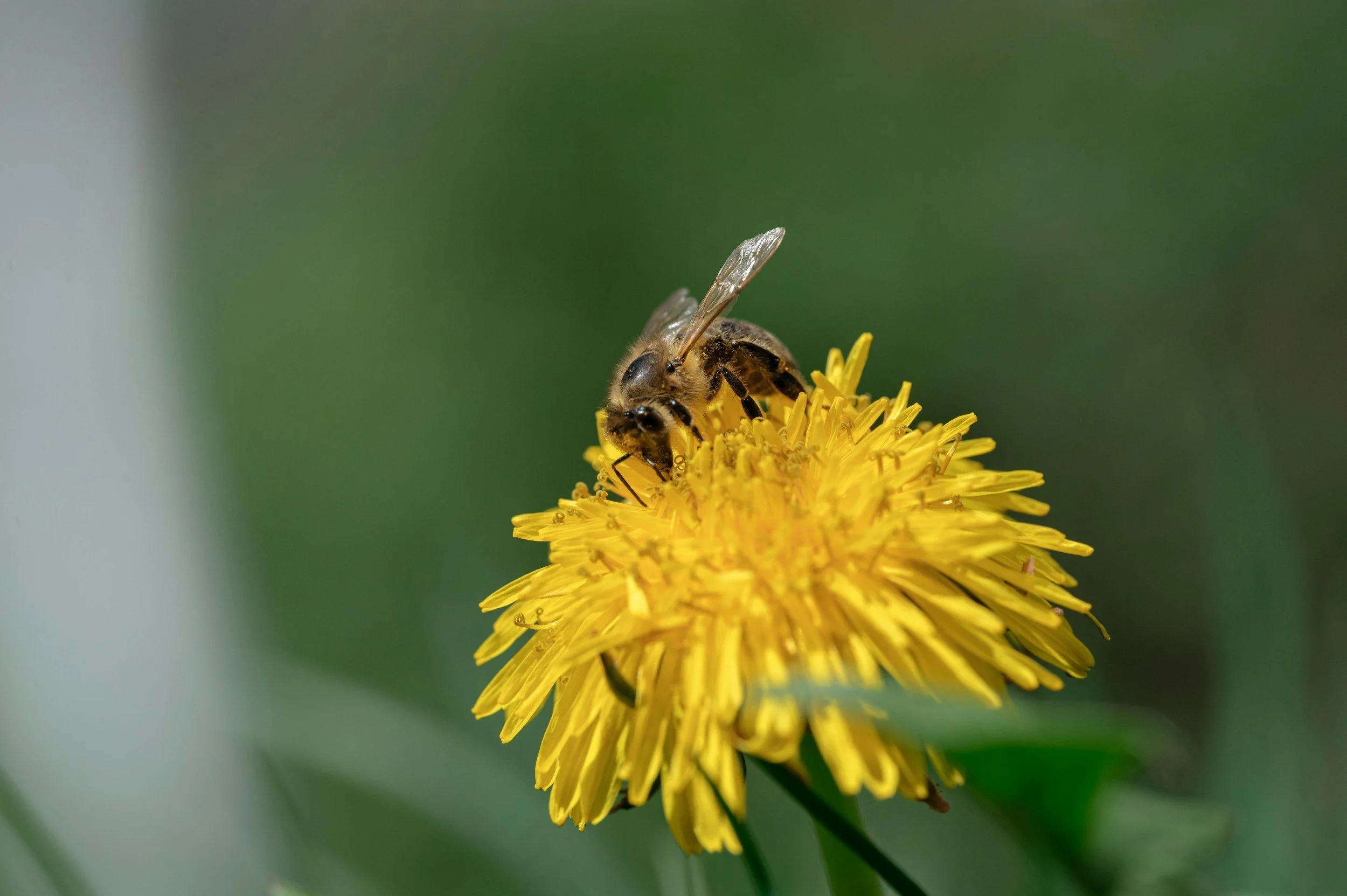
Let some weeds bloom! Dandelions and clover might get a bad rap, but they’re delicious nectar stops for bees.
Skip the Chemicals
Pesticides (especially neonicotinoids) can make nectar and pollen toxic. Even if you intend to use these chemicals for pest control, they don’t discriminate. Go organic and use holistic pest approaches instead.
Keep Water Available
A shallow dish with pebbles makes a perfect bee watering station. Bees bop around on the pebbles, drink safely, and keep buzzing.
Seasonal Hacks to Maximize Success
Solitary bees are seasonal flyers:
In early spring, mason bees emerge and go right to work on spring blooms.
Later in summer, leafcutter bees take over with a style all their own (look for round leaf cut-outs in your garden).
Plant species that bloom at different times so your yard is always offering something when a bee wakes up and says, “Hmm, breakfast?”
WARNING: Be a Good Host
If you do build bee houses, keep an eye on them:
Clean or replace the tubes each year to prevent the buildup of parasites or disease.
Watch that the birds or other critters aren’t raiding the homes.
Consider leaving some natural materials out, too; hands-off is best.
And remember, most native bees are shy and gentle. They’re here to help, not hassle you.