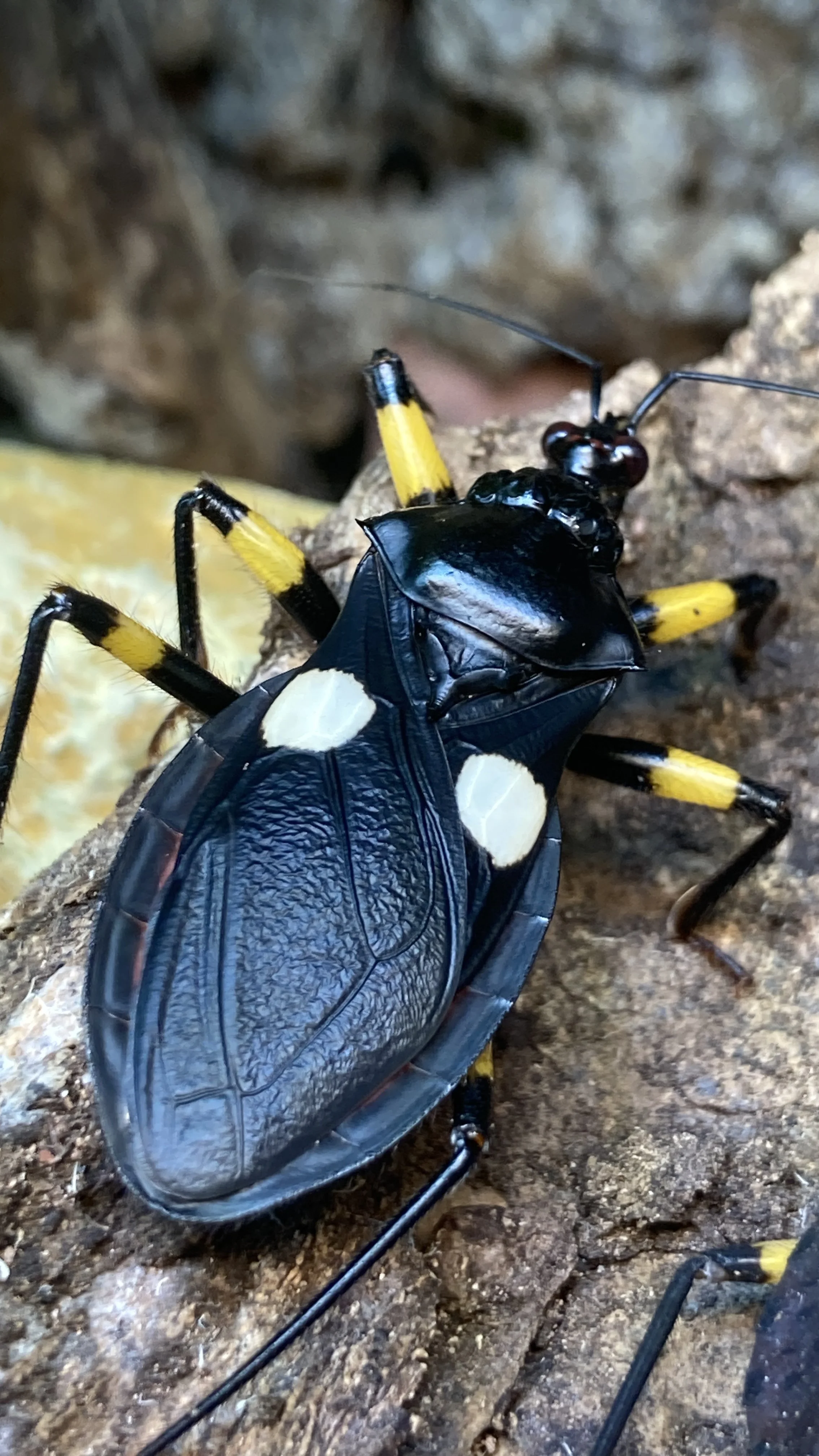
Entomology: The Science of the Small That Runs the World
When people think about wildlife, they usually picture wolves, bears, whales, or eagles.
But the truth is, insects are the foundation holding almost every ecosystem together. Entomology is the study of insects, and once you start paying attention to them, you realize they’re not background noise.
They’re the engine of the planet.
What Makes the World Go Around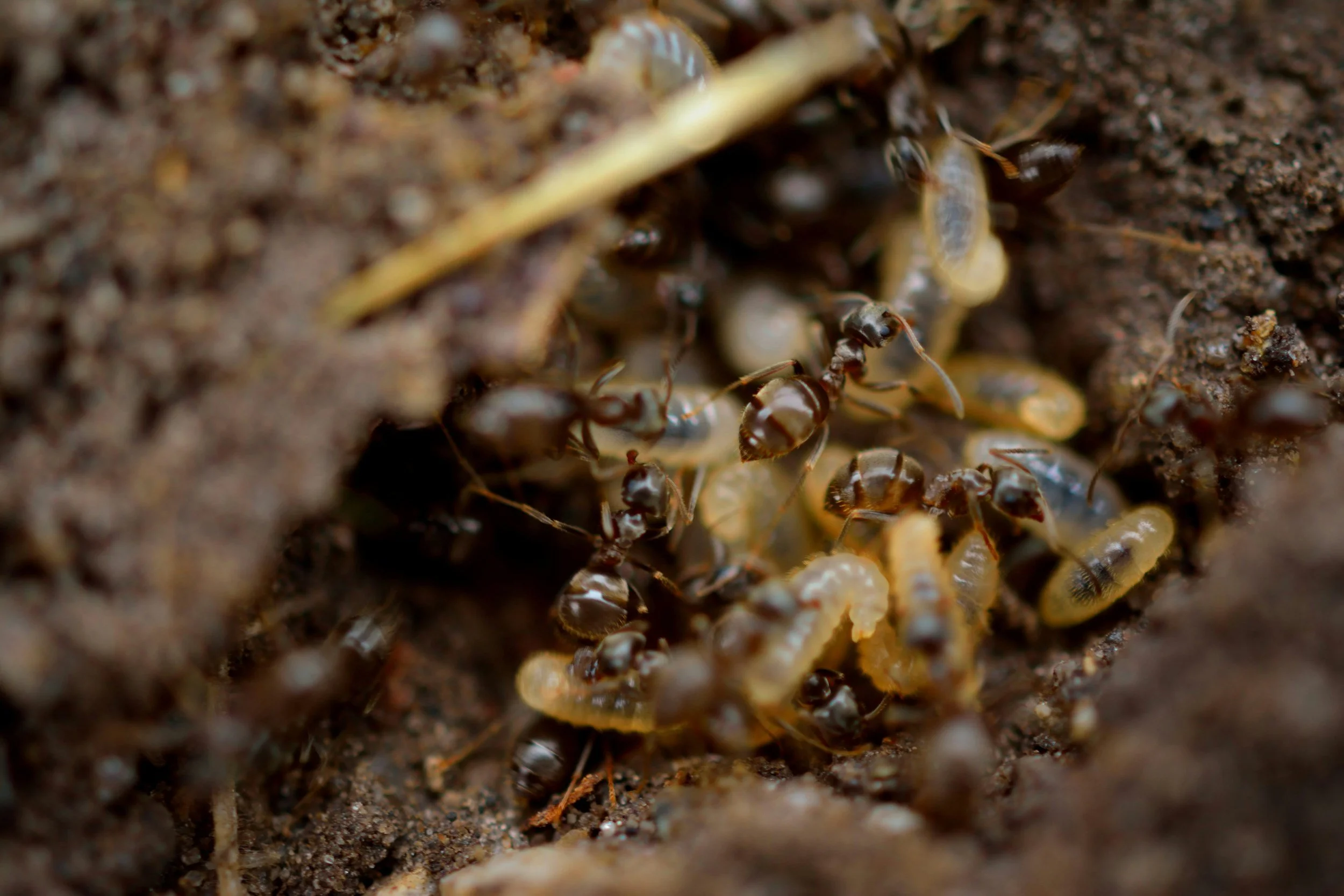
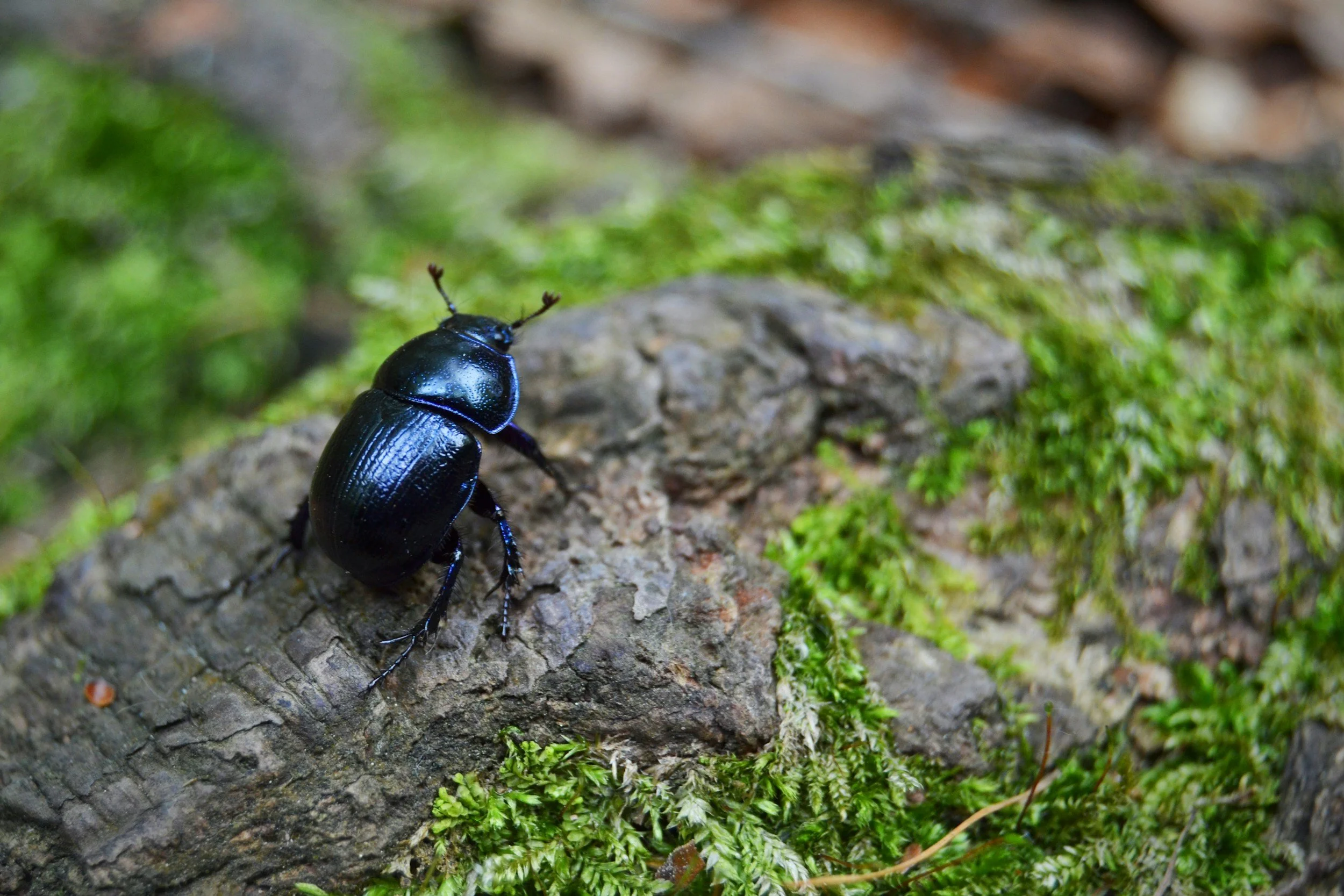
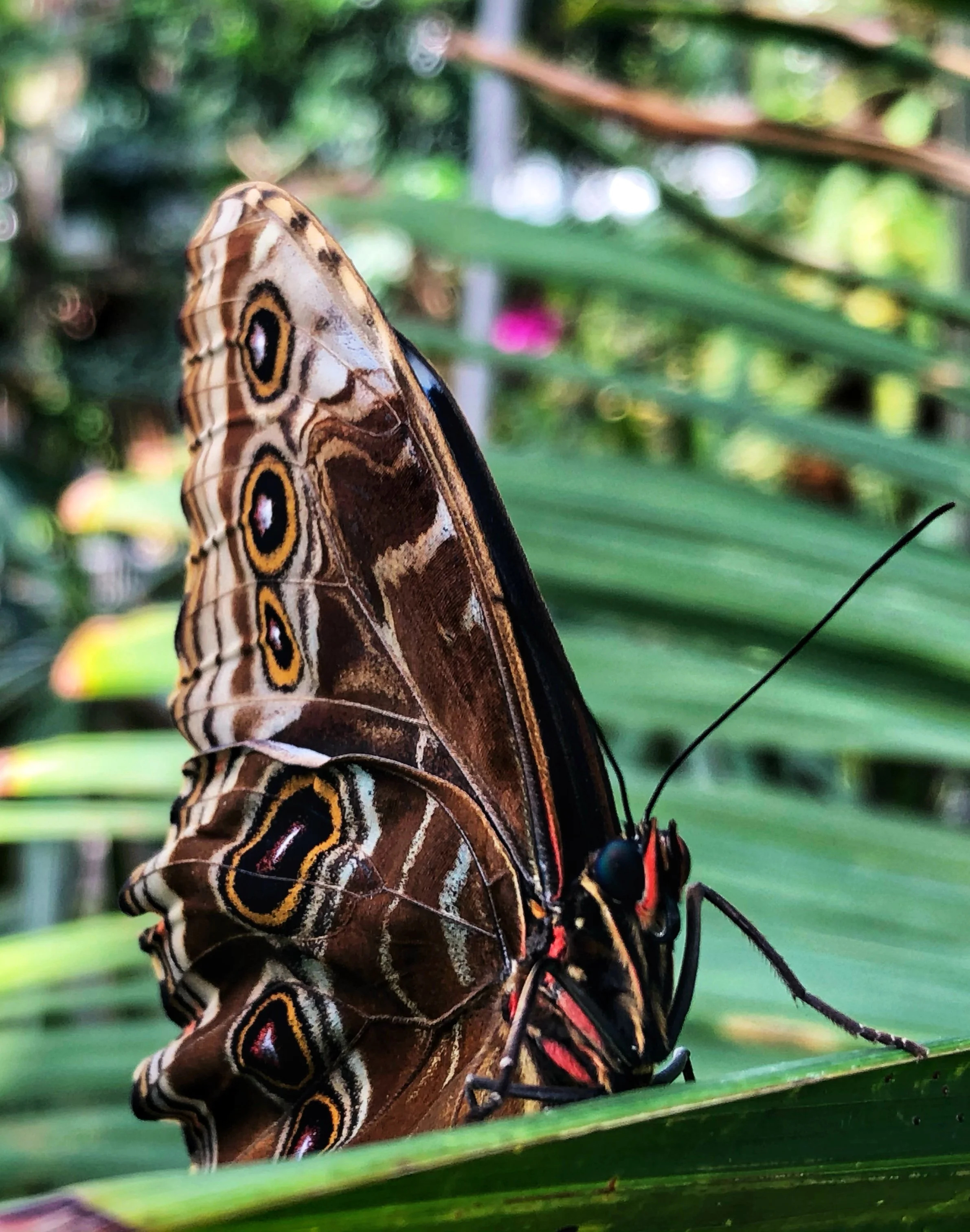
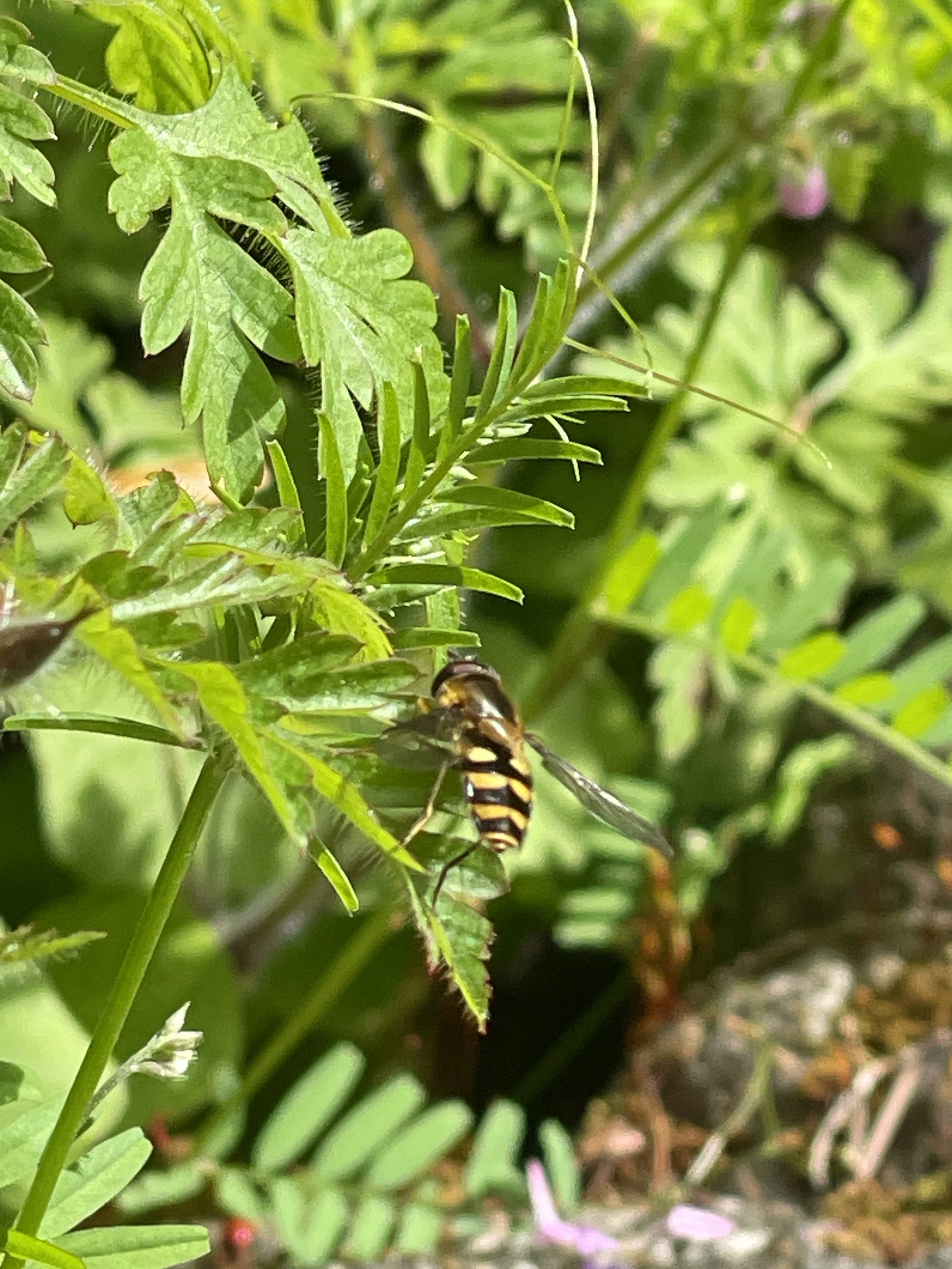

The Ecosystem MVPs
Insects quietly do jobs we couldn’t survive without:
Bees, butterflies, beetles, flies pollinate most of the plants that feed humans and wildlife
Ants and decomposers recycle dead material back into usable nutrients
Insects form the base of food chains for birds, amphibians, reptiles, fish, and mammals
That frog you love? Probably built on a diet of insects.
That bird outside your window? Same story.
Remove insects, and the whole system collapses upward.
Tiny Bodies, Wild Adaptations
For creatures with brains smaller than a grain of rice, insects are engineering marvels.
Some can see ultraviolet light
Some communicate with chemical signals stronger than perfume
Some lift many times their body weight
Some mimic leaves, sticks, bird poop, or even other dangerous insects
Evolution has been running experiments on insects for over 400 million years.
They’ve had a long time to get very good at surviving.
Why So Many People Fear Them
A lot of us grow up learning insects are “gross” or “scary.”
But most insects are harmless, and many are incredibly beneficial.
The ones we notice most tend to be the few that bite, sting, or show up in our homes.
Meanwhile thousands of species are quietly working outside keeping ecosystems functioning.
It’s kind of like judging all dogs based on one angry chihuahua.
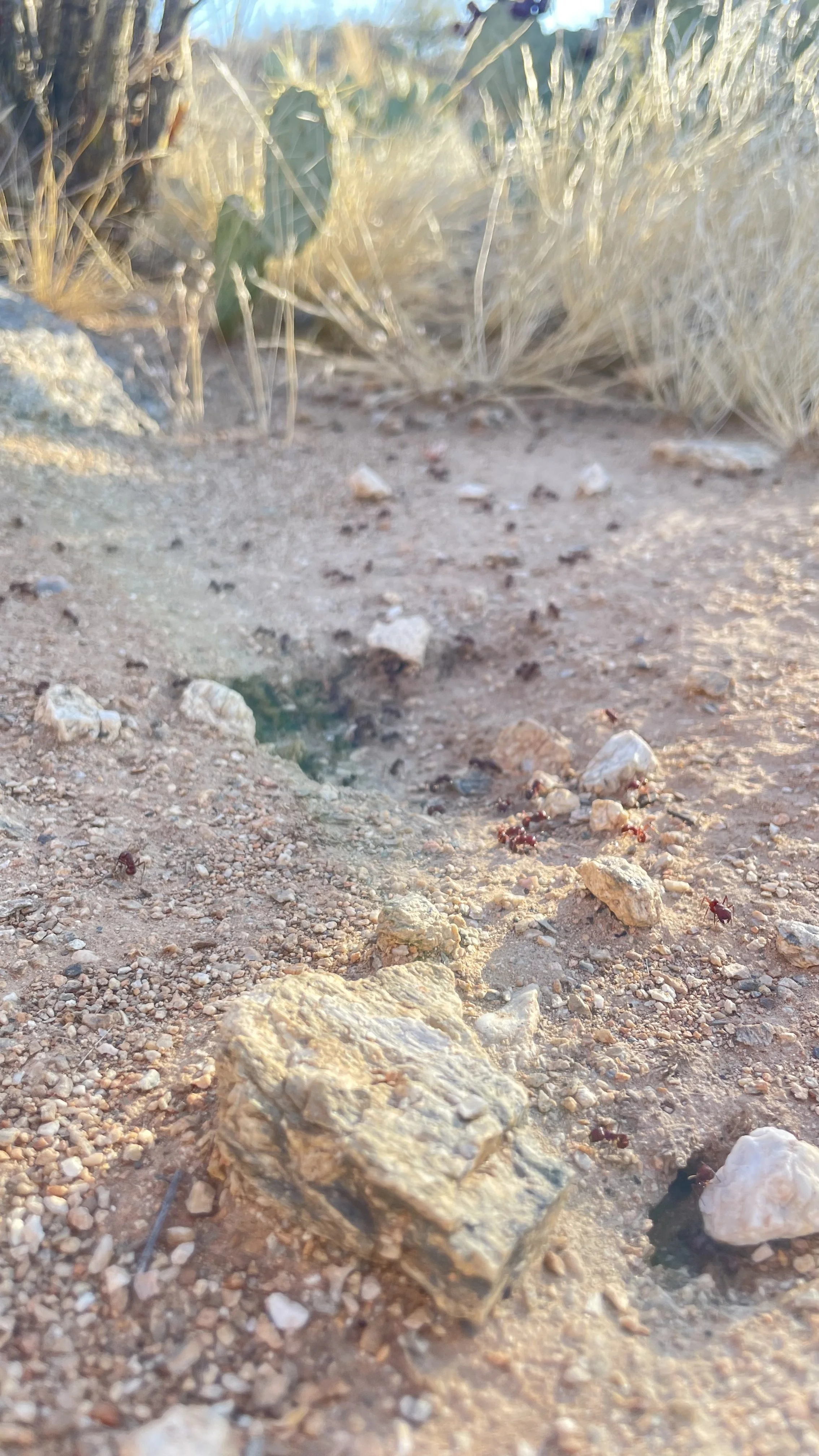
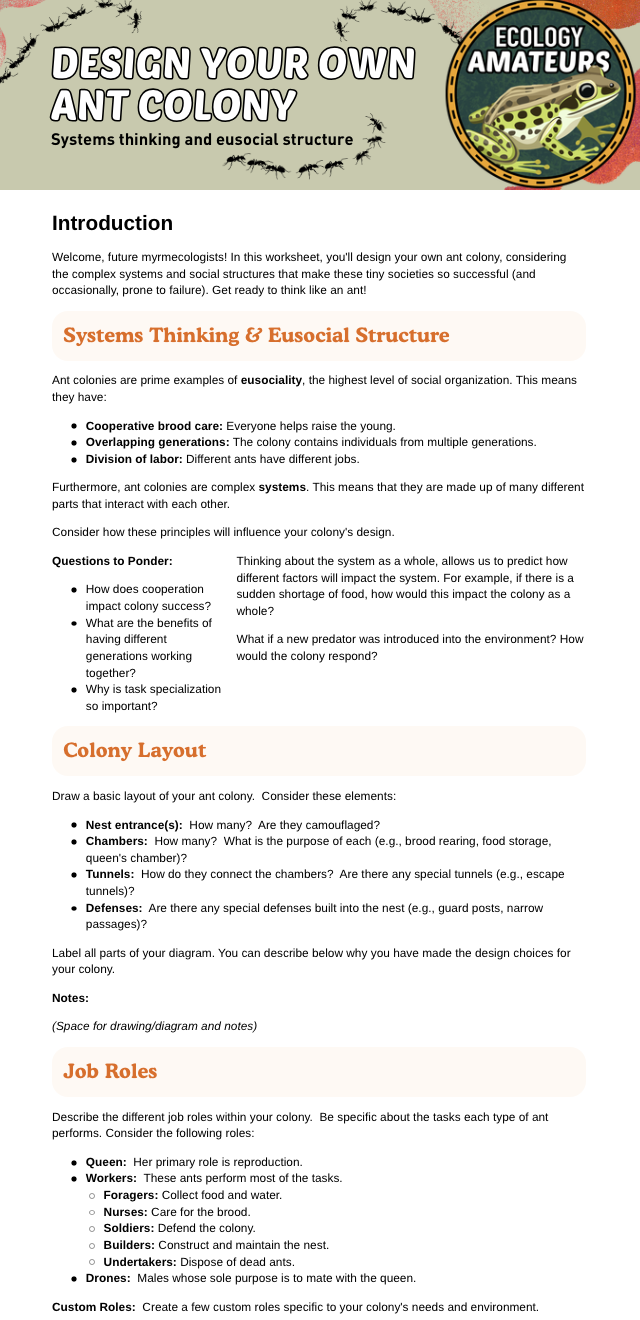
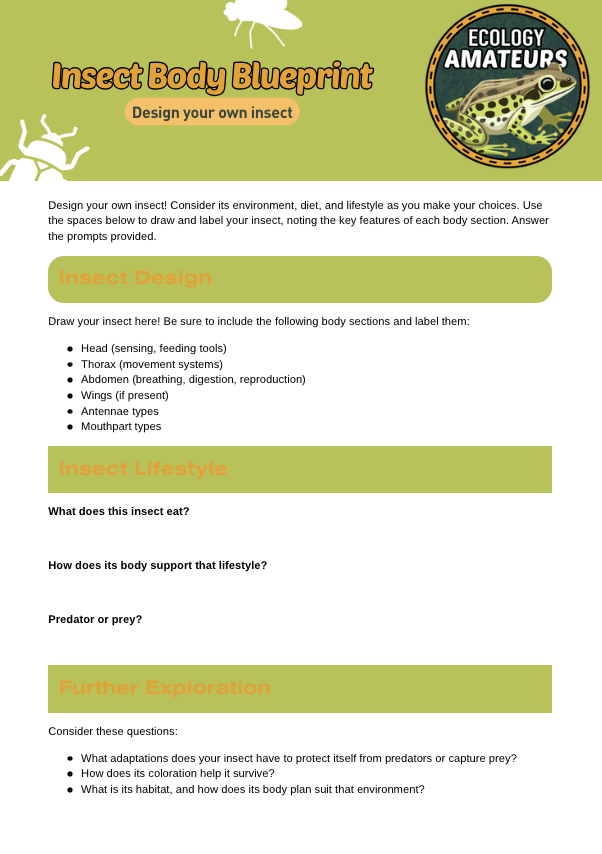
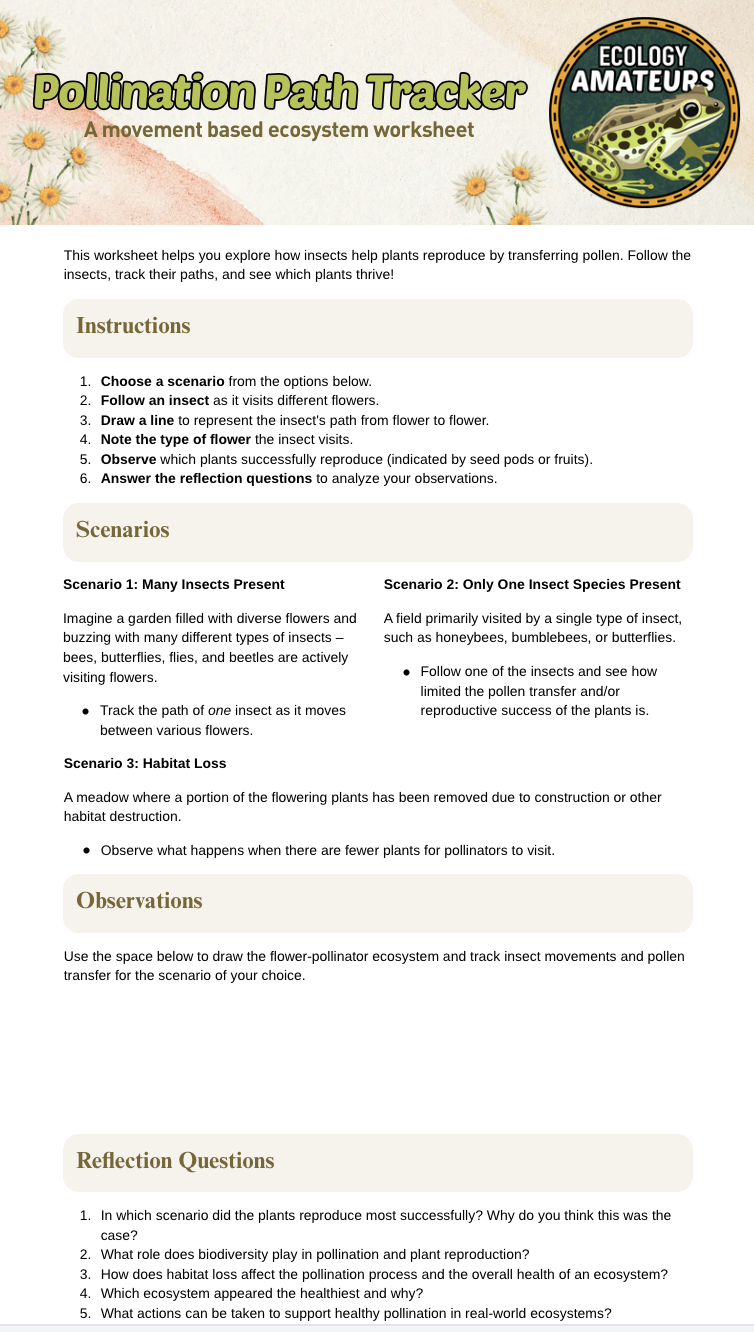
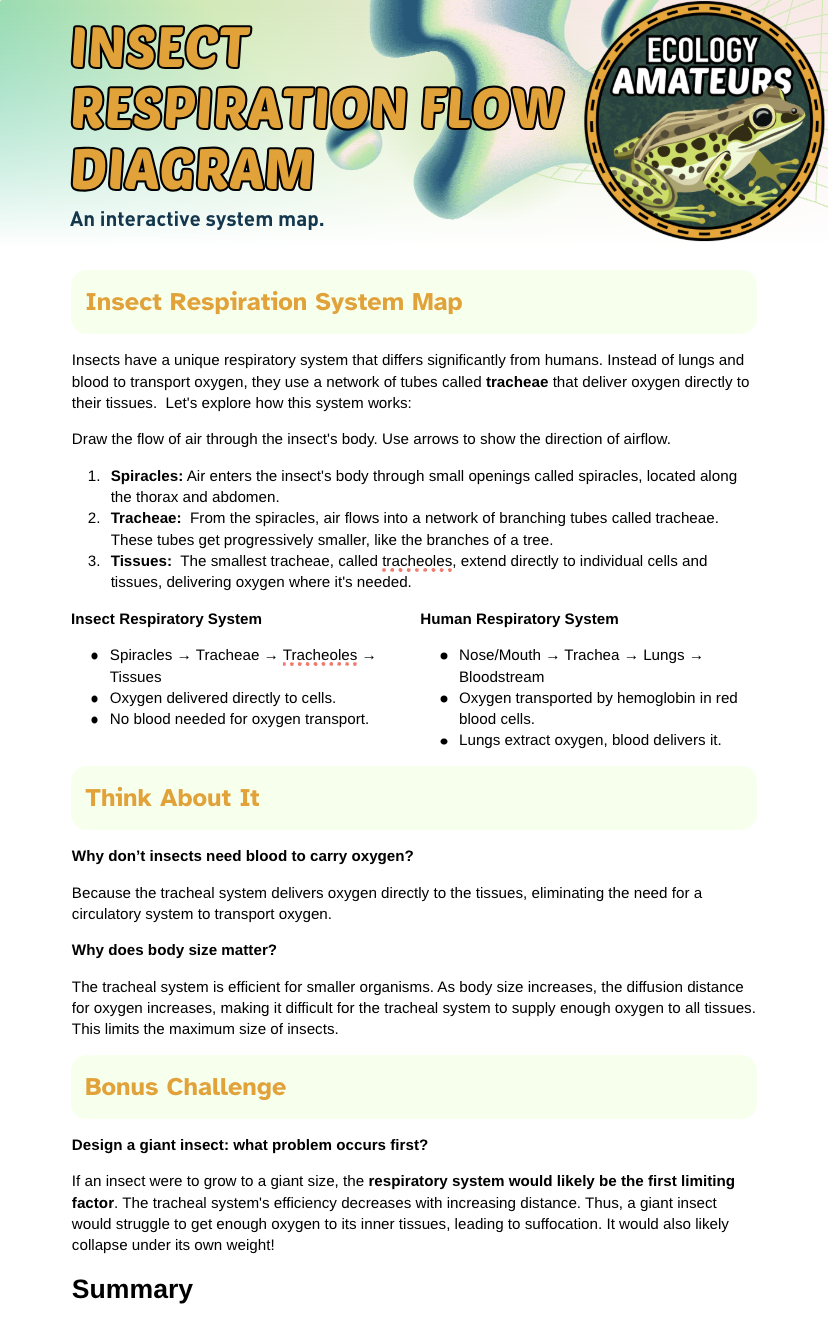
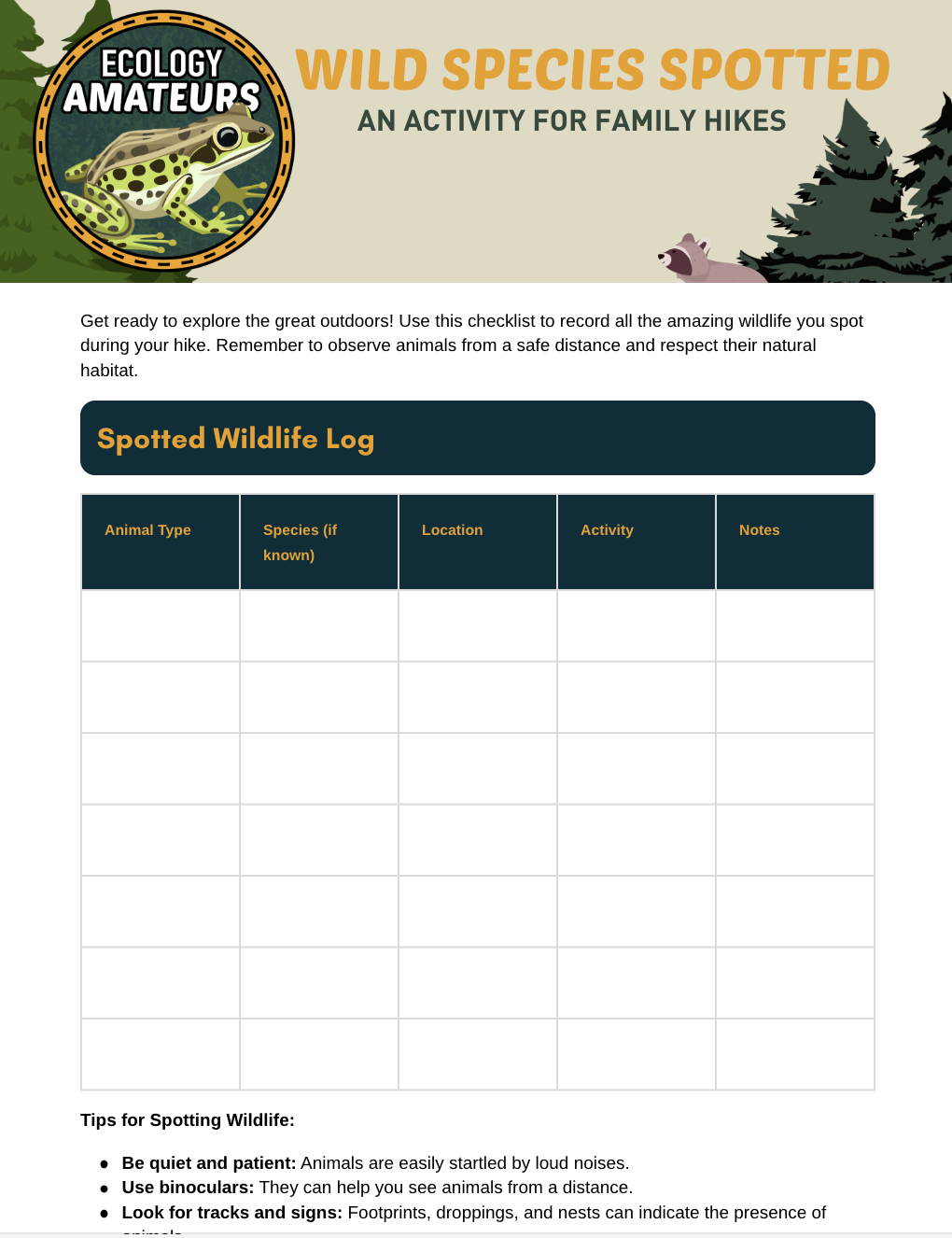
Entomology Field Exploration Sheets
Printable activities designed to help families observe reptiles and amphibians in nature, understand their behaviors, and build real ecology skills because the best learning happens outside!

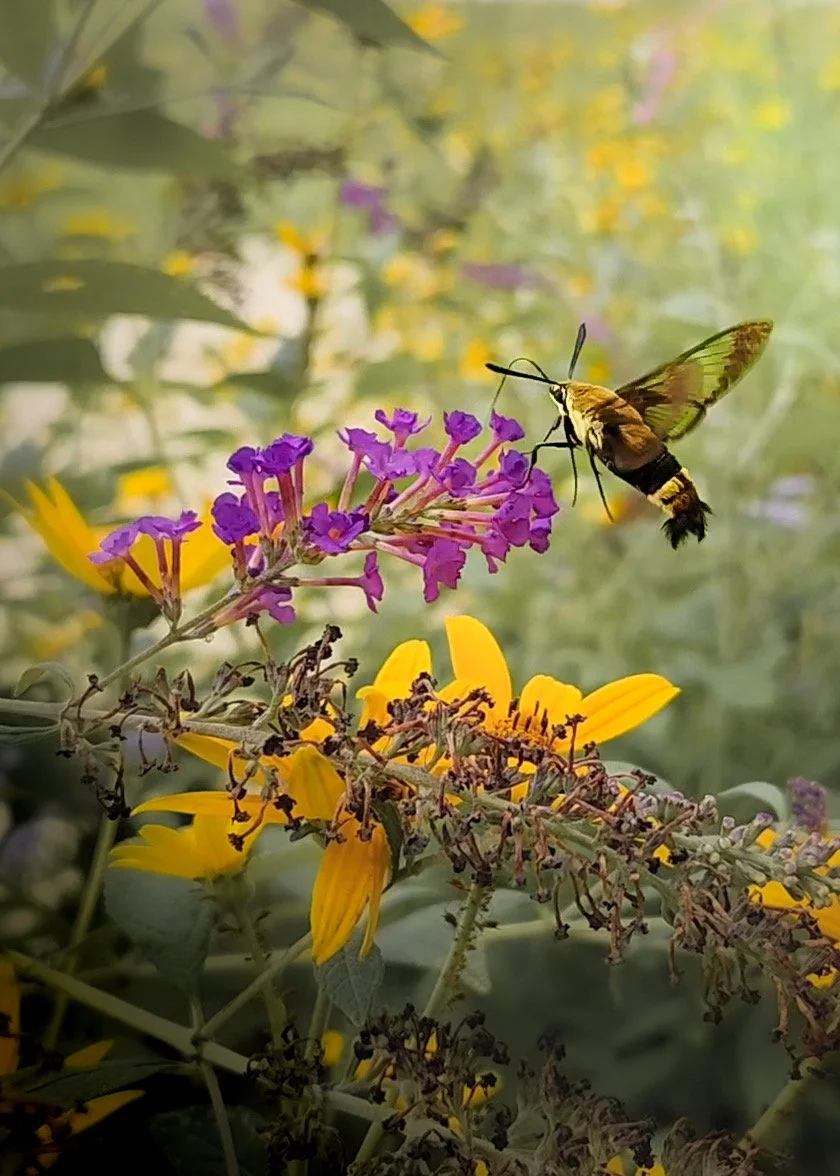
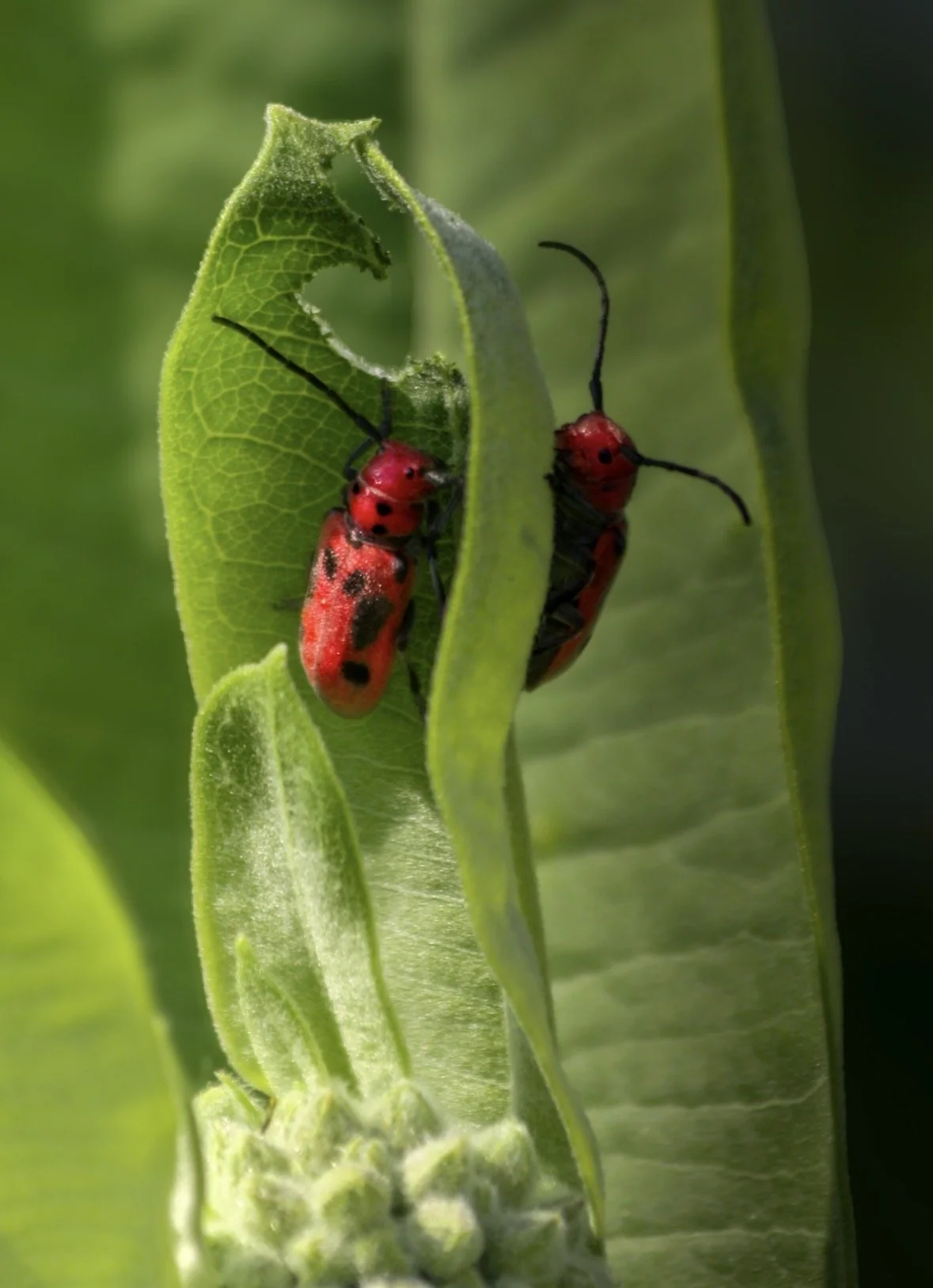
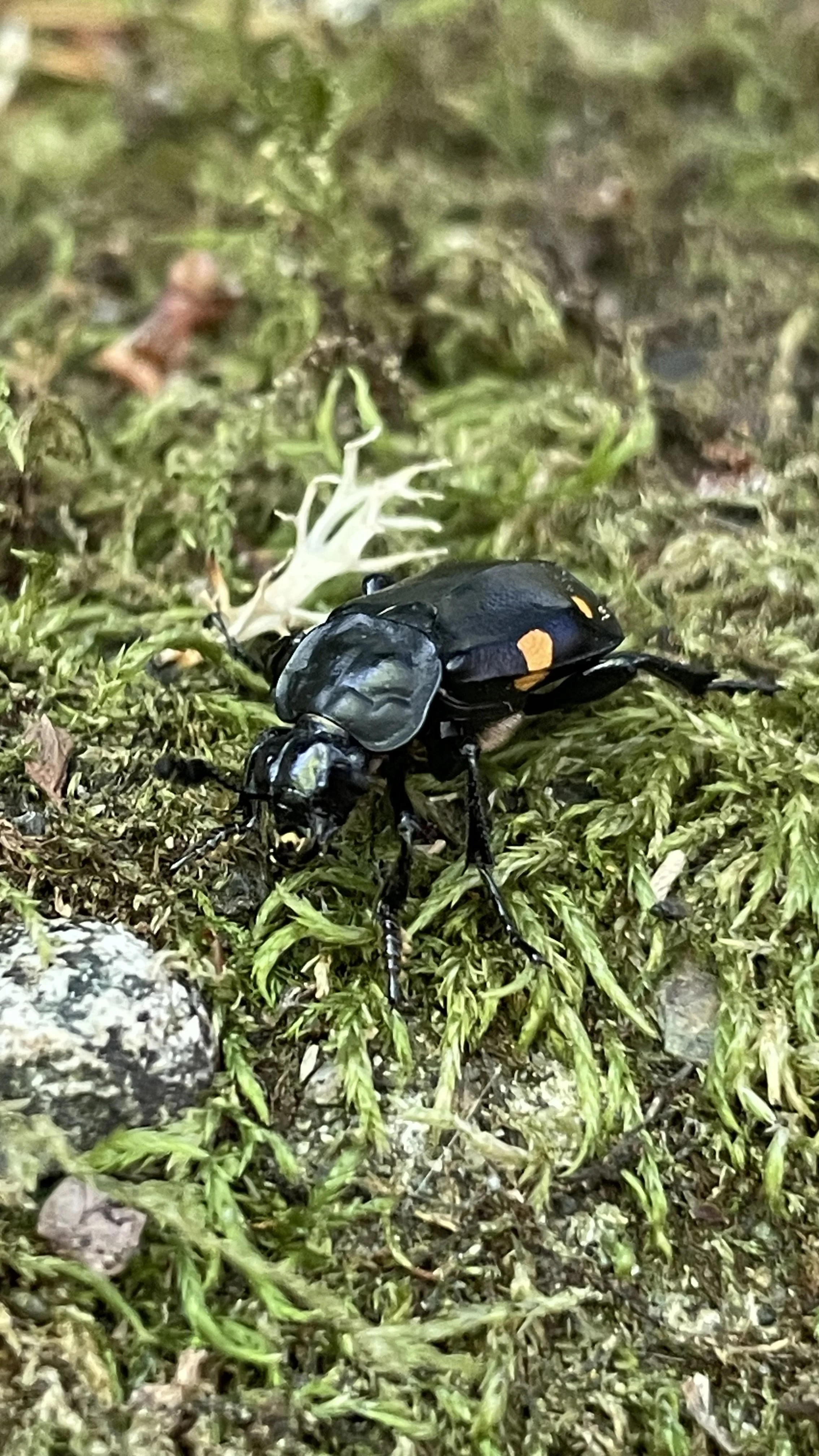
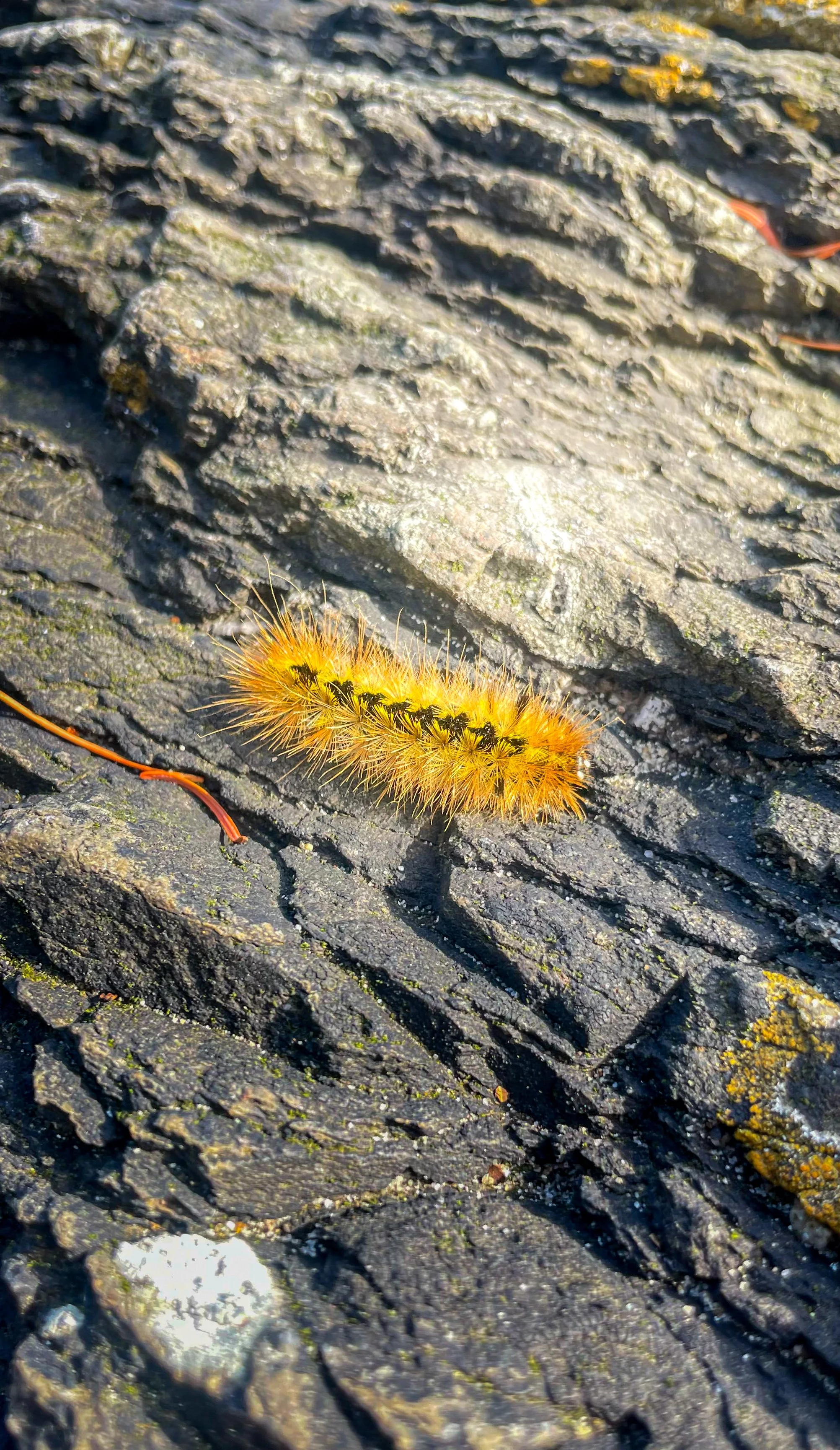
Can you identify the 5 species below?