

The Beetle Body Plan
Built for Survival and Specialization
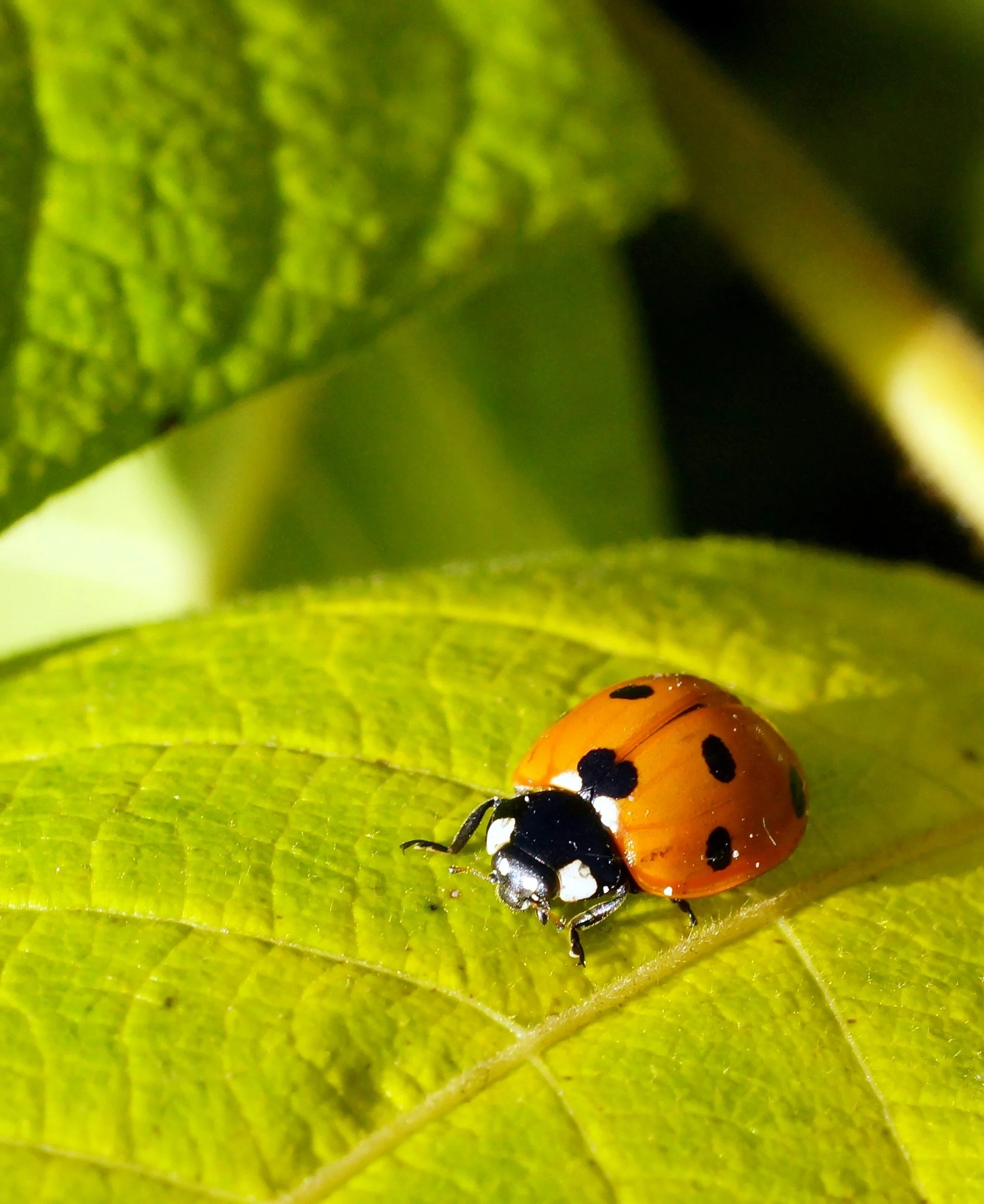
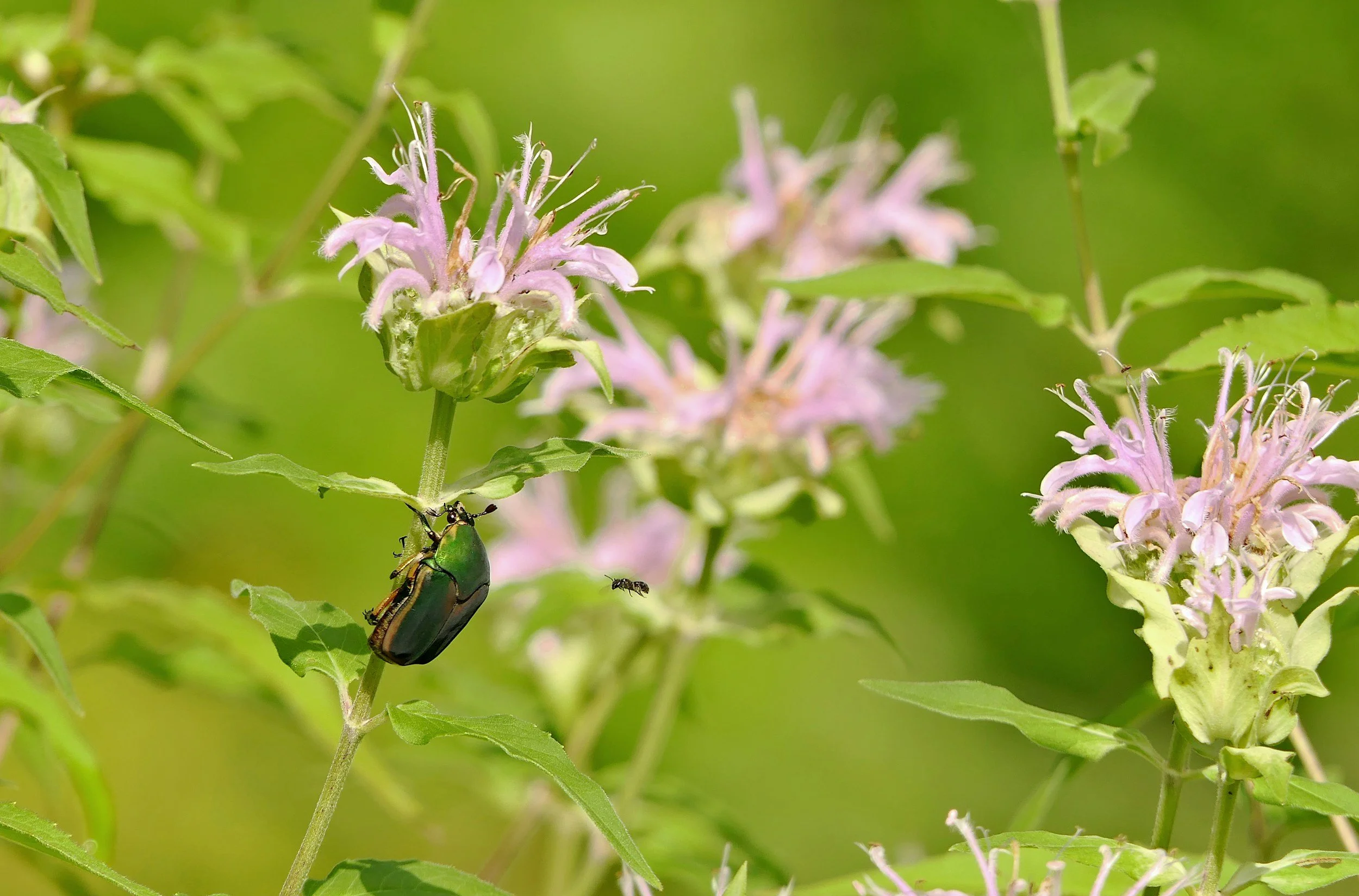
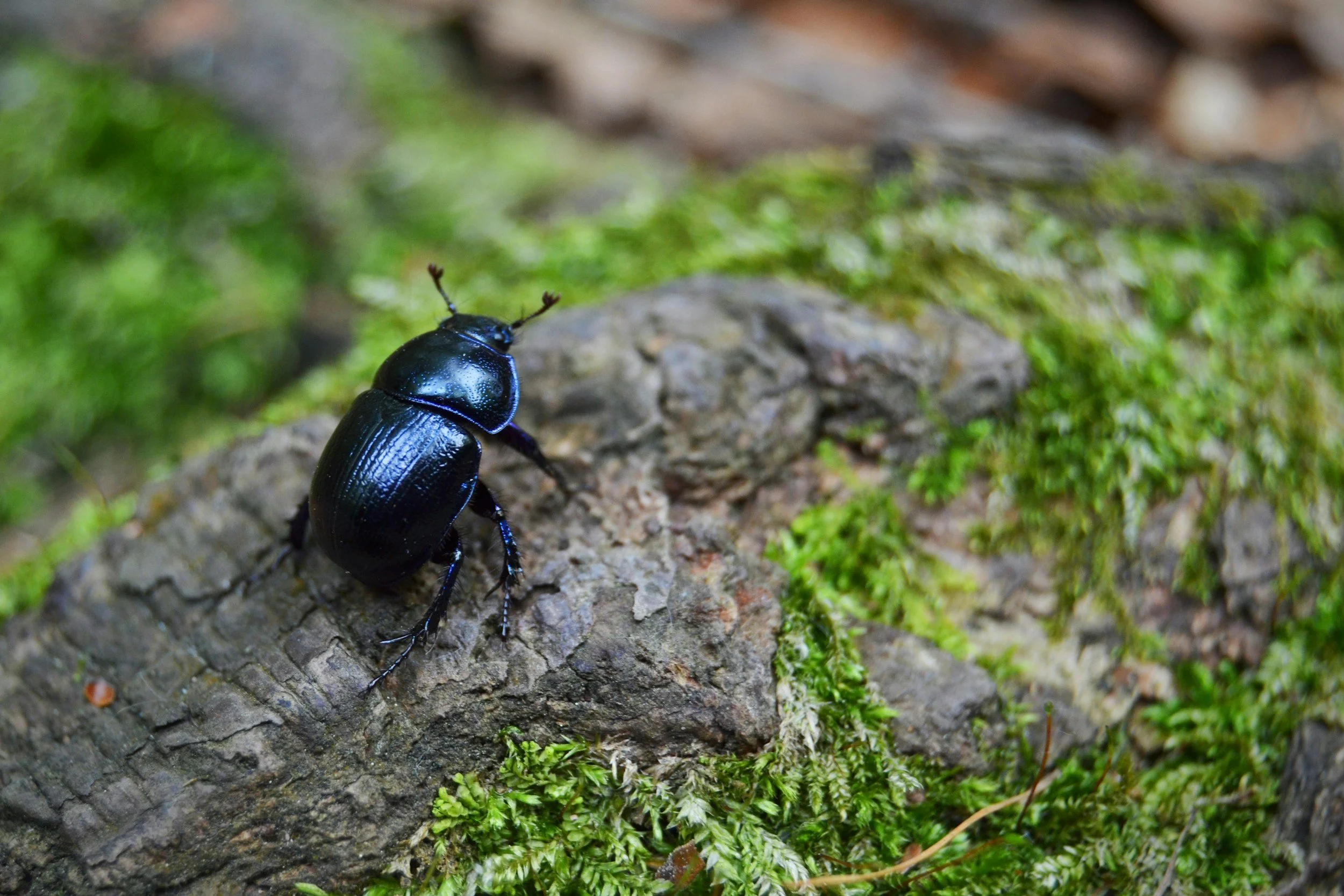
Like all insects, beetles have three main regions: Head – Thorax – Abdomen, But what makes beetles special is how each part is reinforced, modified, and optimized.
Let’s break it down.
Head: Sensory Processing & Feeding Powerhouse
The beetle head is designed to interpret the environment and process food efficiently.
Antennae
These are packed with sensory receptors that detect:
• chemical smells (pheromones, food, predators)
• humidity
• air movement
• sometimes sound vibrations
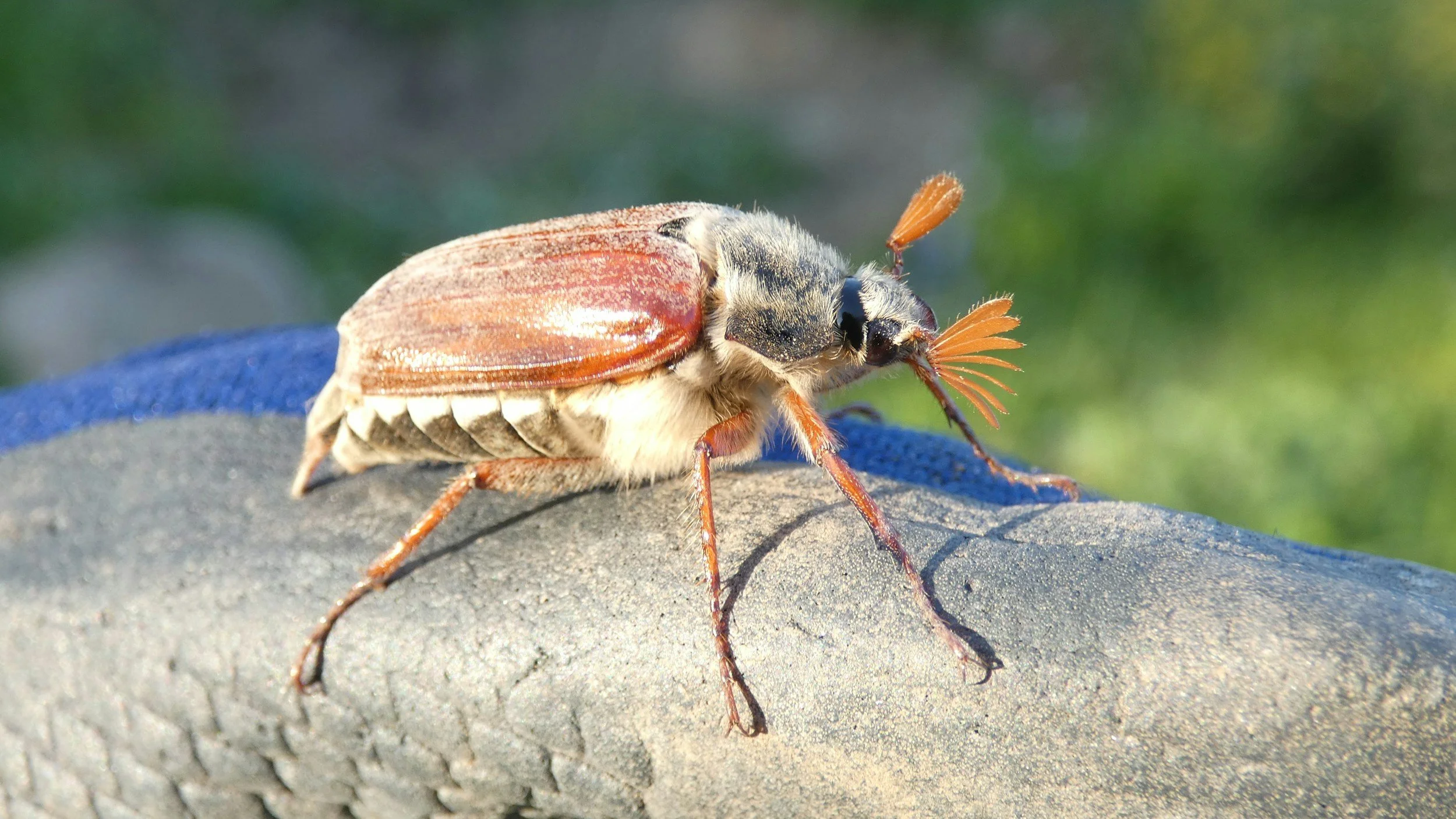
Different beetles have wildly different antenna shapes depending on lifestyle:
Feathered for detecting scent plumes
Clubbed for close range sensing
Threadlike for general navigation
In many species, males have exaggerated antennae for finding mates.
Compound Eyes
Beetle eyes are made of hundreds to thousands of tiny lenses.
They excel at:
• detecting motion
• navigating complex environments
• seeing across wide visual fields
Some nocturnal beetles have larger lenses for low light.
Burrowing species may have reduced eyes entirely.
Mandibles (Jaws)
This is where beetles really shine.
Mandibles are hardened, powerful, and shaped for specific diets:
• sharp for predators
• crushing for seeds
• slicing for leaves
• drilling for wood
Stag beetles even evolved mandibles into massive weapons for male combat.
Mandibles allowed beetles to exploit nearly every food source imaginable.
Thorax: The Engine Room
The thorax is where movement happens.
It’s divided into three segments, each bearing a pair of legs (and sometimes wings).
Legs: Built for Function
Beetle legs vary dramatically by lifestyle:
Running beetles have long slender legs
Digging beetles have shovel like forelegs
Swimming beetles have flattened paddle legs
Climbing beetles have gripping claws
This flexibility allowed beetles to invade every habitat.
Wings & Elytra (The Secret to Beetle Success)
This is one of the most important evolutionary innovations in insects.
Beetles have:
• Hind wings for flight
• Forewings modified into hardened covers called elytra
The elytra:
✔ Protect delicate flying wings
✔ Shield the abdomen from predators and dehydration
✔ Allow beetles to crawl through soil, bark, and leaf litter without injury
When flying, beetles lift the elytra and unfold the hidden wings underneath.
This armor + mobility combo is a huge reason beetles diversified so massively.
Abdomen: Digestion, Breathing, Reproduction
The abdomen contains:
• digestive system
• reproductive organs
• much of the tracheal breathing system
Along the sides are spiracles, allowing oxygen to flow directly into body tissues.
Some beetles also store defensive chemicals here.
Bombardier beetles, for example, can eject boiling hot chemical sprays from abdominal glands to deter predators.
Exoskeleton: Nature’s Body Armor
The entire beetle body is wrapped in a hardened chitin exoskeleton.
This provides:
• physical protection
• water retention (crucial for dry habitats)
• muscle attachment for powerful movement
The exoskeleton is especially thick in beetles compared to most insects.
It’s why they feel like little tanks.
Why This Anatomy Made Beetles So Successful
Each major beetle trait opened new ecological doors:
Elytra = protection + habitat invasion
Mandible diversity = unlimited food sources
Leg specialization = movement everywhere
Hard exoskeleton = survival in harsh environments
Instead of one body plan trying to do everything moderately well, beetles evolved thousands of specialized solutions.
That’s why they dominate insect biodiversity.
Key Definitions
Coleoptera
The insect order containing all beetles (“sheath wings” referring to elytra).
Elytra
Hardened forewings that protect flight wings and abdomen.
Mandibles
Jaw structures used for cutting, crushing, and grasping food or rivals.
Exoskeleton
Rigid outer body covering made of chitin that provides protection and muscle support.
Spiracles
Openings in the body that allow air into the tracheal respiratory system.
Compound eyes
Eyes made of many small lenses for detecting motion and wide field vision.
Activity: Beetle Anatomy in Real Life
If you can find a dead beetle naturally (or a shed exoskeleton):
Observe:
• Where do the legs attach?
• How thick is the elytra compared to the abdomen?
• Can you see spiracle openings along the sides?
• How are the mandibles shaped?
Then compare to different beetle species online.
Ask:
What lifestyle would this beetle likely have had?
Predator? Digger? Leaf eater? Swimmer?
Optional extension:
Sketch the beetle and label functional parts instead of just naming them.