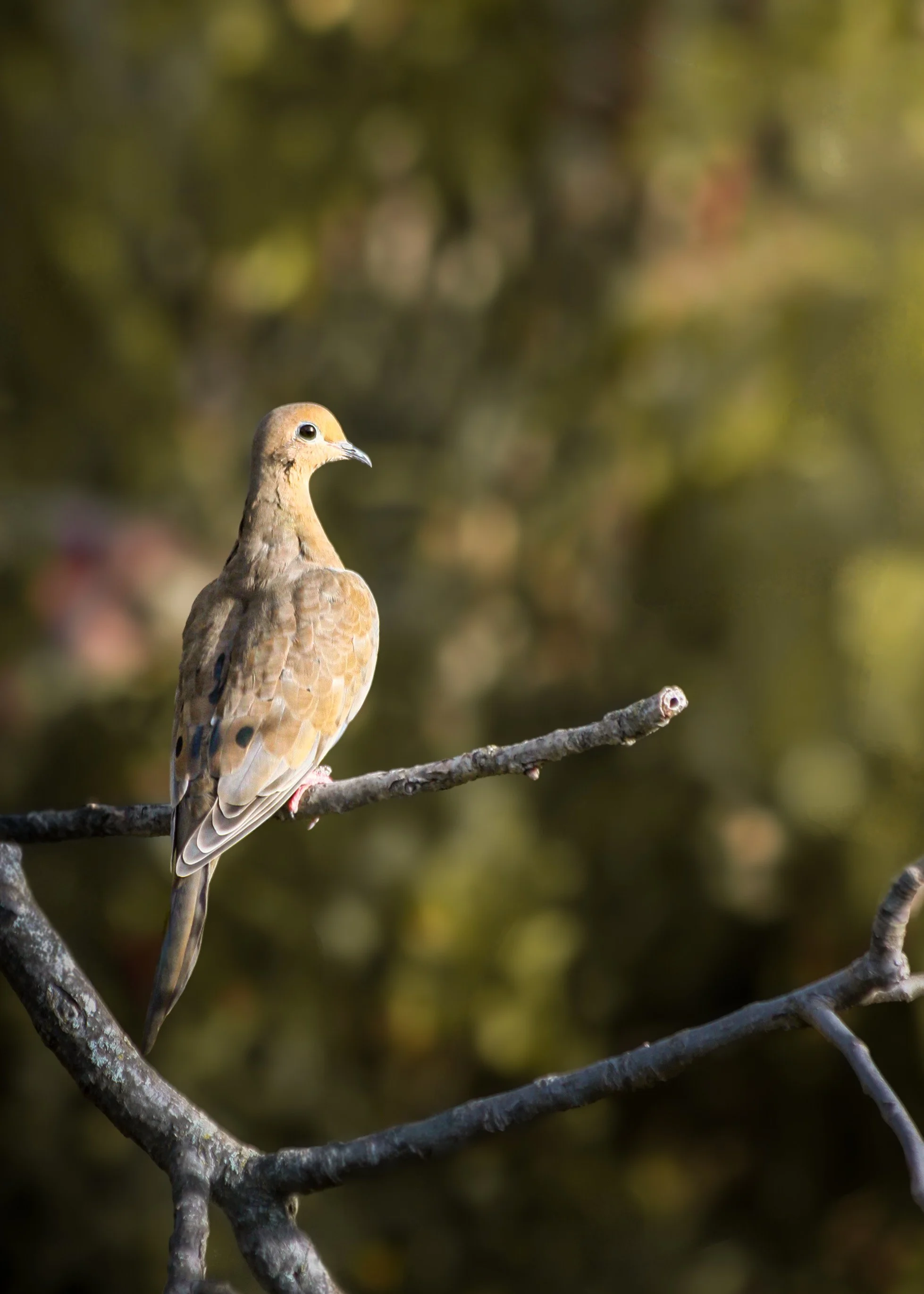
Ornithology:The study of birds and their role in ecosystems
Ornithology explores bird behavior, anatomy, evolution, migration, and conservation, helping scientists and everyday nature lovers alike understand how these animals interact with landscapes, climate, and human activity.

More than just Feathers and Show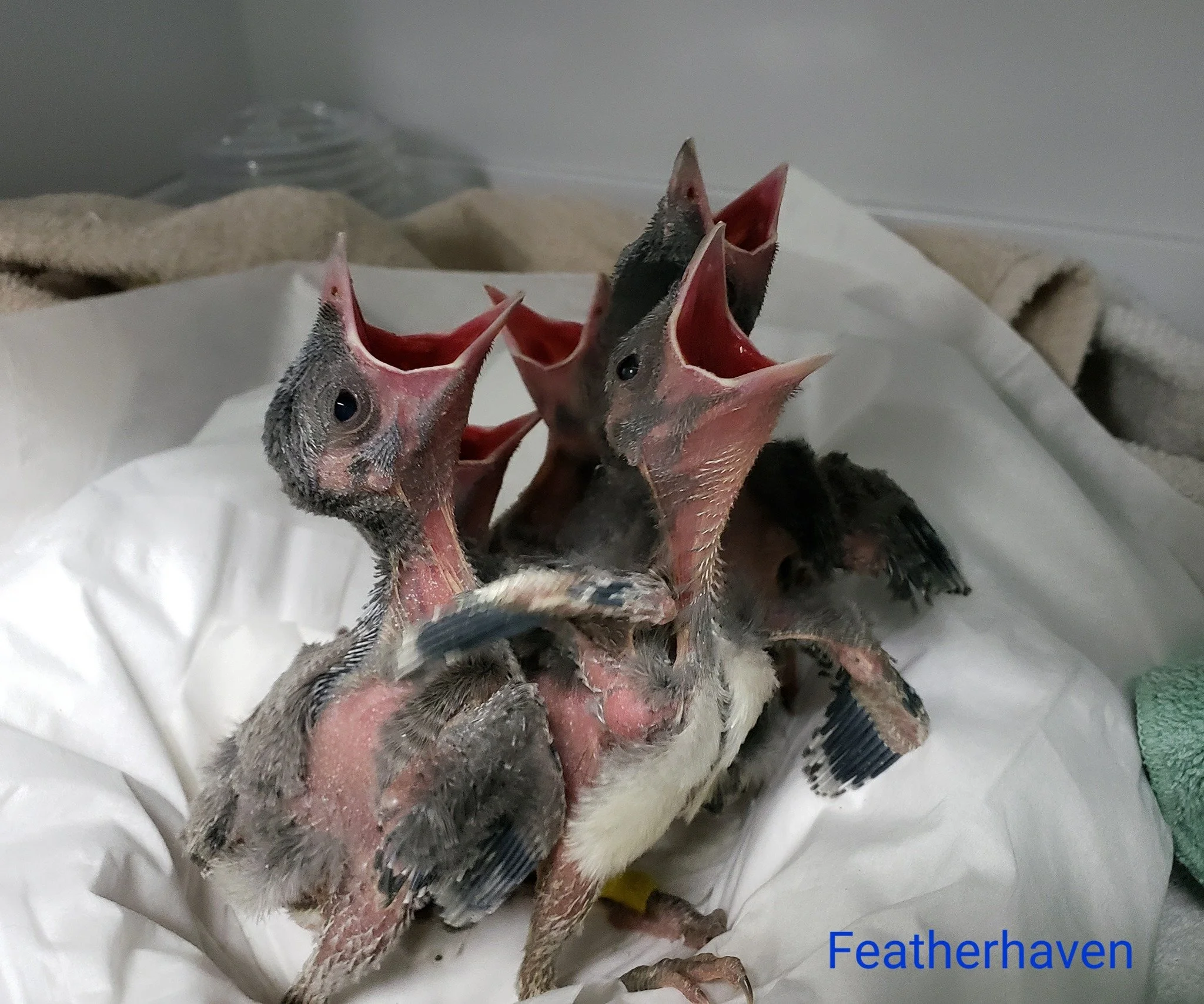
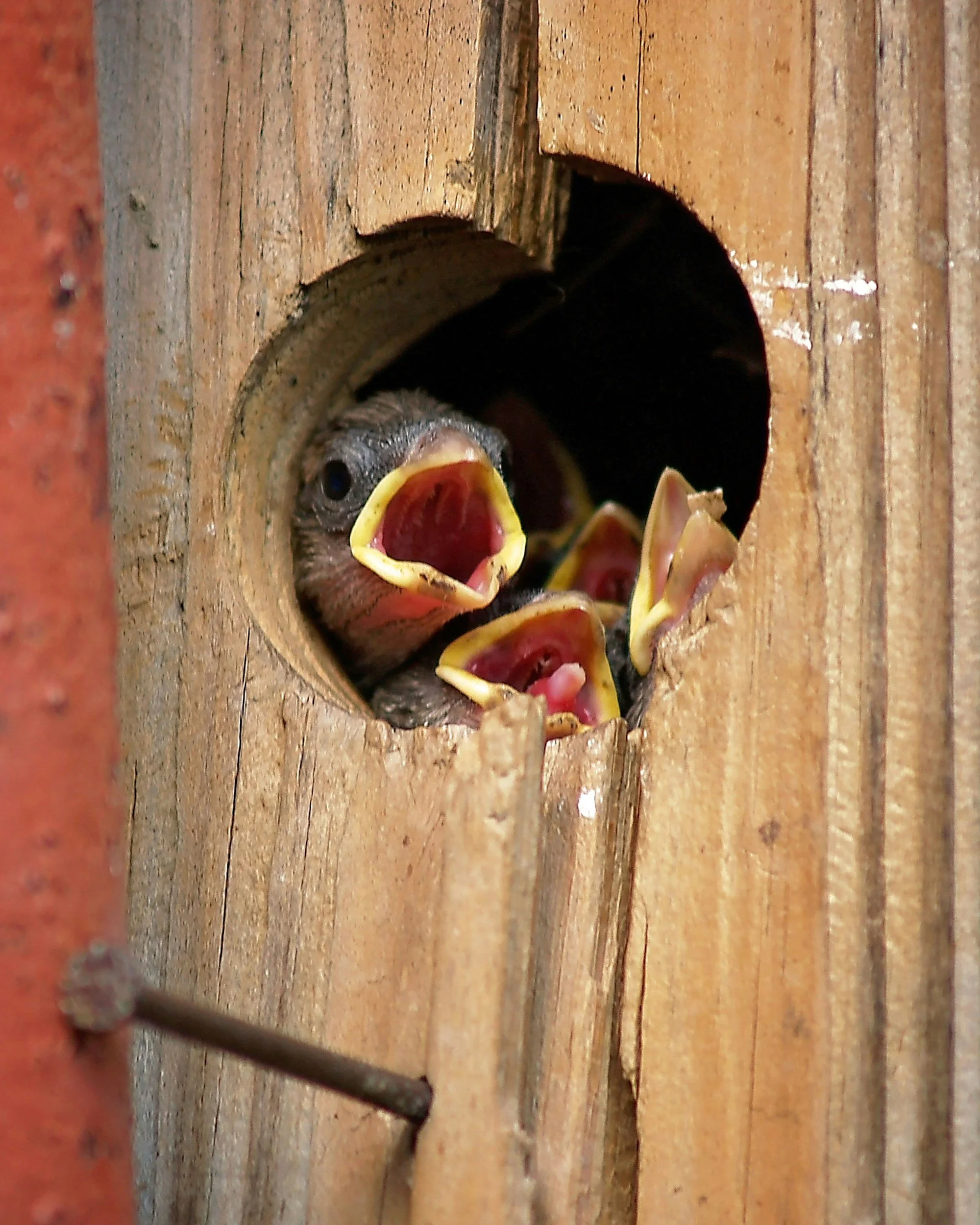
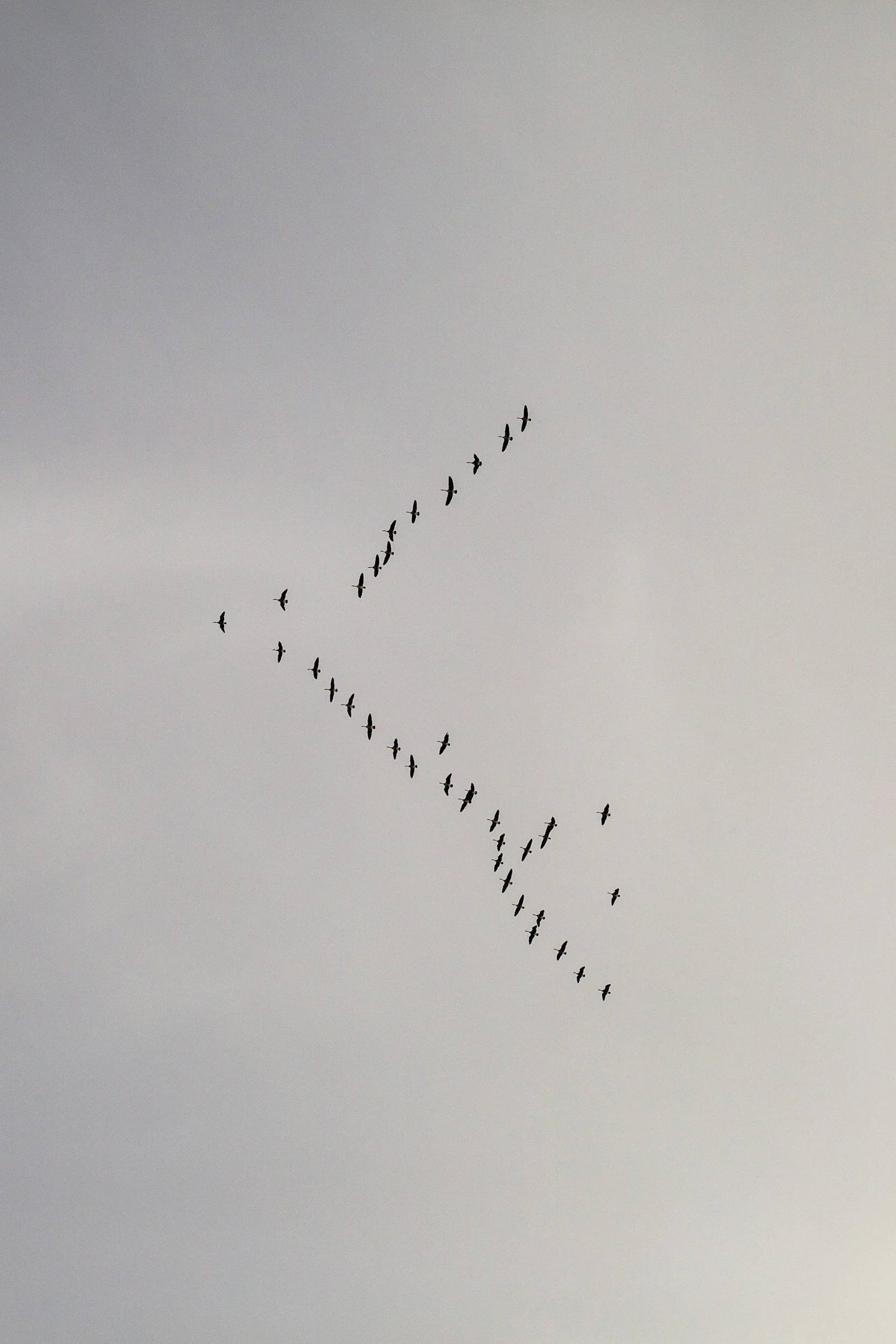
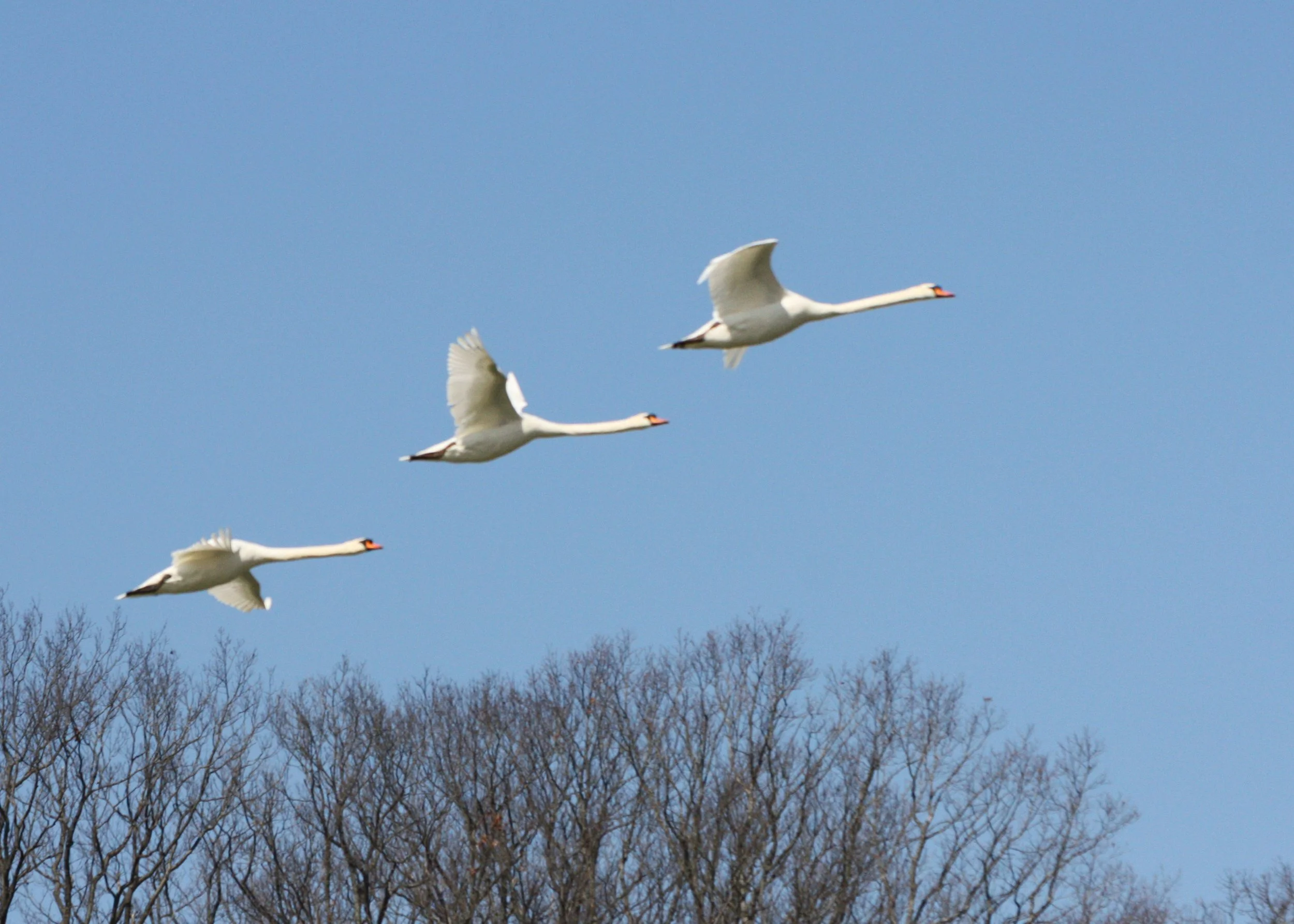

THE ECOSYSTEM MVPs (FEATHERED EDITION)
Birds quietly keep ecosystems balanced in ways we often overlook:
Birds control insect populations, preventing outbreaks that damage forests and crops
Many species spread seeds, helping forests, grasslands, and wetlands regenerate
Scavenging birds clean up carrion, slowing disease spread in the environment
Birds link food webs, feeding predators while regulating prey species
LIGHTWEIGHT BODIES, POWERFUL ADAPTATIONS
For animals built for flight, birds are evolutionary masterpieces.
Some can see ultraviolet patterns on feathers and flowers
Some navigate using Earth’s magnetic field
Some migrate thousands of miles with pinpoint accuracy
Some dive at highway speeds or hover like helicopters
Some mimic sounds, tools, and even human speech
WHY DO SO MANY PEOPLE IGNORE THEIR IMPORTANCE?
Many of us notice birds only as background noise or “just pigeons.”
But birds are some of the most sensitive indicators of ecosystem health.
When bird populations decline, it often signals:
Habitat loss, Pollution, Climate shifts and Food web collapse
The birds we see every day are quietly telling the story of the planet’s wellbeing.
Birds are some of the most visible and influential members of nearly every ecosystem on Earth. From seed dispersers shaping forests, to predators regulating insect populations, to migratory species connecting continents, birds act as ecological indicators that reflect the health of the environments they inhabit. At Ecology Amateurs, ornithology isn’t about memorizing species lists. It’s about noticing patterns, asking questions, and learning how birds tell the story of the places we explore.
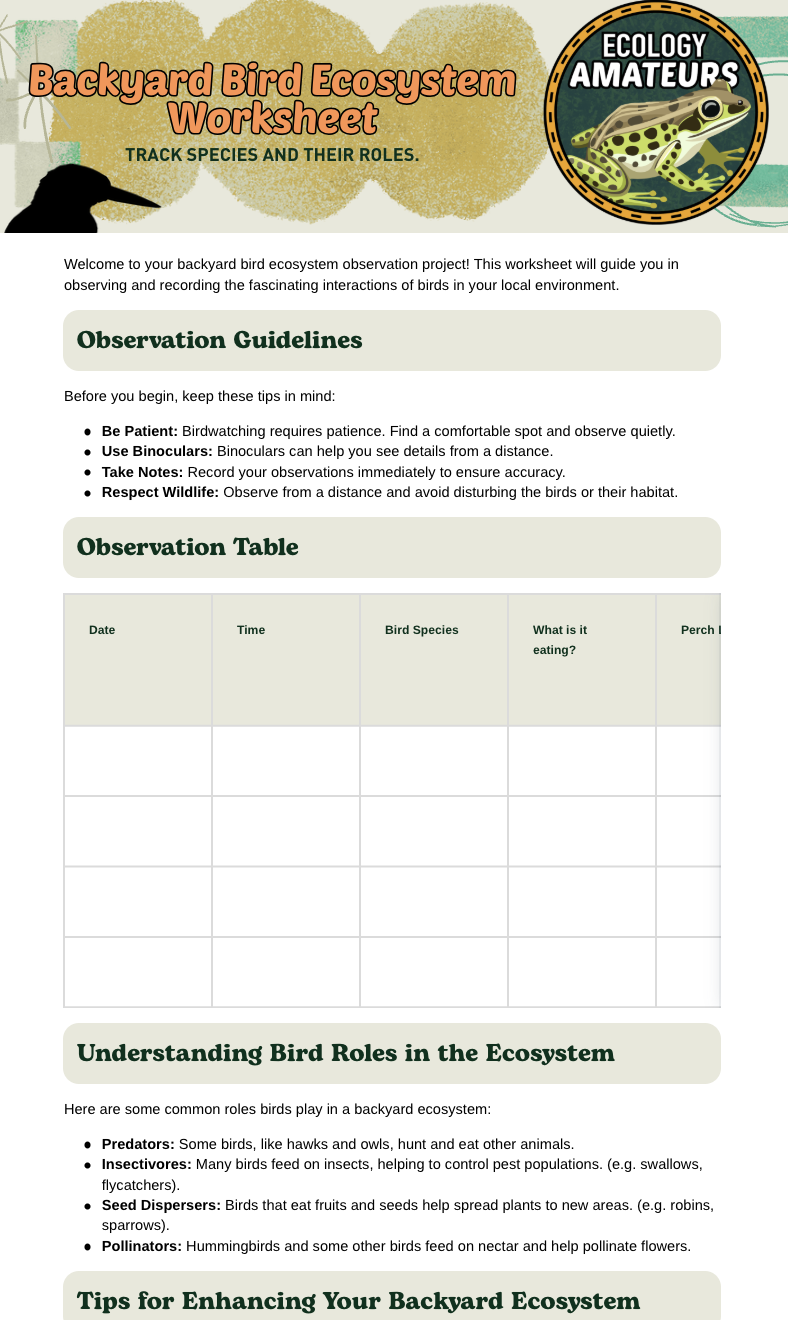
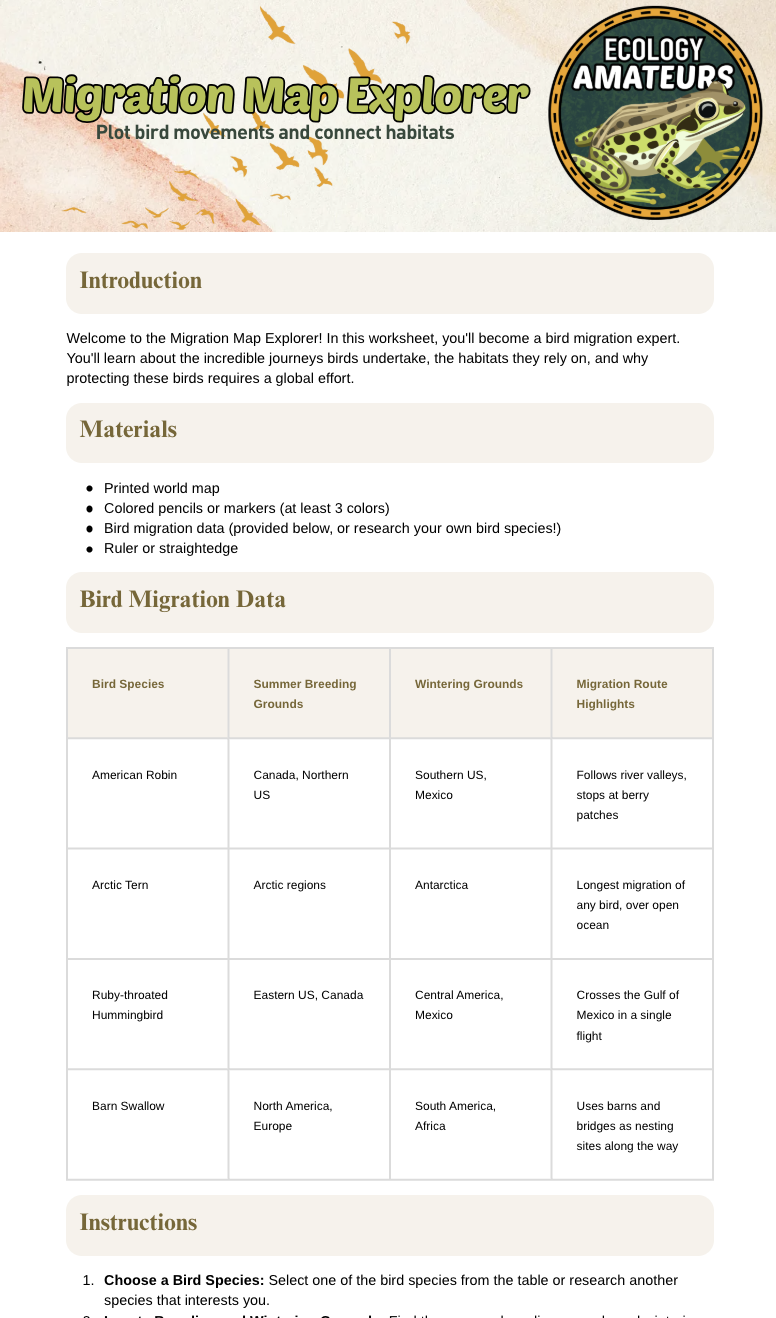
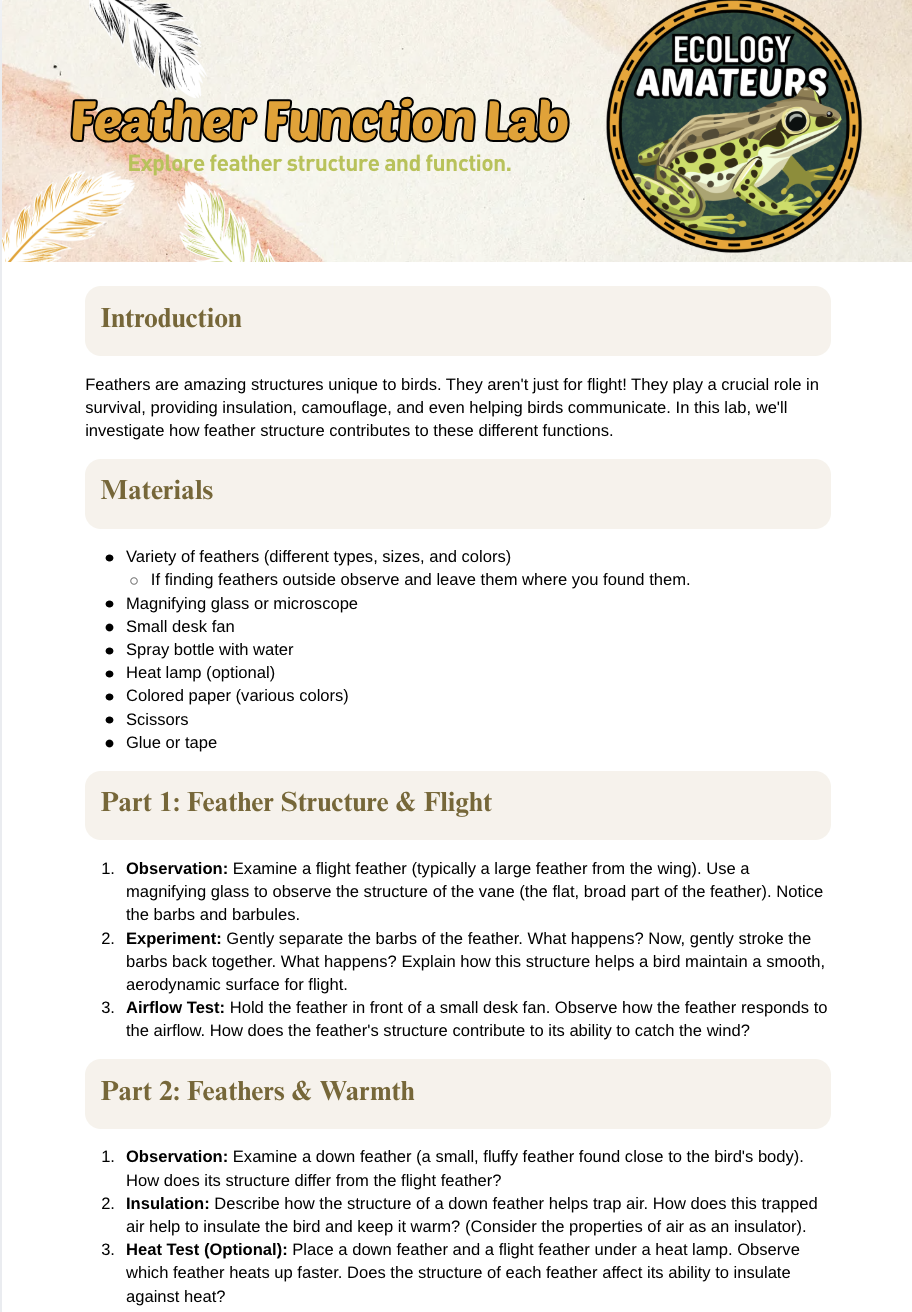
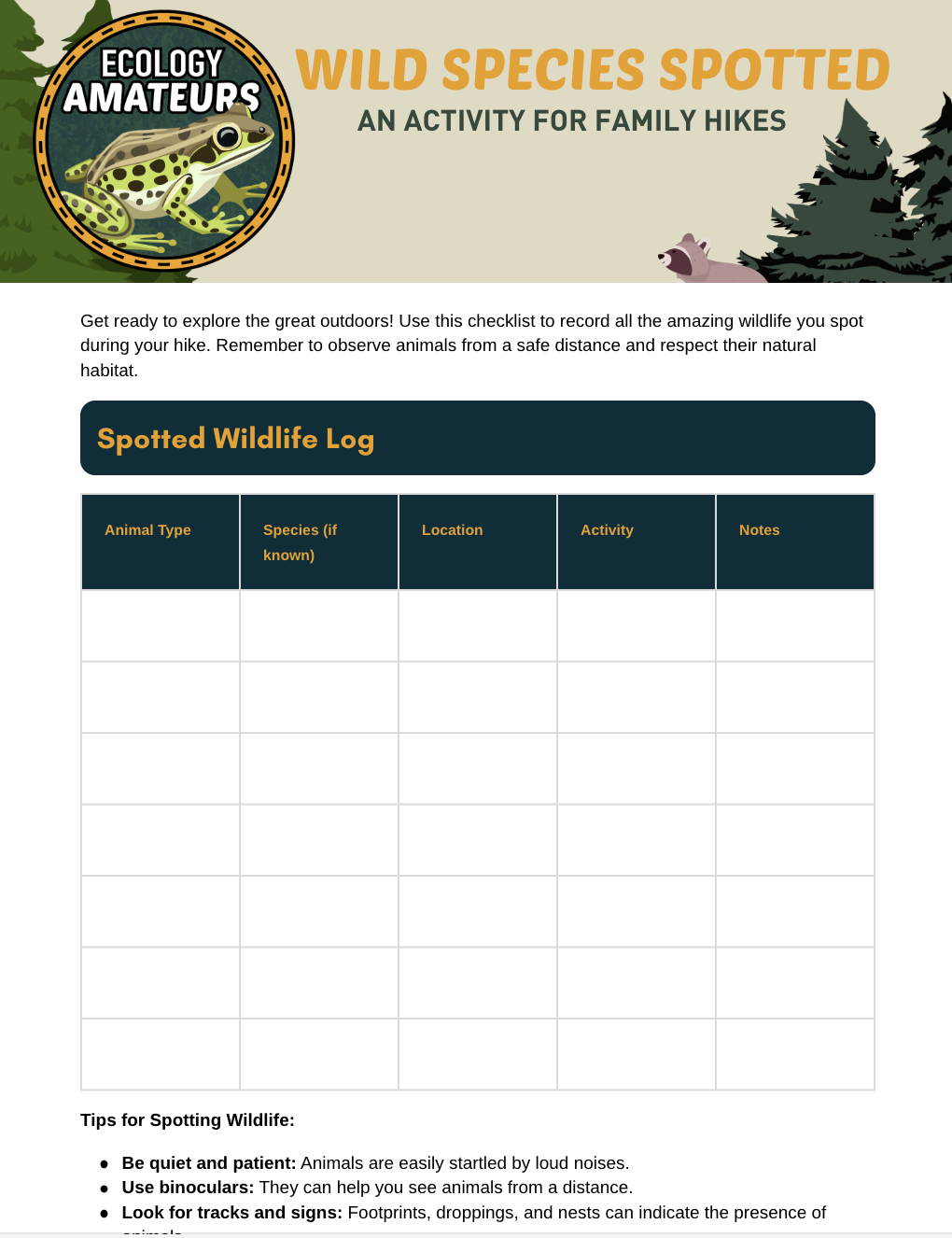
Ornithology Field Sheets
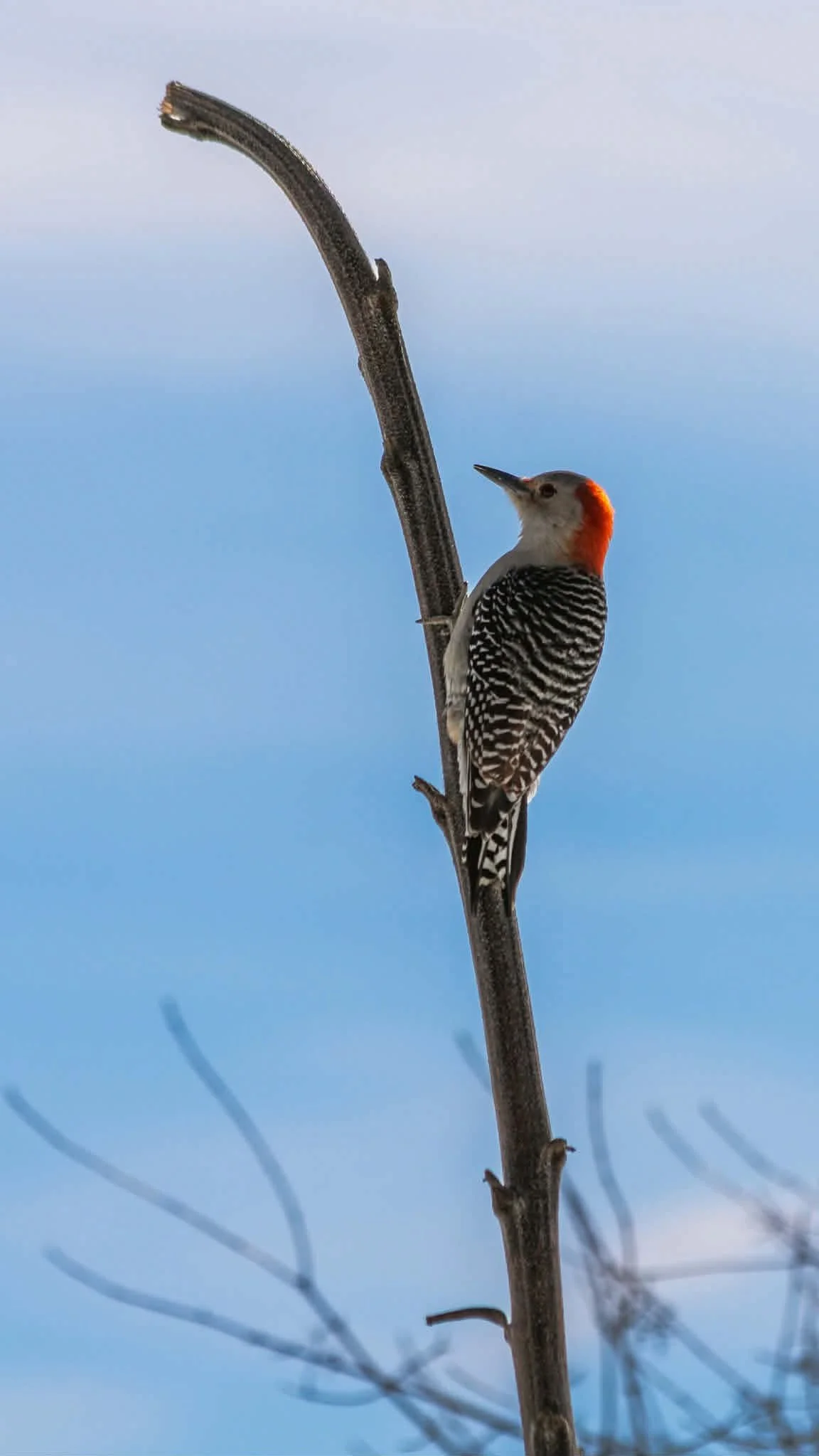
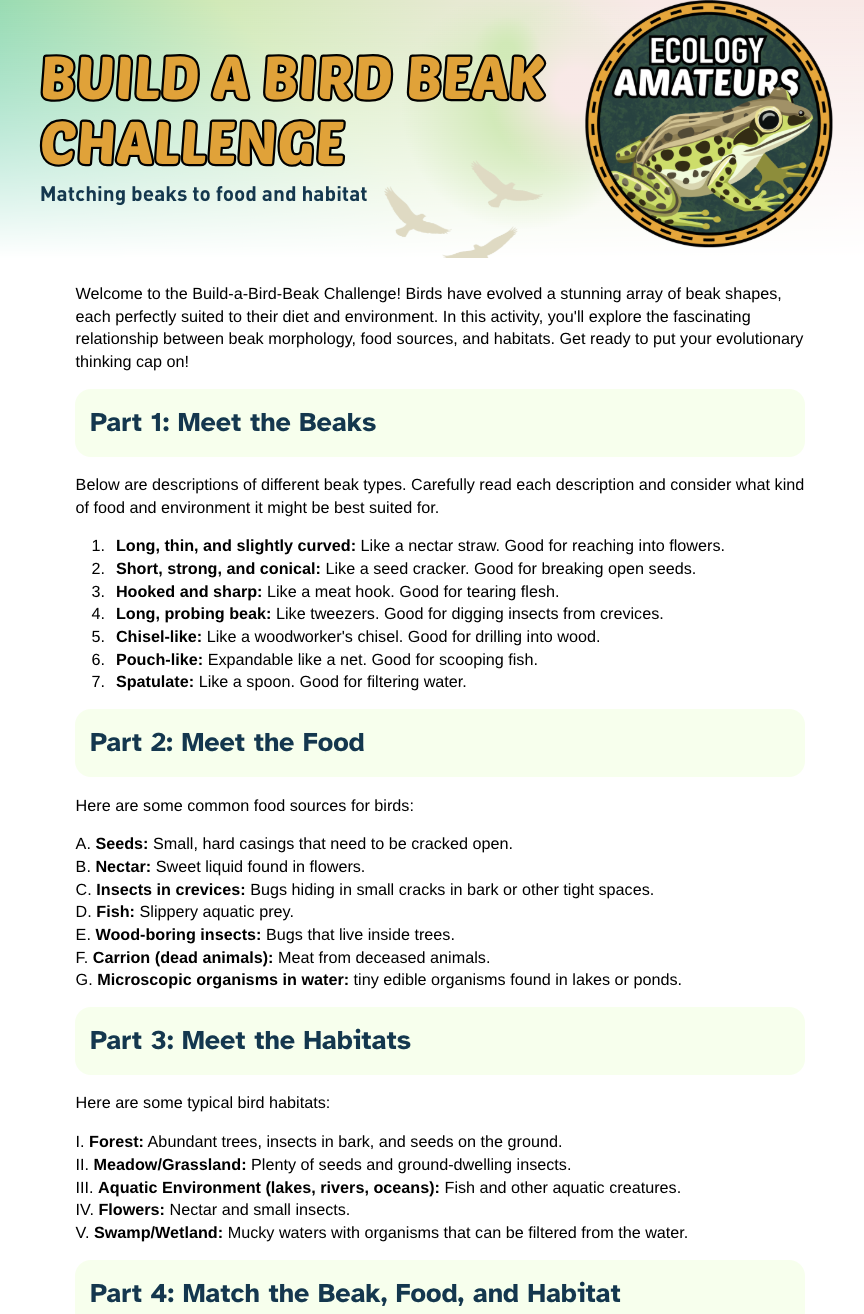

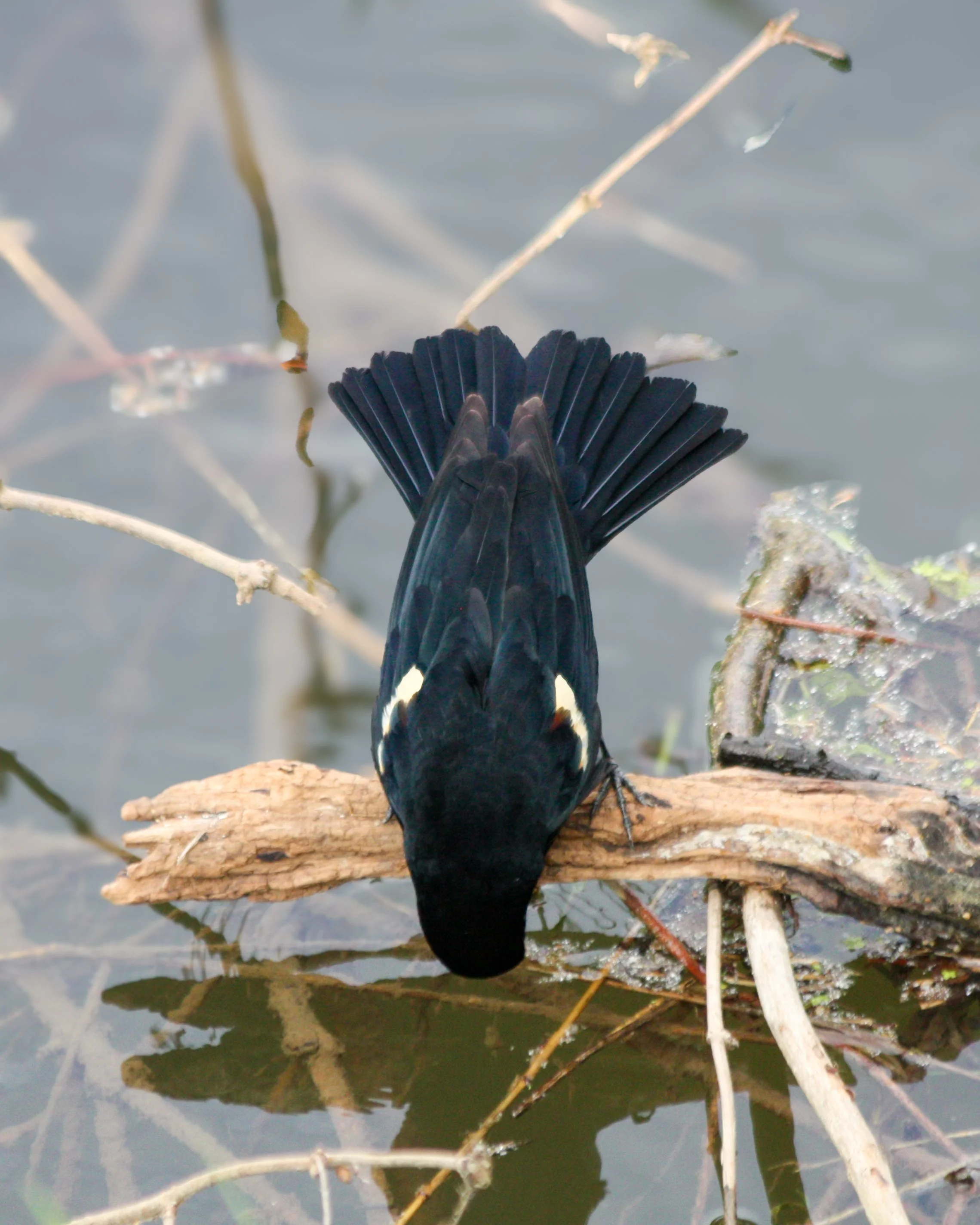
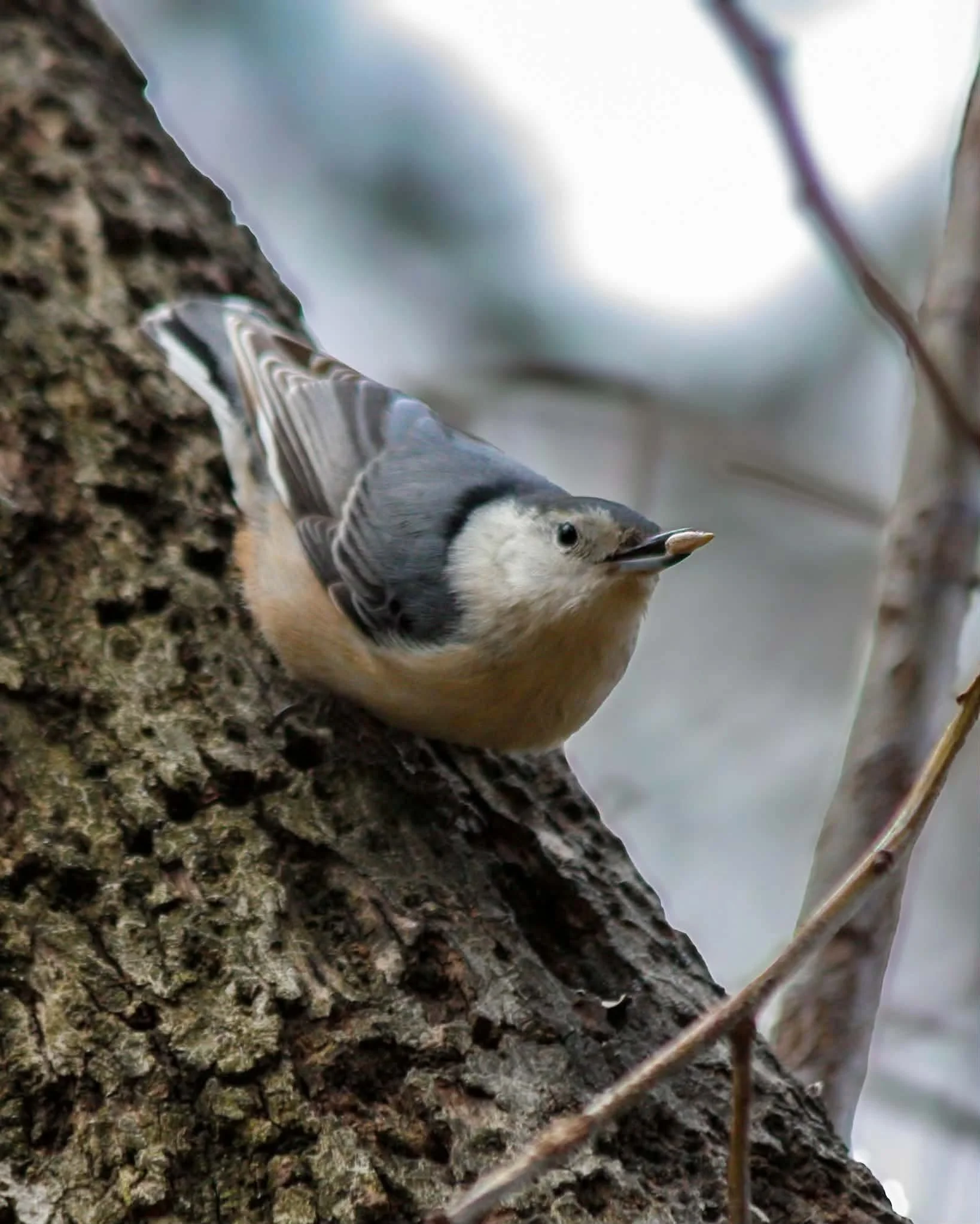
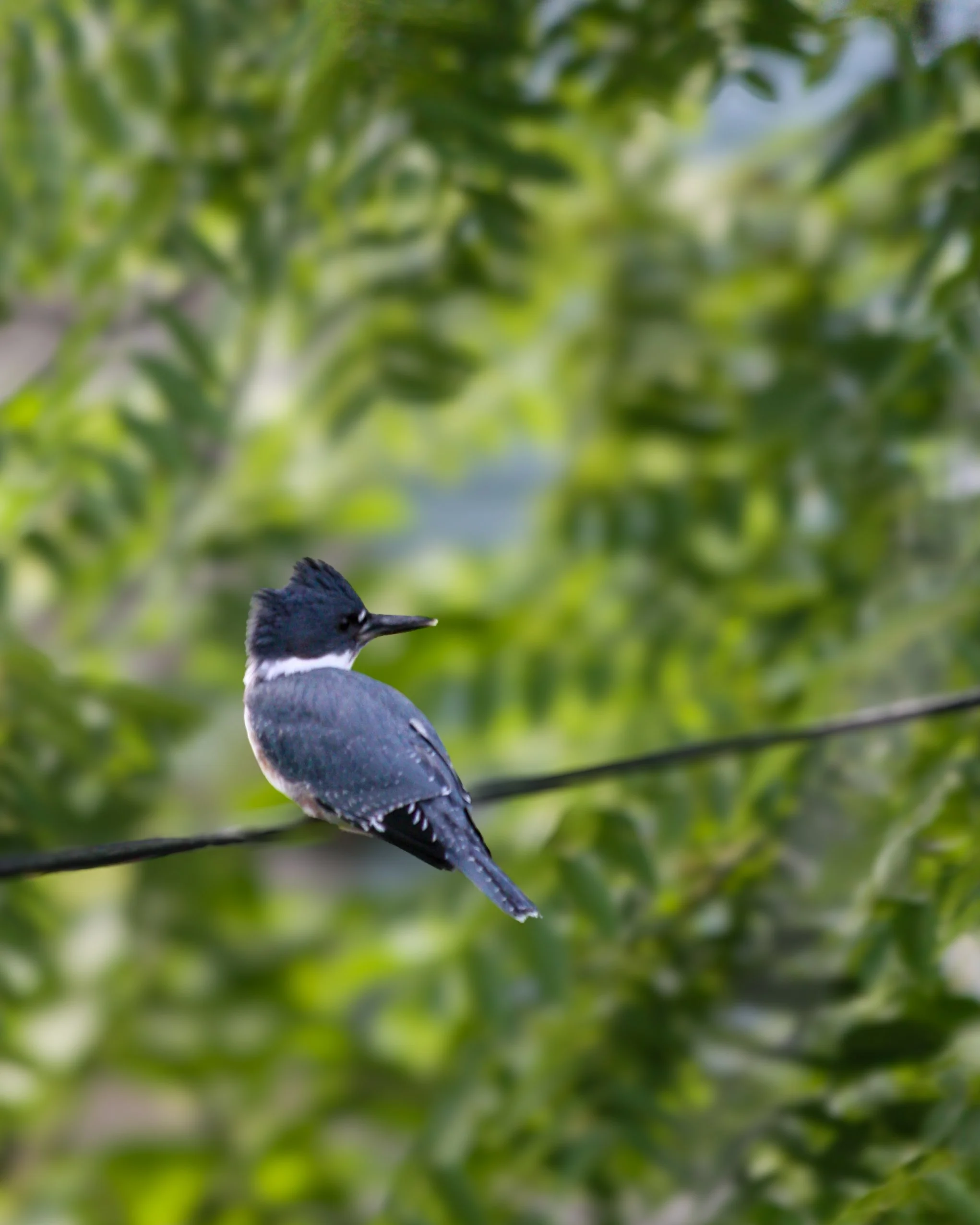
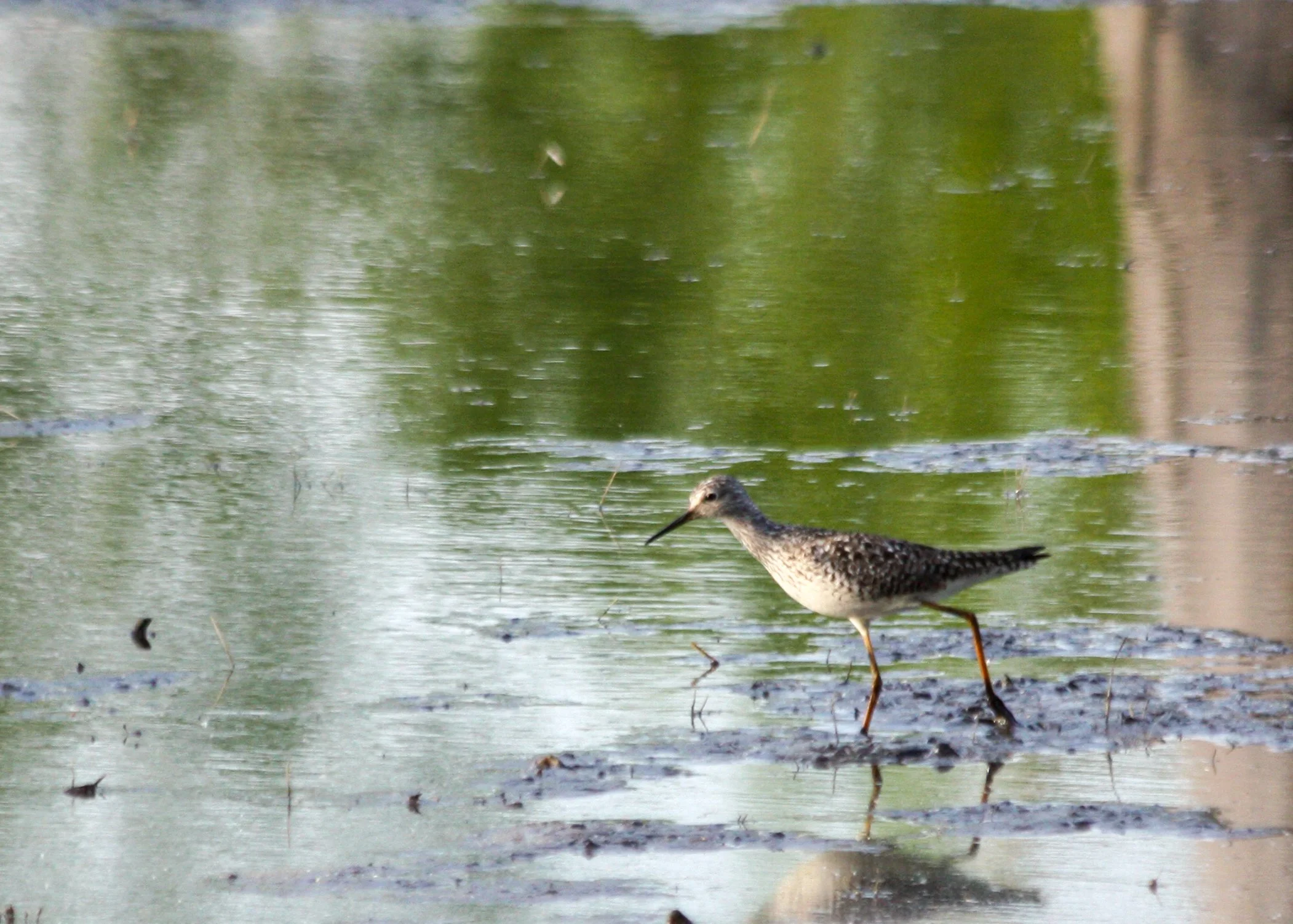
Can you identify the 5 species below?