

How Birds Fly
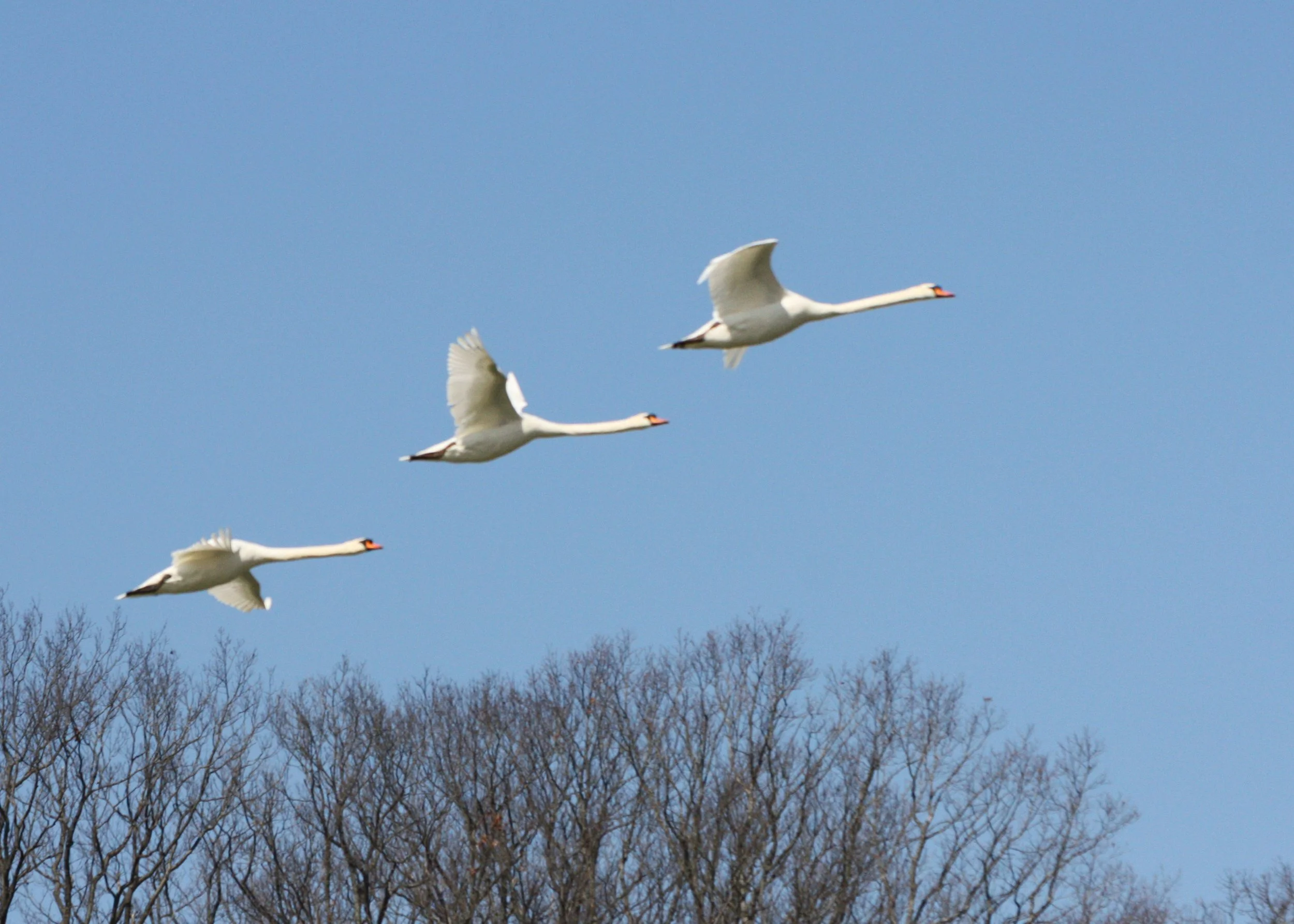
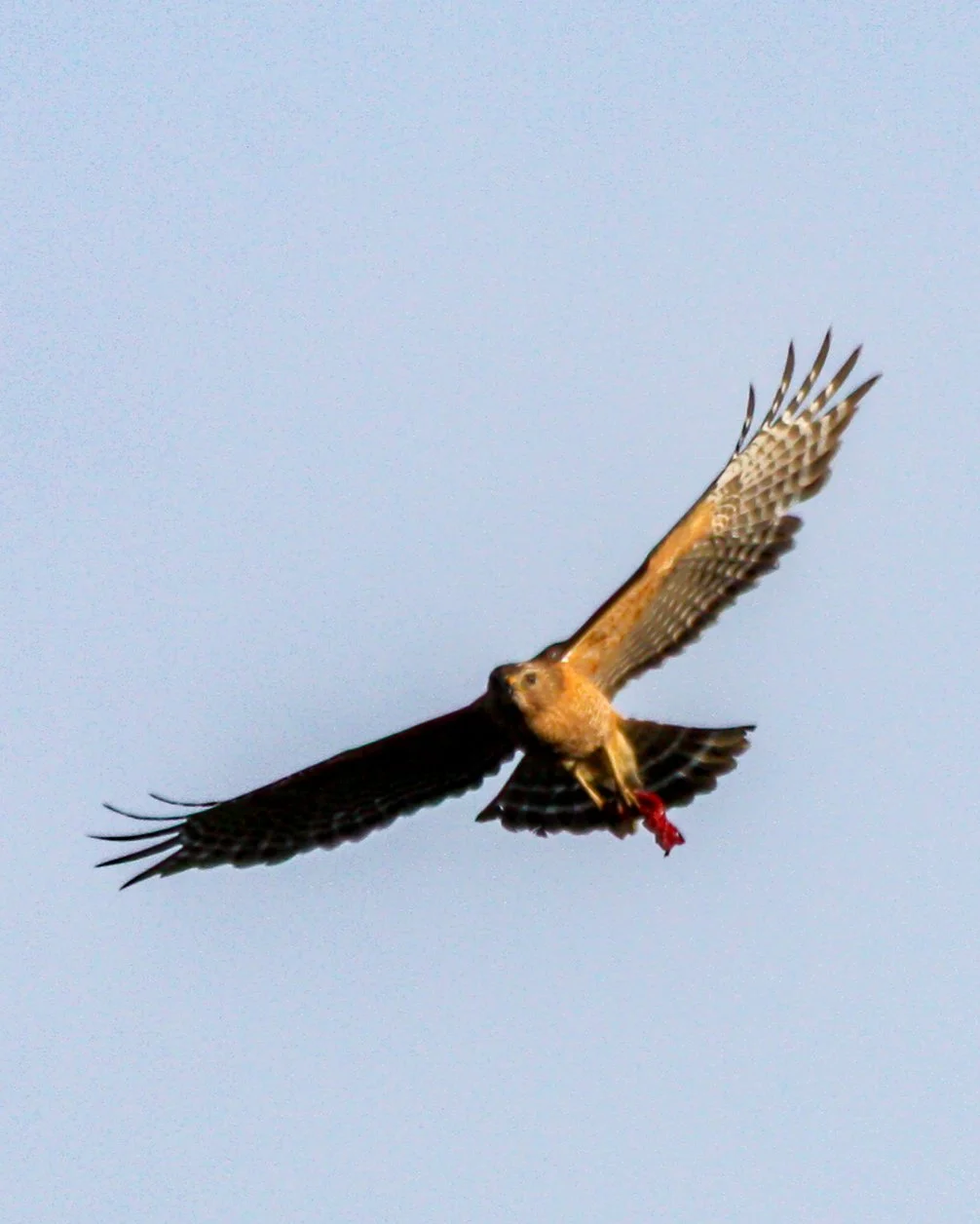
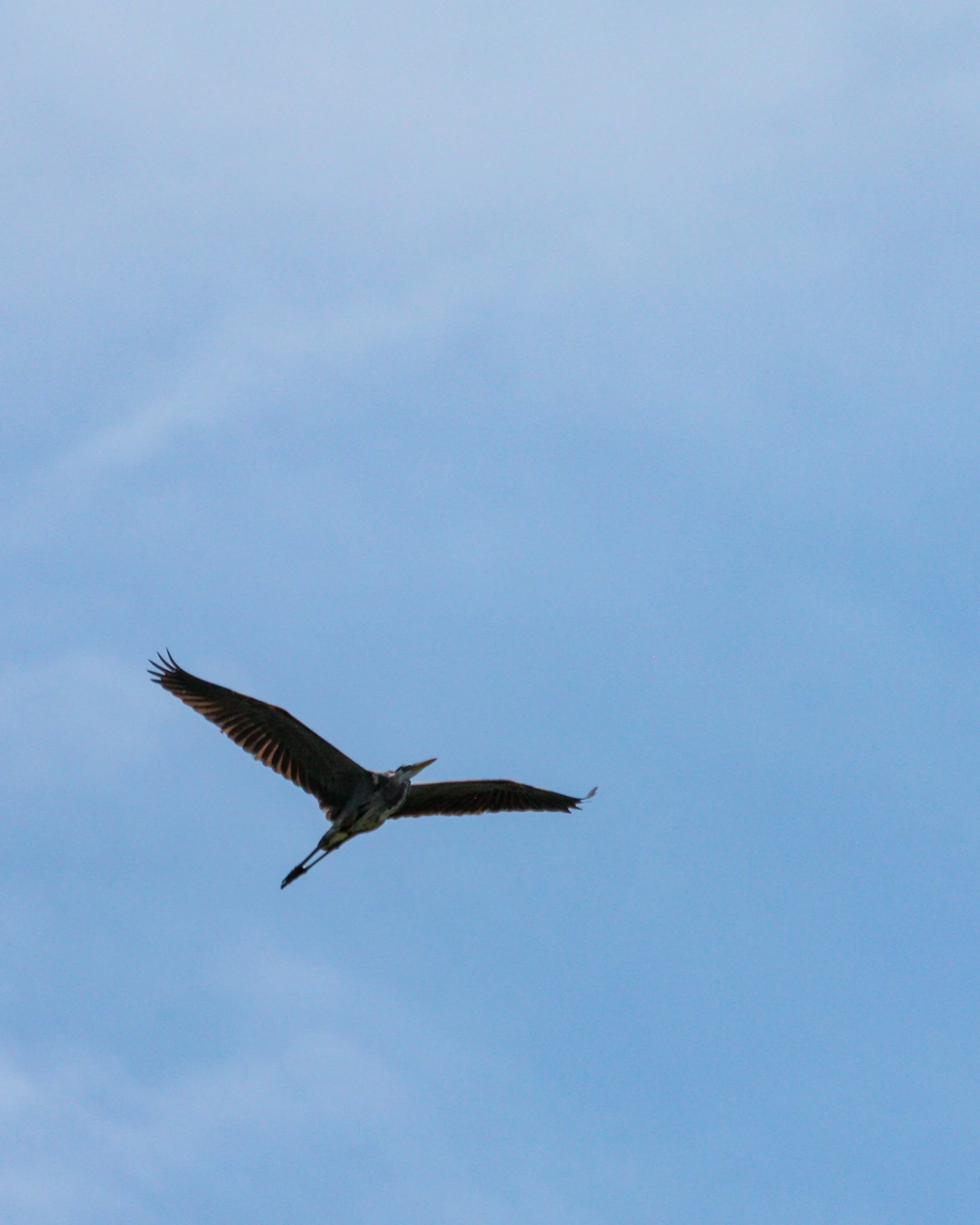
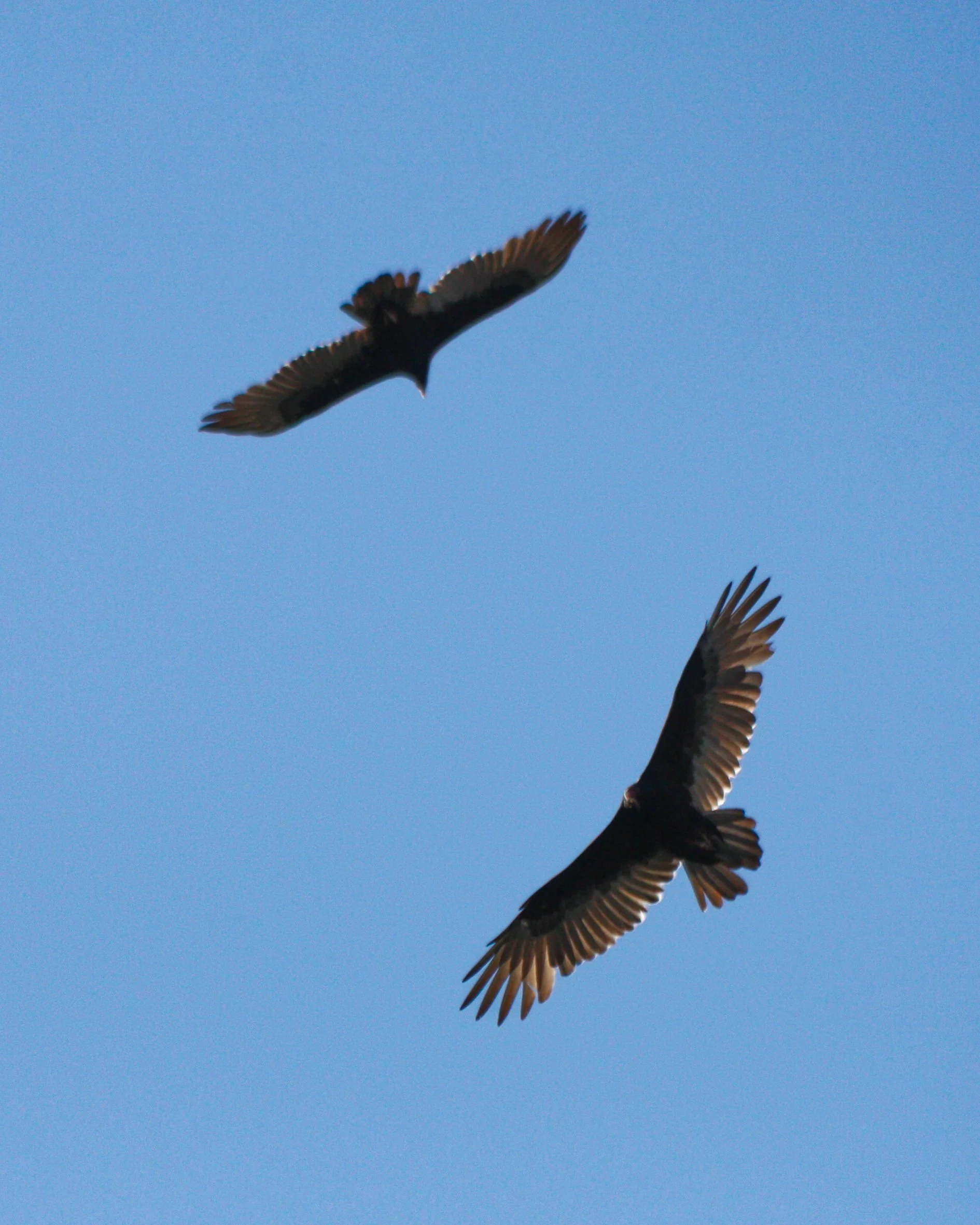
The Physics, Muscles, and Feathers Behind the Impossible
Flying is one of the most mesmerizing feats in the natural world. Watching a bird soar across the sky or hover midair can feel effortless, but beneath that grace is a staggering combination of physics, biology, and raw energy. From hollow bones to interlocking feathers, from powerful flight muscles to perfectly shaped wings, birds are finely tuned to master the air. Let’s break down how birds make the impossible look routine.
Lift and Wing Shape: Turning Air Into Flight
At the heart of flight is lift, the upward force that counteracts gravity. Bird wings aren’t just flapping paddles; they’re airfoils, curved so that air moves faster over the top than the bottom. This difference in air pressure creates lift, pushing the bird upward. The angle of attack, or the tilt of the wing, is constantly adjusted during flight to control speed, direction, and stability.
Different wing shapes serve different purposes. Hawks and eagles have broad, rounded wings perfect for soaring over long distances with minimal effort. Swifts and falcons, by contrast, have narrow, pointed wings optimized for speed and maneuverability. Even within one species, wing adjustments are constantly happening as muscles subtly shift the wing’s shape for flapping, gliding, or hovering.
Hollow Bones: Light, Strong, and Ready for Air
Flying is heavy work. To minimize weight without sacrificing strength, birds have hollow bones, rigid structures reinforced with struts. This adaptation reduces mass while maintaining the ability to withstand the forces of takeoff, landing, and midair maneuvers. Combined with strong flight muscles, these lightweight skeletons let birds generate enough lift to leave the ground and stay aloft.
Feathers: The Zippers of Flight
Feathers are more than decoration, they’re functional marvels. Flight feathers interlock with tiny hooks and barbules, forming a continuous, aerodynamic surface. When a bird flaps, these feathers can twist, fan, or lock together depending on the motion, providing both lift and control. Primary feathers at the wingtip generate thrust, while secondary feathers along the arm portion of the wing provide lift. Tail feathers act like rudders, stabilizing and steering the bird in flight.
Muscles: Powerhouses of the Sky
The engine behind a bird’s flight is its muscles. The pectoralis major, which powers the downstroke, is often the largest muscle in a bird’s body, sometimes making up 15–25% of its total mass. The supracoracoideus, tucked under the chest, powers the upstroke, working like a pulley to lift the wing. Every beat requires precise coordination and immense energy, which is why flight is one of the most metabolically expensive activities in the animal kingdom.
Flight Styles: From Hovering to Gliding
Not all flight is created equal. Hummingbirds hover by flapping their wings in a figure-eight pattern hundreds of times per second, generating lift on both the upstroke and downstroke. Hawks, condors, and albatrosses glide for hours using air currents and thermals, expending minimal energy while covering vast distances. Even within these styles, birds make micro-adjustments to wing angle, feather spacing, and body position to maintain efficiency and stability.
Why Flight Is So Energy Demanding
Flying pushes birds to their limits. Maintaining lift, overcoming drag, and steering precisely all require enormous energy. That’s why many migratory birds refuel constantly and why raptors often soar to conserve power before diving to hunt. The combination of lightweight bones, specialized feathers, and powerful muscles is what makes sustained flight possible, but never easy.
The Takeaway
Every time a bird lifts off the ground, it’s performing a delicate balancing act of physics, anatomy, and raw energy. Hollow bones, interlocking feathers, and finely tuned muscles work together to conquer gravity. Whether it’s a hummingbird hovering over a flower or a hawk gliding across a valley, flight is a testament to the incredible adaptations evolution has crafted, turning the impossible into a daily miracle of nature.
Key Terms and Concepts
Lift – The upward force that allows a bird to rise into the air. Lift is created when air moves faster over the top of a wing than underneath, reducing pressure above the wing.
Airfoil – The shape of a bird’s wing (or an airplane wing) that directs airflow to produce lift. Curved on top and flatter on the bottom, it’s essential for flight.
Angle of Attack – The tilt of a wing relative to the oncoming air. Adjusting this angle changes lift, speed, and maneuverability.
Primary Feathers – The long feathers at the tip of a bird’s wing that generate thrust during flapping.
Secondary Feathers – Feathers closer to the bird’s body along the wing that provide lift and stability.
Hollow Bones – Lightweight bones with internal struts that reduce weight without sacrificing strength, making flight possible.
Pectoralis Major – The main chest muscle responsible for powering the downstroke of a bird’s wing.
Supracoracoideus – The chest muscle that lifts the wing during the upstroke, working like a pulley system.
Drag – The air resistance that opposes a bird’s forward motion. Birds must overcome drag to stay in flight.
Gliding – A flight style where a bird spreads its wings to ride air currents with minimal energy use.
Hovering – A flight style where a bird beats its wings rapidly to stay in one place in the air.
Thermals – Rising columns of warm air that birds use to gain altitude without flapping, conserving energy.