

Why Wild Birds Need Rehabilitation
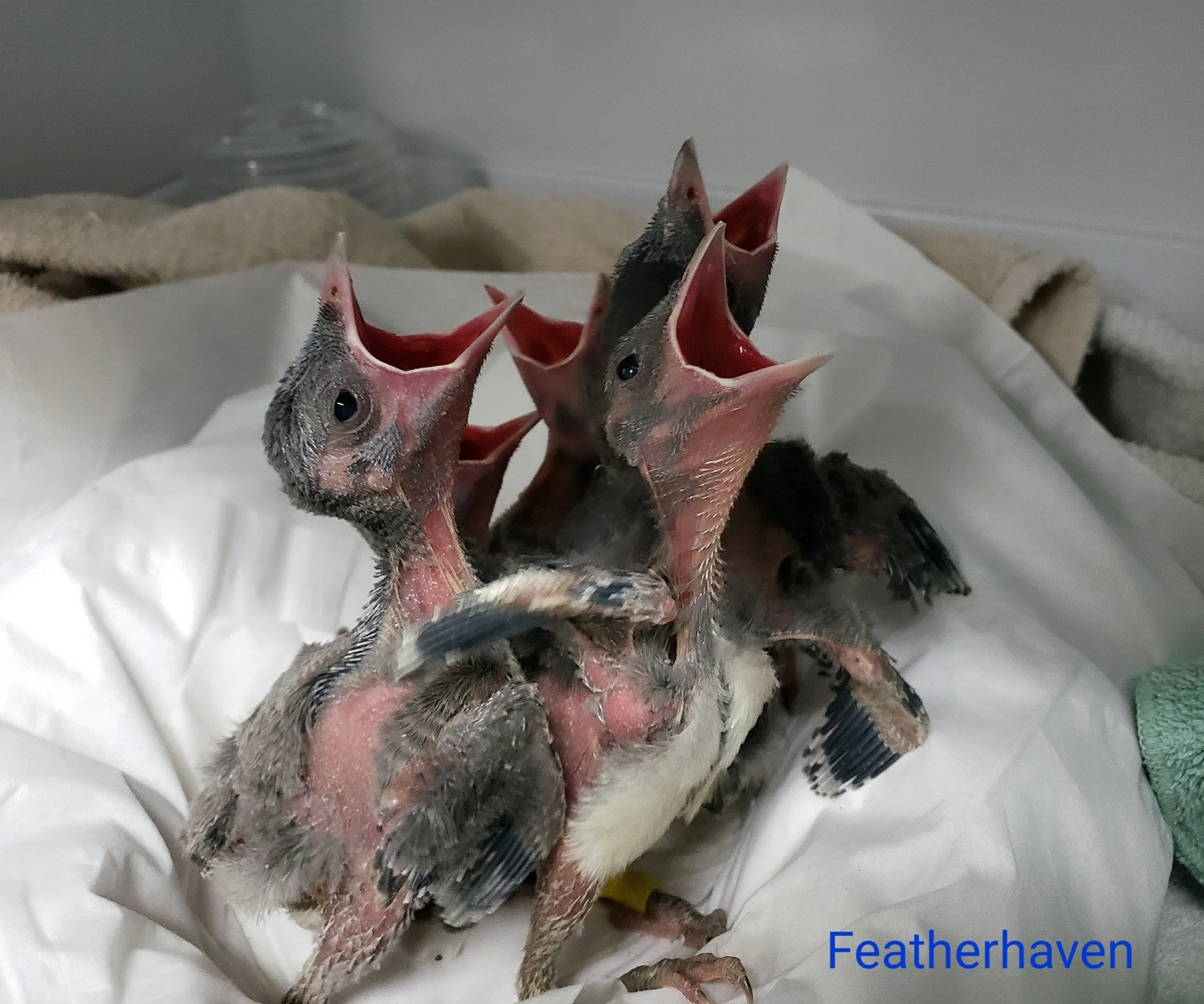
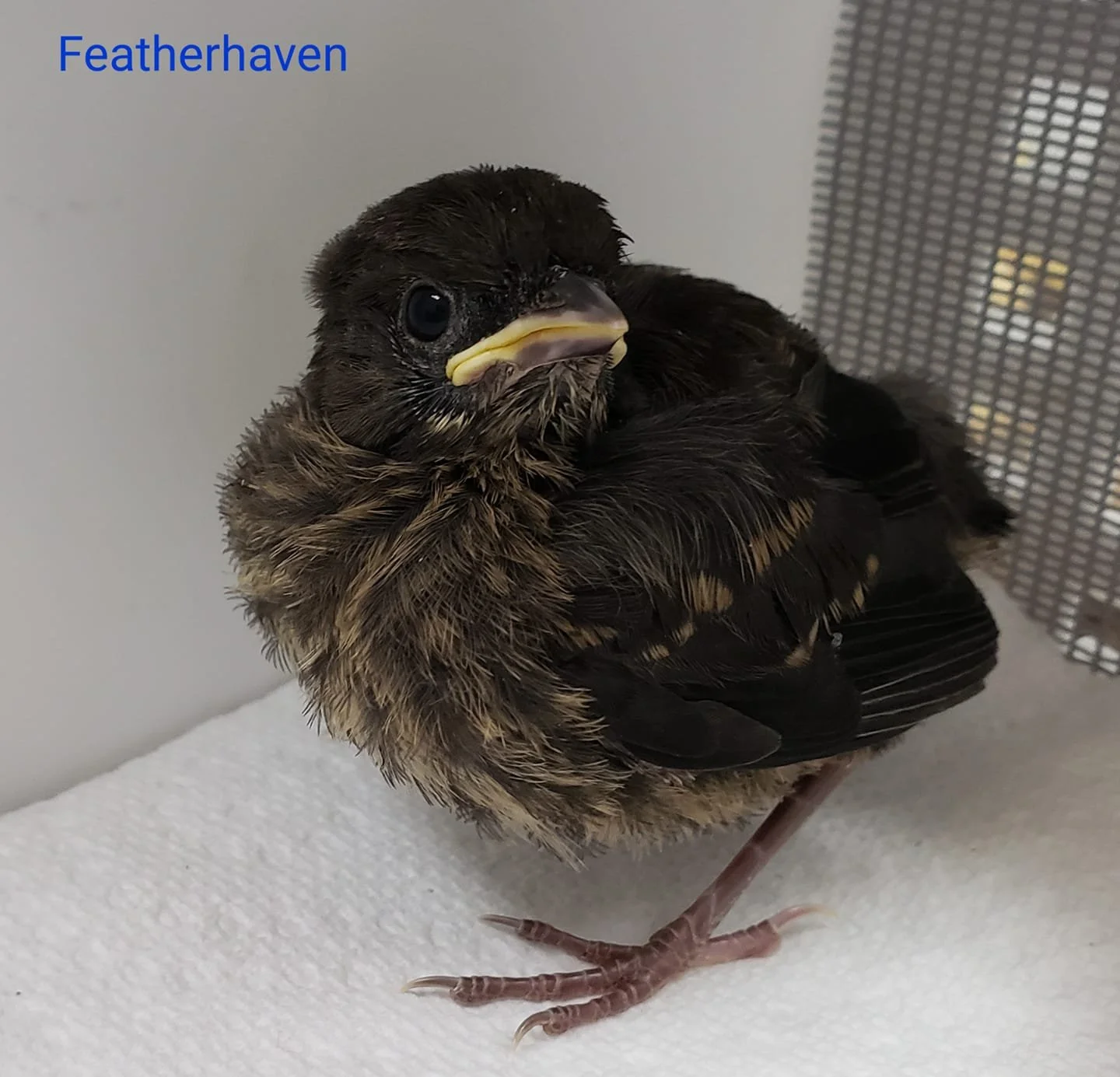
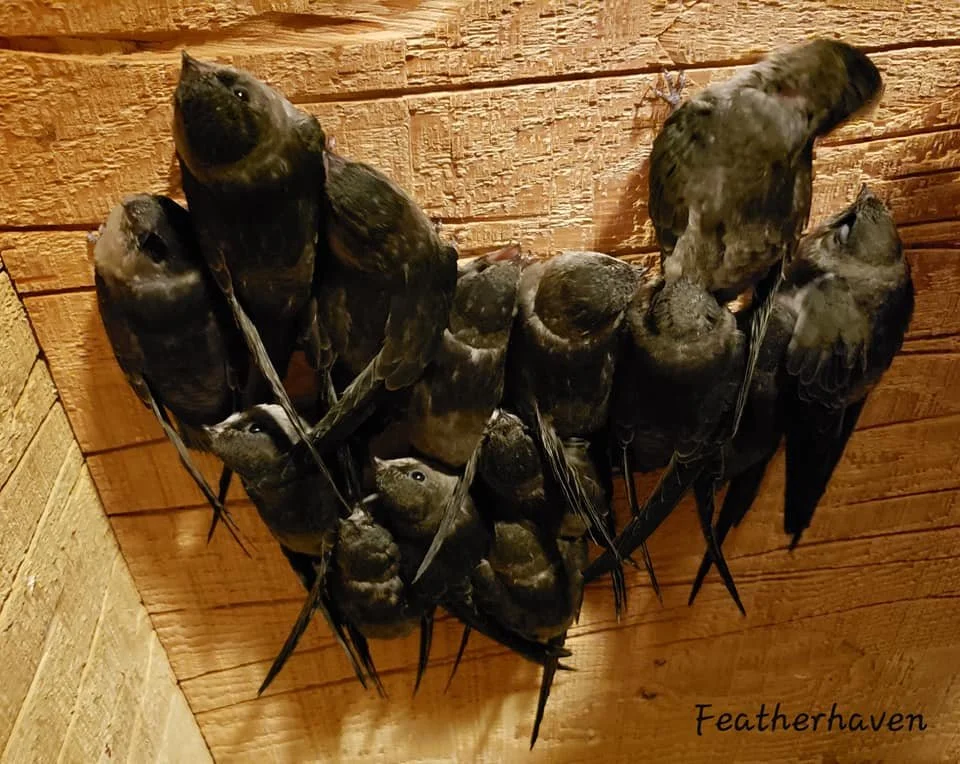
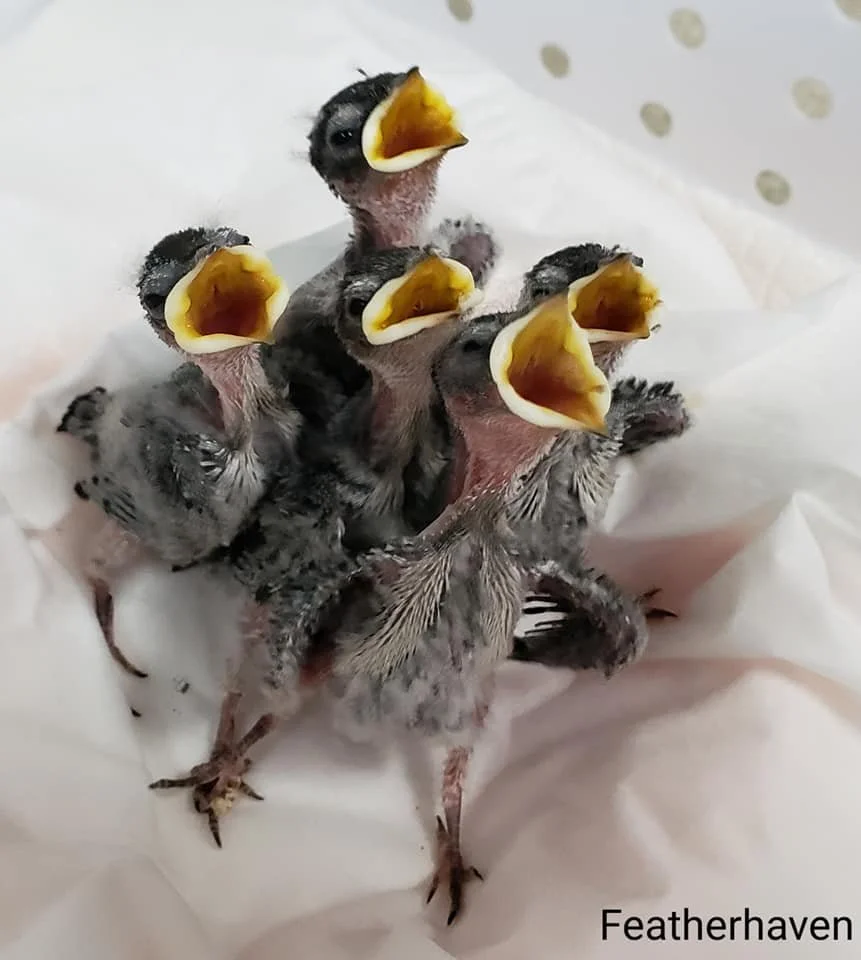
SPOILER ALERT! ……. It’s mostly our fault!
David & Kelley Ward
Featherhaven
Wildlife of all kinds can end up in the hands of a licensed professional wildlife rehabilitator. The reasons behind their sickness, injury, or struggle are varied. However, in more than 90% of the cases, the causes of a wild animal’s problems are either directly or indirectly the result of human-caused impacts.
Here at Featherhaven, located in western Washington state, we are licensed by Federal and State government wildlife agencies and have specialized solely in avian wildlife rehabilitation for nearly twelve years. For our purposes, we use the term “songbird” here to include all non-raptor avian intakes. “Natural” reasons behind intakes here for both songbirds and raptors account for a small minority, and include:
∙Predation injuries
∙Weather impacts
∙Disease transmission
Sadly, the overwhelming majority of all rehabilitation intake issues are caused by humans. Wildlife has had to adapt for hundreds of years as human range expansion, population growth, technological advances, widespread habitat loss and destruction, insect decline due to pesticide use, disregard for the environment, and many other humanity-caused factors have negatively affected wildlife. For songbird human-caused intakes here, rehabilitation is necessitated (in order of prevalence) by:
∙Nest destruction or ”bird knapping”
∙ Free-roaming cat attacks
∙Window strikes
∙Birdfeeder disease (illness caused by poor birdfeeder practices)
∙Vehicle strikes
∙Chimney entrapment
∙Glue traps
∙Gunshot injuries
Featherhaven raptor intakes account for approximately 15-20% of our efforts. These include Bald & Golden Eagles, Hawks, Owls, Osprey, Falcons, and Vultures. Raptor-specific details concerning these issues may be offered in a future article. This information is tailored to the Pacific Northwest, but may be applicable in other areas. Contact a local rehabilitator for clarifications specific to your geographical area. Overall, native avian species are protected by the Migratory Bird Act and enforced by USFWS and your state’s Fish & Wildlife department.
Common areas we repeatedly encounter needing clarification and correction include:
∙Hummingbird feeding and tips
∙Birdfeeder tips and placement
∙Window strike mitigation
∙Pruning/vegetation removal
∙“Bird-Knapping”
∙ Free-roaming cat solutions
∙Rodent control
∙Injured bird triage by the finder
We will offer the basics here on these issues as an educational effort. This advice is based on years of avian rehabilitation and educational efforts. The information you might glean from internet searches can provide a myriad of good information. However, the internet also consistently provides absolutely incorrect and at times dangerous information. Discernment of your internet results is difficult. Licensed wildlife rehabilitators in your area offer the best information. Contact them first. Your state’s Fish and Wildlife home page will nearly always offer a list of licensed/permitted wildlife rehabilitators along with their contact information. Many rehabilitators also have good general information on their home page and social media pages. If internet solutions are utilized, rely on information offered by knowledgeable sources only. Reliable sources include The American Bird Conservancy, Cornell University Lab of Ornithology, The National Audubon Society.
Wild songbird triage:
A few basic rules for the public can preclude problems when they come upon a sick or injured bird that requires assistance. A small net can assist in capture if needed.
∙Sequester pets and small children away from the bird.
∙Locate a suitable box in which to put the bird.
∙Line the bottom of the box with a towel, cloth, or paper towels/tissues.
∙Calmly approach the bird from behind with an appropriately sized cloth for protection. Covering the bird’s eyes may help calm it.
∙In general, it is okay to touch the bird, even a baby bird. However, if clean, lightweight gloves are readily available, they may be utilized. Non-powdered nitrile gloves are perfect. Be aware that some birds will defend themselves with a bite.
∙After covering the bird with the cloth, carefully envelop it, and lift/place upright into the box & securely close or cover the box after removing the cloth covering the bird.
∙Offer NO FOOD OR WATER (Hummingbirds are the only exception to this. Contact a licensed rehabilitator for details.)
∙Place the box in a dark, quiet room.
∙DO NOT release a window-strike victim after a rest period. The bird MUST go to a rehabilitator to preclude later death due to inflammation/brain issues.
∙Call the appropriate licensed rehabilitator. Nearly all rehabilitators will require that you bring them the bird. They do not have the resources to pick birds up.
∙Keeping and attempting to care for it is illegal, and most likely the animal will die.
Below are the very basics of a few common bird issues that consistently come up. We hope that this information will help preclude avian injury, illness, and unnecessary problems.
Hummingbird food for feeders:
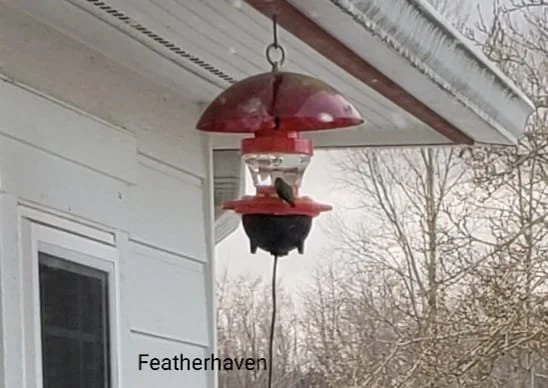
NO RED DYE! Ratio is 4 parts water to one-part WHITE sugar. (One cup water to ¼ cup sugar) Fine grain sugar will readily dissolve in lukewarm water with stirring. Add nothing else to the mix. Hang feeders in a shaded location. Clean feeders at every refill with hot soap & water and brushes. Clean every few days in warm weather, but at least weekly at all times. During freezing weather bring feeder inside AFTER dark and replace BEFORE dawn. Rotate feeders with warm ones when temperatures are below 30 degrees F. Alternatively, heated feeders are available with an internet search. Hummingbird territorial squabbles can be somewhat mitigated by placing at least two feeders out of line of sight of each other.
Birdfeeder placement and feeding tips:
Place all feeders at least 25’ away from large windows or closer than 3’ to minimize songbird window strikes. Place feeders close to trees so birds can flee from predators that stalk them near feeders. Under a tree canopy is perfect. Feeders close to ground-hugging bushes offer cats a place to hide and attack from. Offer clean unfrozen water. Feed a high-quality birdseed mix appropriate for your area. In western Washington, Costco offers a large boxed mix of excellent seed at a good value. Cheap mixes are filled with cheap & inappropriate seeds to lower the cost. Feed ONLY the amount of seed that is utilized by day’s end. Excess seed left overnight attracts rodents and other unwanted guests. Old & excess seed gets wet and can mold and harbor diseases like salmonella and mycoplasma conjunctivitis. Clean up ground shell litter and seed excess for the same reasons. Clean feeders weekly with a 10% bleach solution, rinse and dry, to preclude mold and disease. Planting native plants and eliminating pesticides are extremely impactful ways to help feed birds naturally.
Window strike mitigation:
Place potted plants/trees in front of windows. Stickers/decals are available that make the window more visible to birds. Hang Mylar tape strips in front of windows. A home solution is to use window paint or a sponge dipped in very well-diluted water-based paint to place a semi-faint imprint every few square feet to make the window more visible to birds.
Free-roaming cat solutions:
All domestic and feral cats are a non-native, INVASIVE SPECIES! Free-roaming cats kill 2-4 BILLION songbirds a year in the USA alone. Domestic cats hunt & kill for sport, as the birds are rarely eaten. Cat inflicted injuries account for the second largest number of intakes here at Featherhaven. Bells on collars don’t help. Solutions: Keep your cat indoors. Period. Cats ultimately are happier and much safer indoors. Just make the commitment…for your cat’s sake. Install a “Catio” type of enhancement to your home. An internet search will give you ideas from very simple and inexpensive, to elaborate. It will allow your cat the best of both inside and outside experiences. A bird that has been in a cat’s mouth, and later dropped, must come to a rehabilitator for treatment, regardless of condition!
Rodent control:
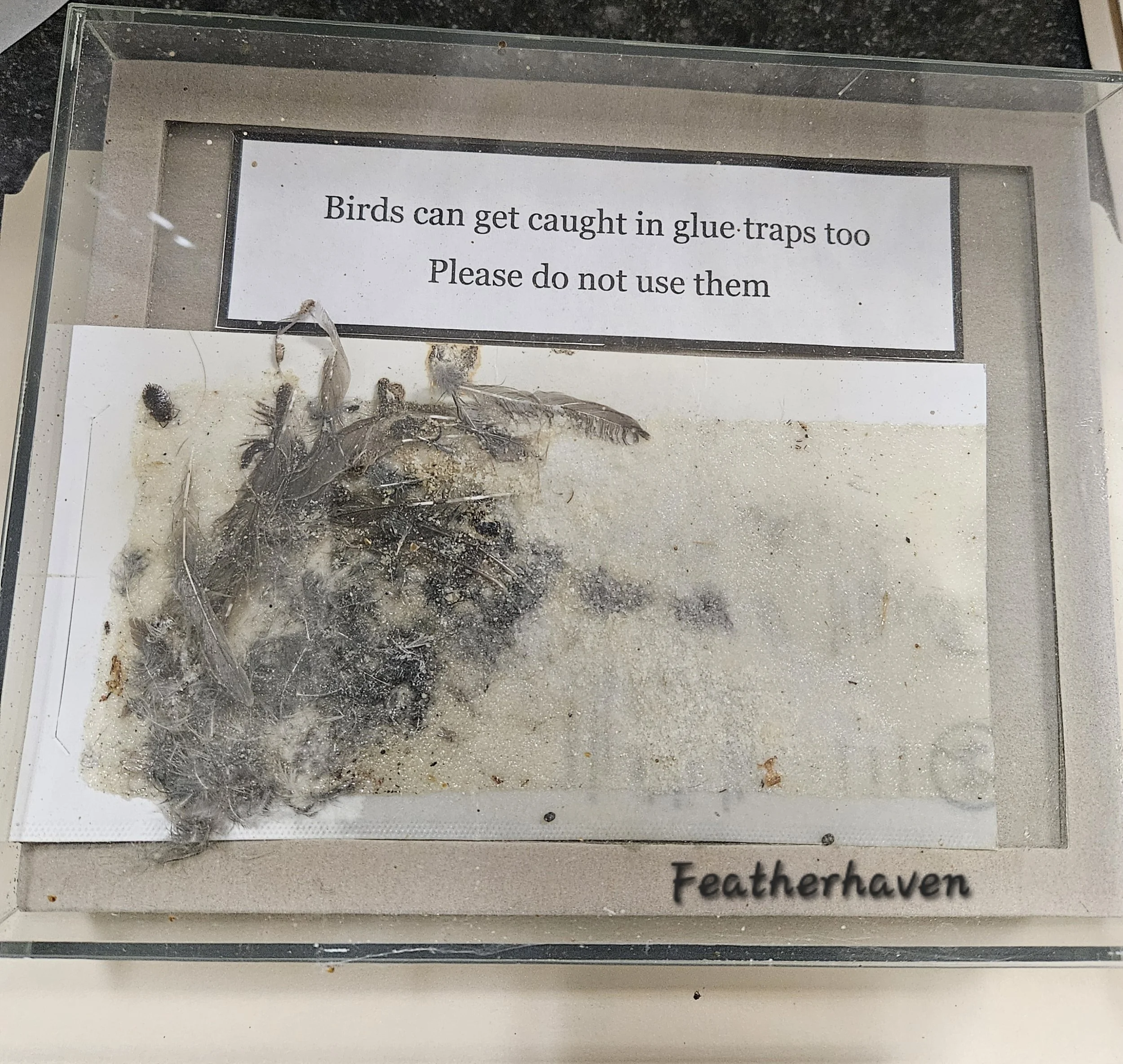
Rodents are attracted to food. Take away or securely contain bulk food sources like animal feeds and remove outside pet foods at night, along with excess birdseed at feeders. The rodents will disappear. DO NOT USE ANY KIND OF RODENTICIDE! Pest control companies will say their late-generation poisons are pet/animal safe, but they will kill a raptor that eats a rodent poisoned by these products. Rodenticides can actually increase rodent populations, as secondary poisoning kills raptors. Contained or enclosed snap traps are the only solution that is relatively safe for birds. Songbirds are often killed and maimed by open snap-traps. Do not use glue-traps. They are inhumane for all species. They also catch songbirds. Put up an owl-nesting box. A single raptor can remove a thousand rodents a year from your property.
Pruning/Tree removal:
Generally, in the Pacific Northwest do ALL pruning and vegetation/tree removal before the end of February and after the end of September. Hummingbirds nest very early here. It is a violation of Federal and state law to tamper with or destroy native nests any time after eggs have been laid. Not all songbirds nest in trees or bushes. In the PNW, Dark-eyed Juncos and others nest in tall grassy areas, even lawns! Give your area a good look for ground nests before mowing.
“Bird-Knapping”:
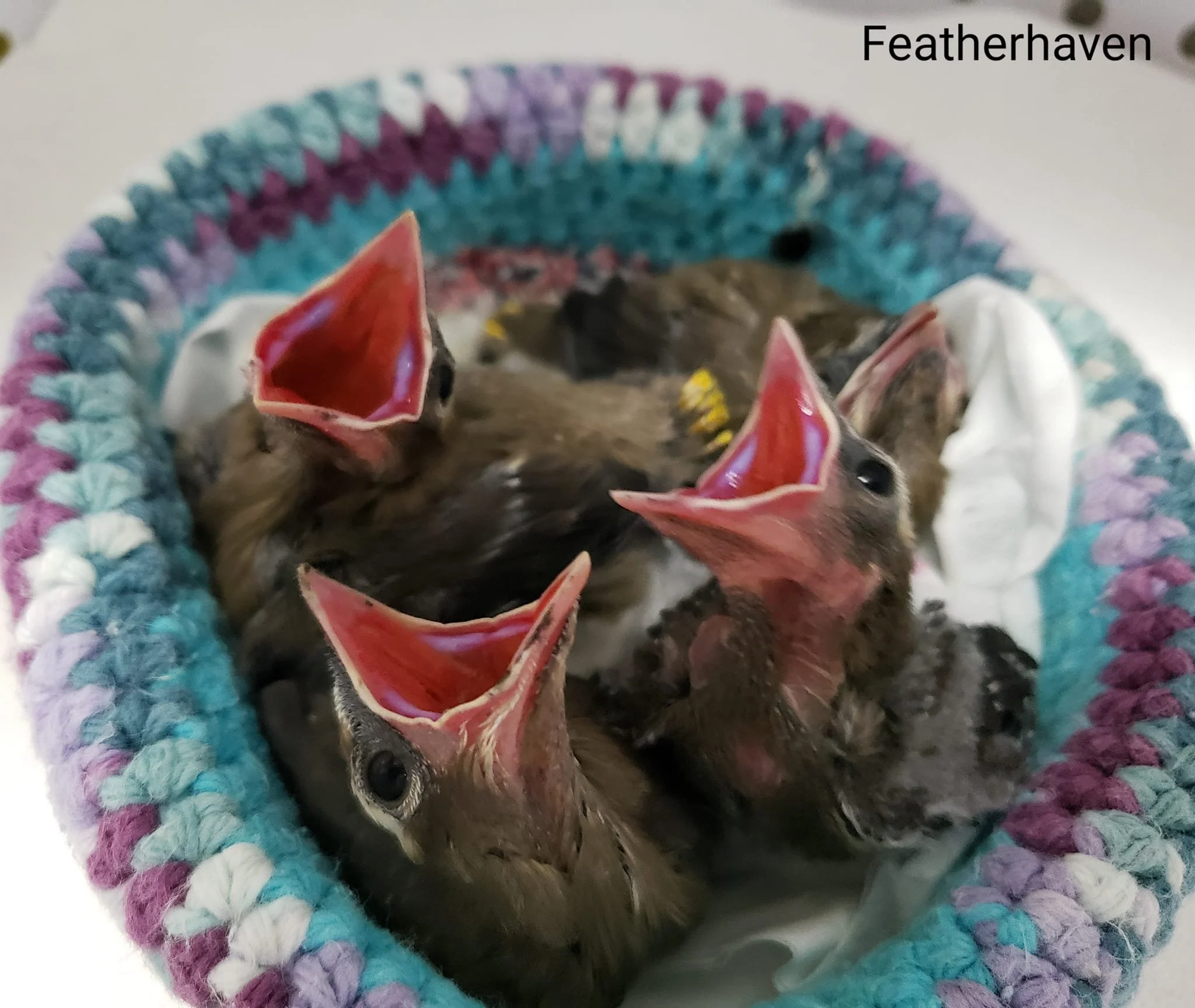
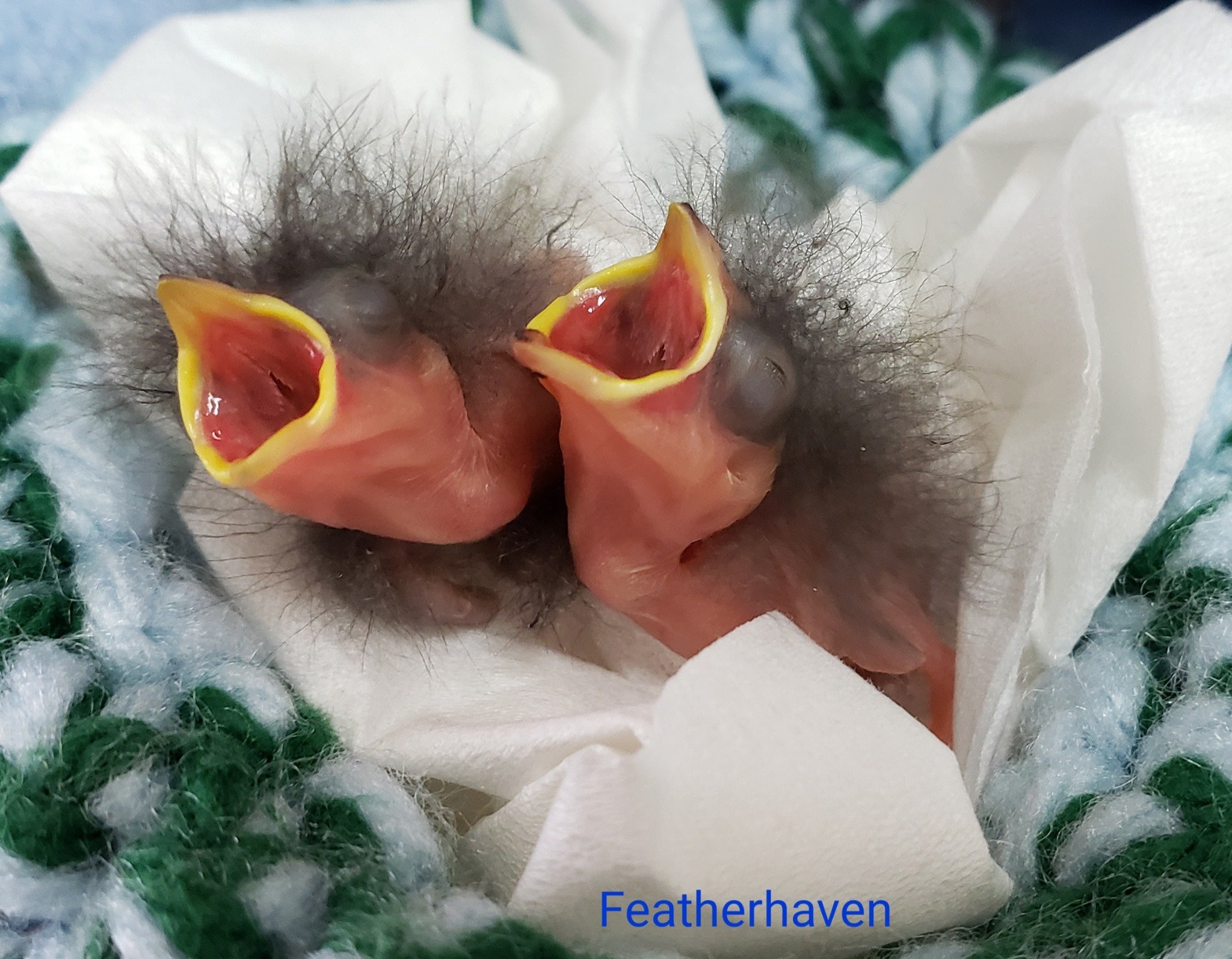
Many avian species cannot fly, or fly very poorly when they first leave the nest. They will remain on the ground or in very low branches close to the nest for up to a week or more while being supported, protected, and fed by the parents. They also undergo flight training during this time. If you see a songbird or corvid (crow, raven, jay) on the ground during this period just observe. Watch closely for parental support. Keep ALL pets away (see free-roaming cat section). Well-meaning people regularly “bird-knap” fledglings, leaving frantic and confused parents to fruitlessly search for their baby. Aerial insectivores, such as swallows and swifts are fully flighted as they leave the nest. Any swallow or swift seen on the ground needs immediate help from a licensed rehabilitator.
Chimney Entrapment:
Cavity nesting birds are attracted to uncapped chimneys for obvious reasons. We have removed several species of trapped birds from chimneys, including several owl species, woodpeckers, and an occasional non-cavity nesting bird. Vaux’s Swifts are a species we will not remove. Their nesting in a chimney is a natural event, and they are the only cavity dweller that can escape a chimney once inside. We advise homeowners to simply wait a few weeks until the swift family has left. The solution to stop their return next year, as well as other species, is to simply install a quality chimney cap.
These basics have been provided based on years of songbird rehabilitation that was necessitated because of injuries, illnesses, and orphan bird situations. Hopefully, we have brought to light some of the challenges avian species face and offered useful thoughts on how we can be better stewards of our avian neighbors. Enjoy the birds!