

From Egg to Air
How Birds Grow and Survive Their Most Vulnerable Stage
A bird’s journey begins in a fragile shell and ends in the sky, but the path in between is fraught with challenges. From carefully chosen nests to demanding parental care, the early life of birds is a delicate balance between survival and growth. How a chick develops, what strategies parents use, and how many young a bird raises all reflect evolutionary tradeoffs honed over millions of years.
Nesting Strategies: Safety First
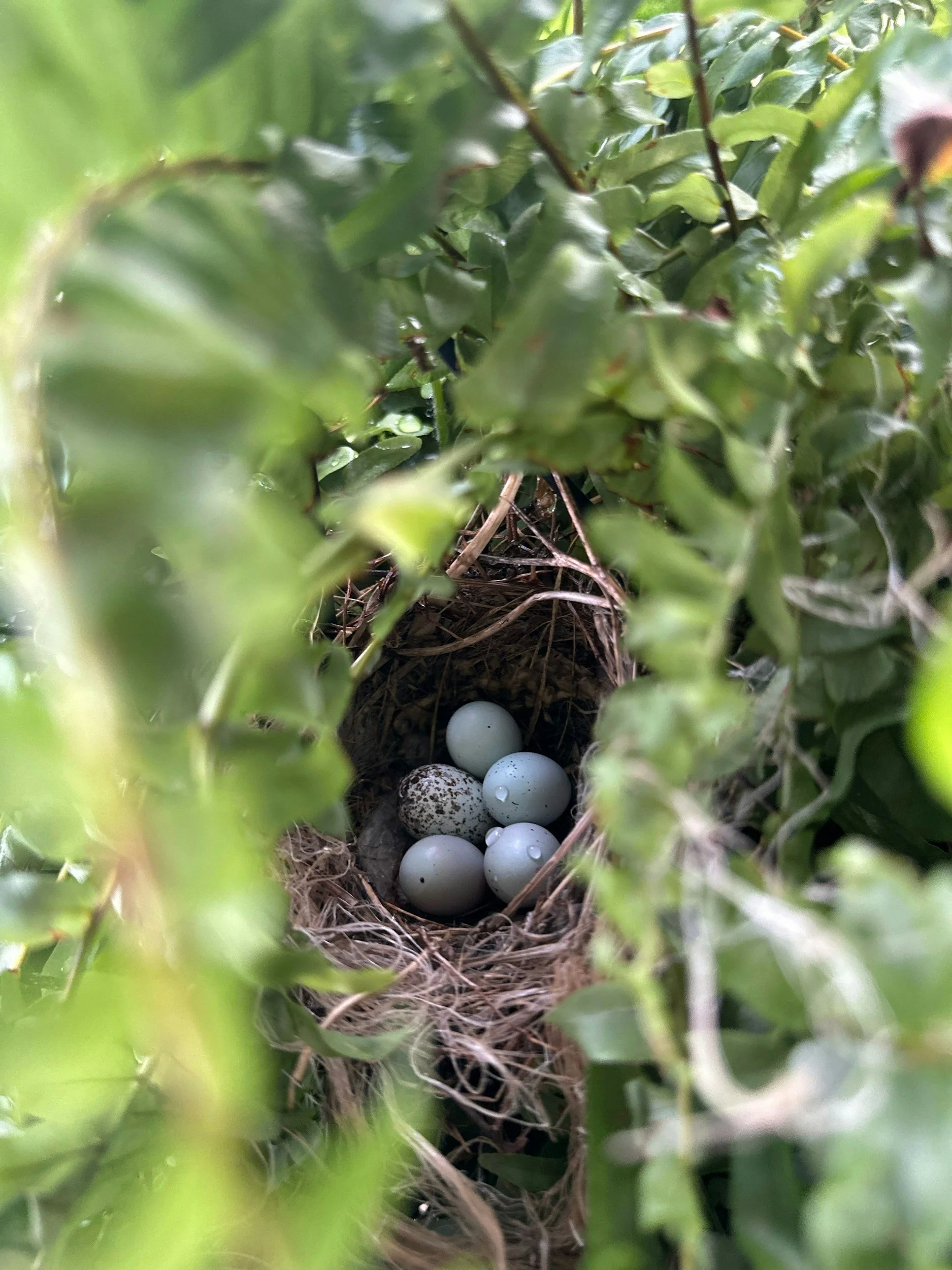
Birds invest heavily in the right nesting spot. Some build intricate tree nests, others scrape simple depressions in the ground, while cavity-nesters like woodpeckers and owls seek the protection of hollows. Nest location and structure help protect eggs and chicks from predators, harsh weather, and competition. Some species, like terns or swallows, nest in colonies, gaining safety in numbers.
Incubation: Keeping the Egg Warm
Incubation is a demanding stage where parents regulate the temperature of eggs with their bodies. Proper warmth is crucial for development; even small temperature fluctuations can delay hatching or threaten survival. Birds take turns incubating in some species, while in others, one parent shoulders the responsibility.
Altricial vs. Precocial Chicks
Chicks come in two general types: altricial and precocial.
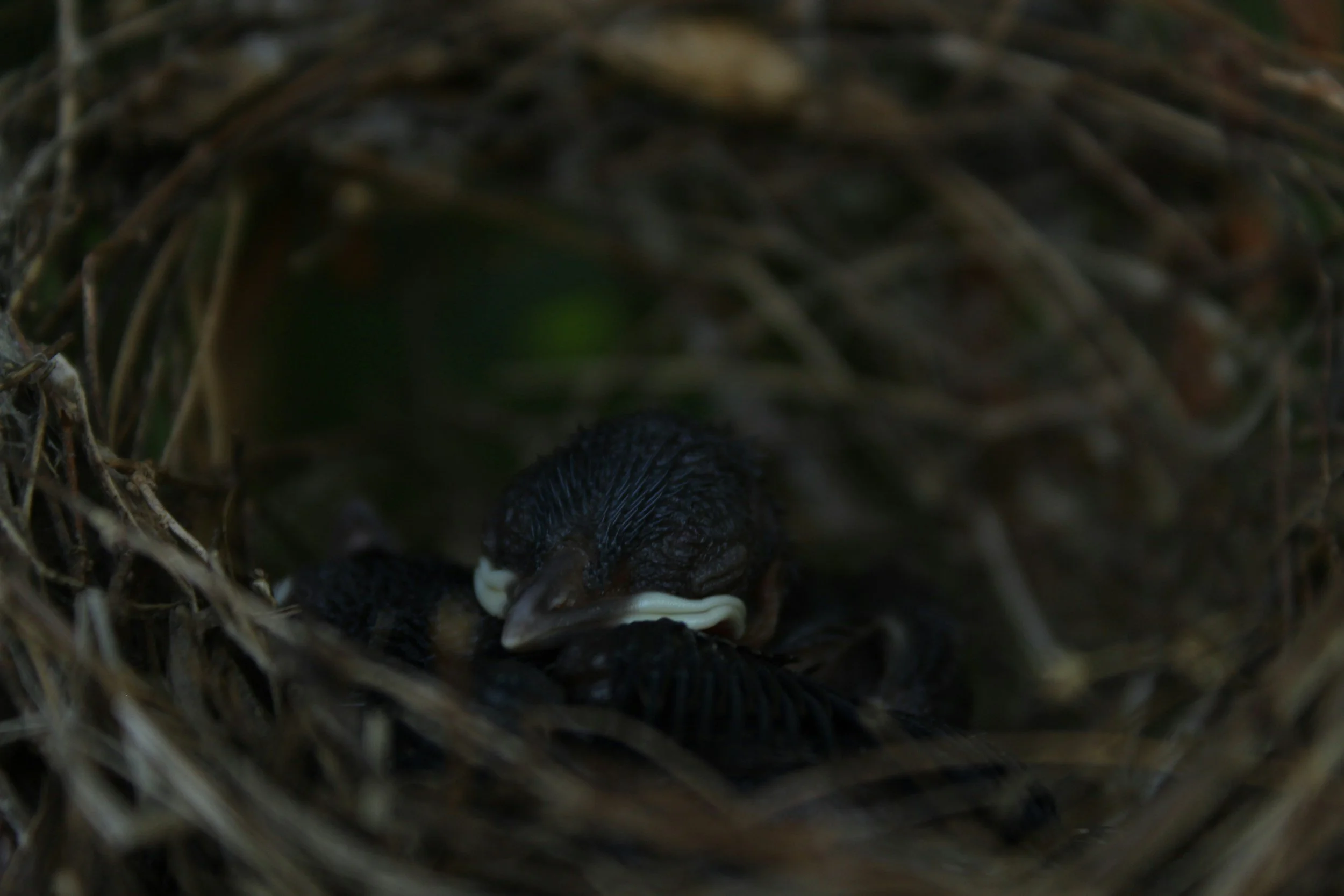
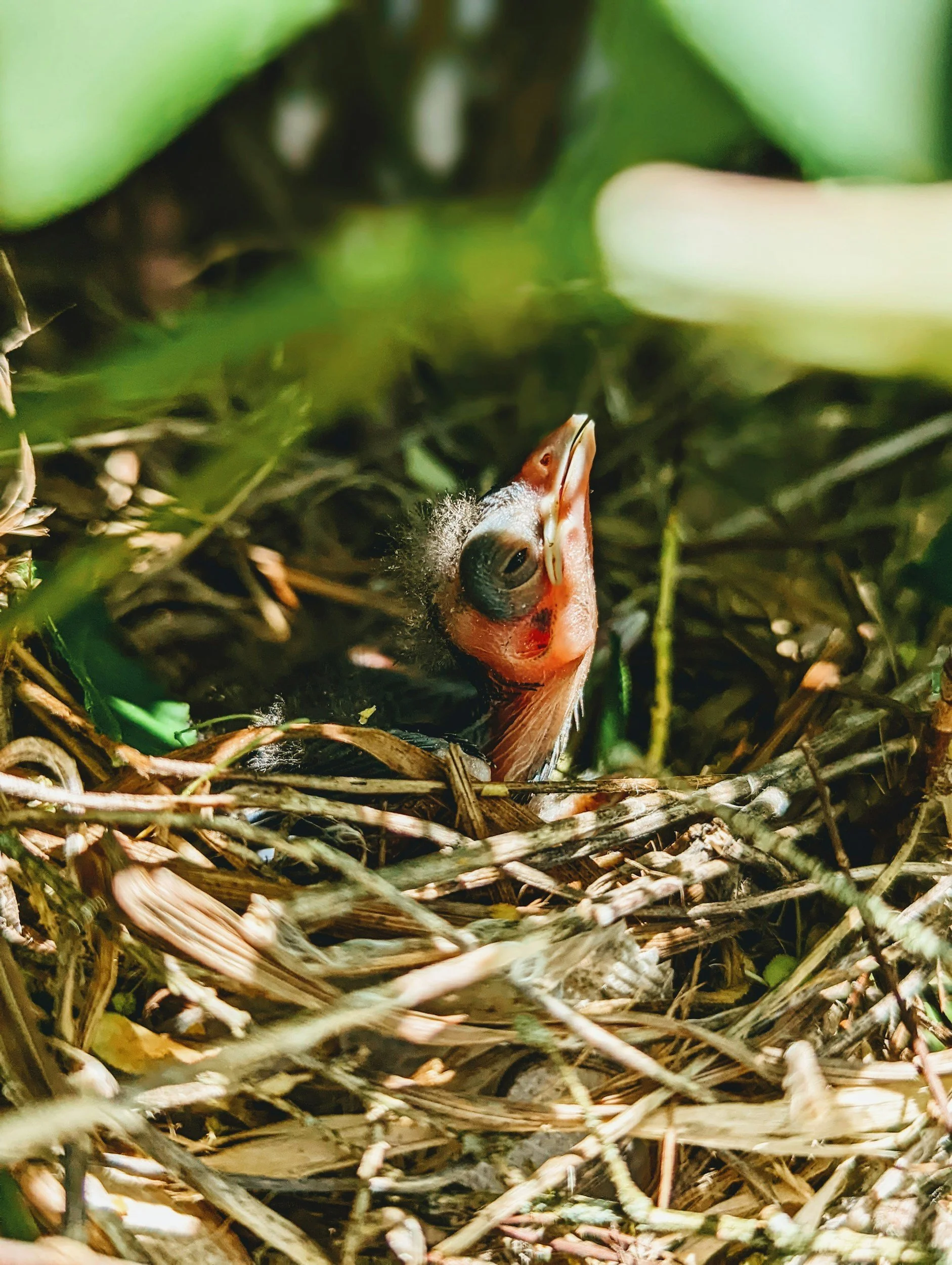
Altricial chicks hatch helpless, blind, and featherless. They rely entirely on parental care, often requiring constant feeding and protection until they can move and thermoregulate. Songbirds are classic examples.
Precocial chicks hatch more developed, with down feathers, open eyes, and the ability to walk or swim shortly after hatching. Ducks and chickens follow this strategy, gaining mobility quickly but still depending on parents for guidance and protection.
Parental Care and Feeding
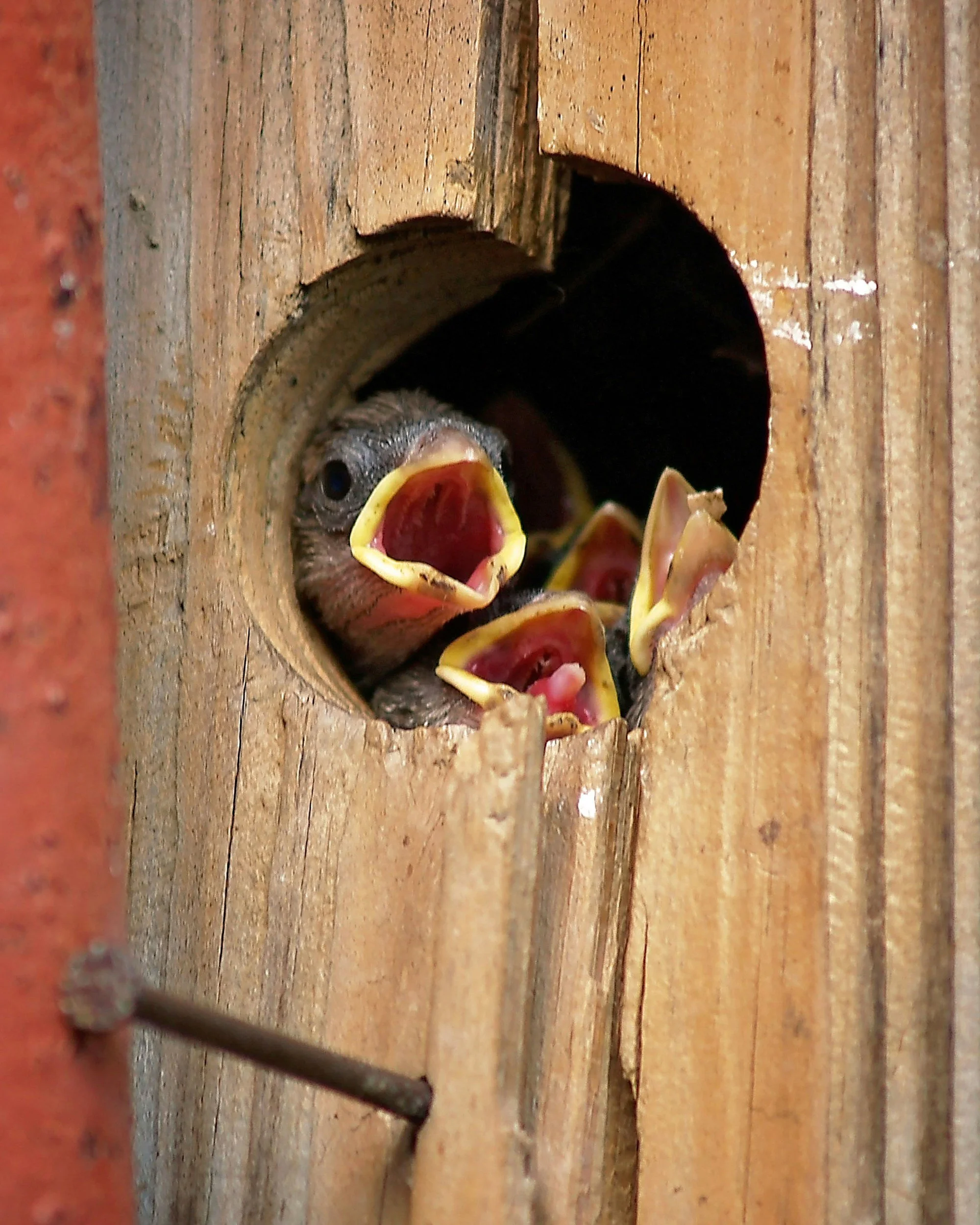
Parental care extends far beyond hatching. Parents feed, brood, and teach chicks vital survival skills. Feeding strategies vary: some parents regurgitate food, while others bring insects, seeds, or small vertebrates. Many species adjust feeding frequency depending on chick age, weather, or competition. In some cases, parents invest heavily in a single chick; in others, they spread resources across many, balancing survival chances with reproductive output.
Survival Challenges and Evolutionary Tradeoffs
The early stages of life are perilous. Predation, starvation, disease, and harsh weather claim countless chicks. Evolution shapes parental strategies: species that produce many chicks often invest less in each, knowing that some will survive, while species with fewer young invest heavily in ensuring each one reaches adulthood. These tradeoffs reflect a delicate balance between quantity and quality, shaped by habitat, food availability, and environmental pressures.
The Takeaway
From the warmth of the nest to the first tentative flights, a chick’s early life is a test of survival and adaptation. Nesting choices, incubation, chick type, and parental care all reflect evolutionary strategies that maximize survival in a challenging world. Observing these stages offers a window into the incredible resilience and diversity of avian life, showing that even the smallest creatures are equipped with strategies that allow them to rise from egg to air.
Key Terms and Concepts
Nest – The structure or location chosen by birds to lay and incubate eggs, providing protection from predators and the elements.
Incubation – The process by which parent birds keep eggs warm to ensure proper development until hatching.
Altricial – Chicks that hatch helpless, often blind and featherless, requiring extensive parental care.
Precocial – Chicks that hatch relatively mature, with open eyes and down feathers, able to move and feed shortly after hatching.
Parental Care – Actions by adult birds to protect, feed, and nurture their young, increasing survival chances.
Evolutionary Tradeoff – A balance between survival strategies, such as producing many offspring with less care versus fewer offspring with more care.
Brooding – Sitting on eggs or chicks to provide warmth and protection.