

Feathers Are More Than for Flying

Nature’s Ultimate Multi-Tool
When we think of feathers, flight usually comes to mind, but these remarkable structures do far more than lift a bird into the sky. Feathers are versatile tools, finely tuned by evolution to insulate, waterproof, camouflage, signal, and even produce sound. They are living evidence that in nature, a single adaptation can serve multiple purposes.
Types of Feathers and Their Functions
Birds have several types of feathers, each with specialized roles:
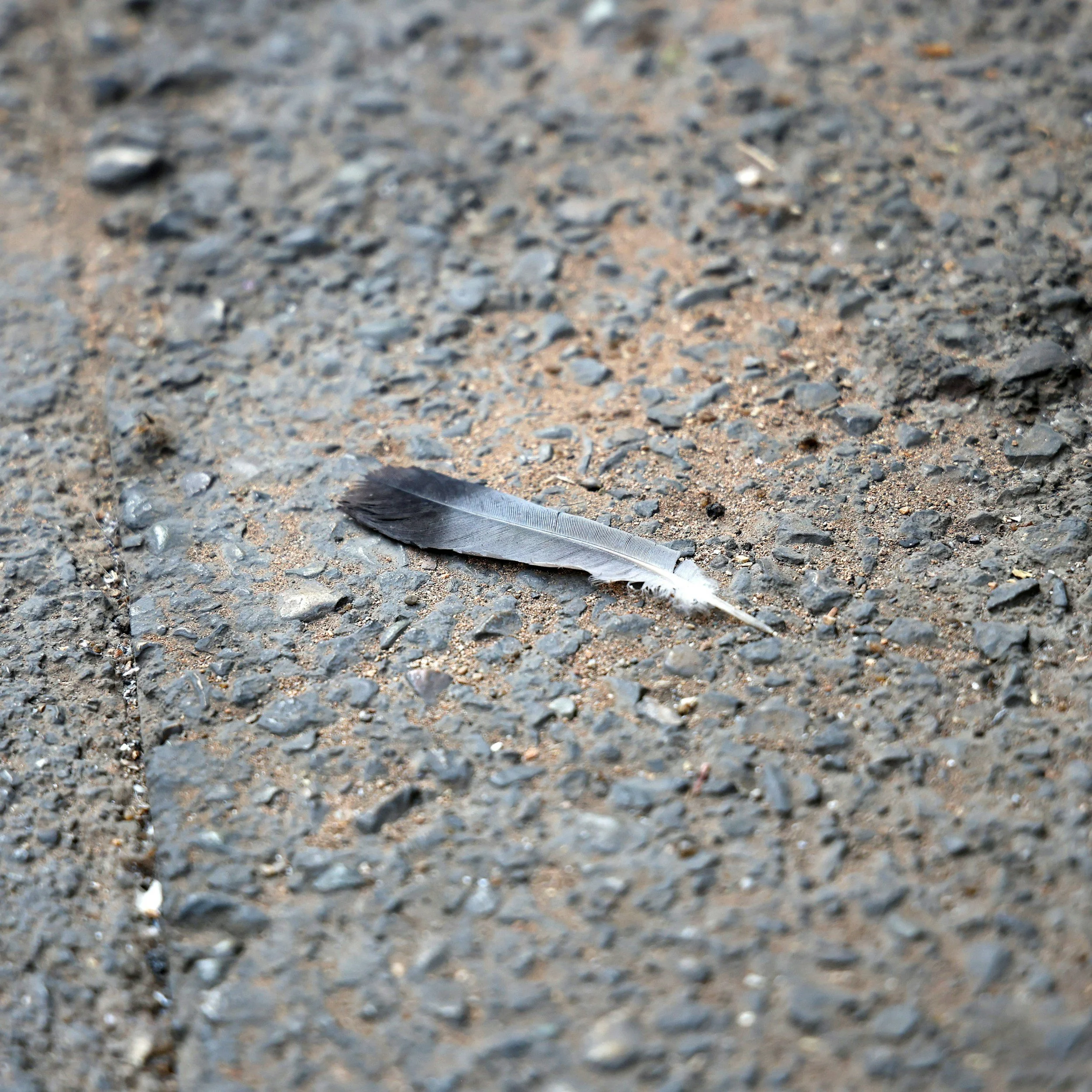
Flight Feathers: Located on the wings and tail, these feathers provide lift, thrust, and steering during flight. They are stiff, asymmetrical, and interlock to create a smooth, aerodynamic surface.
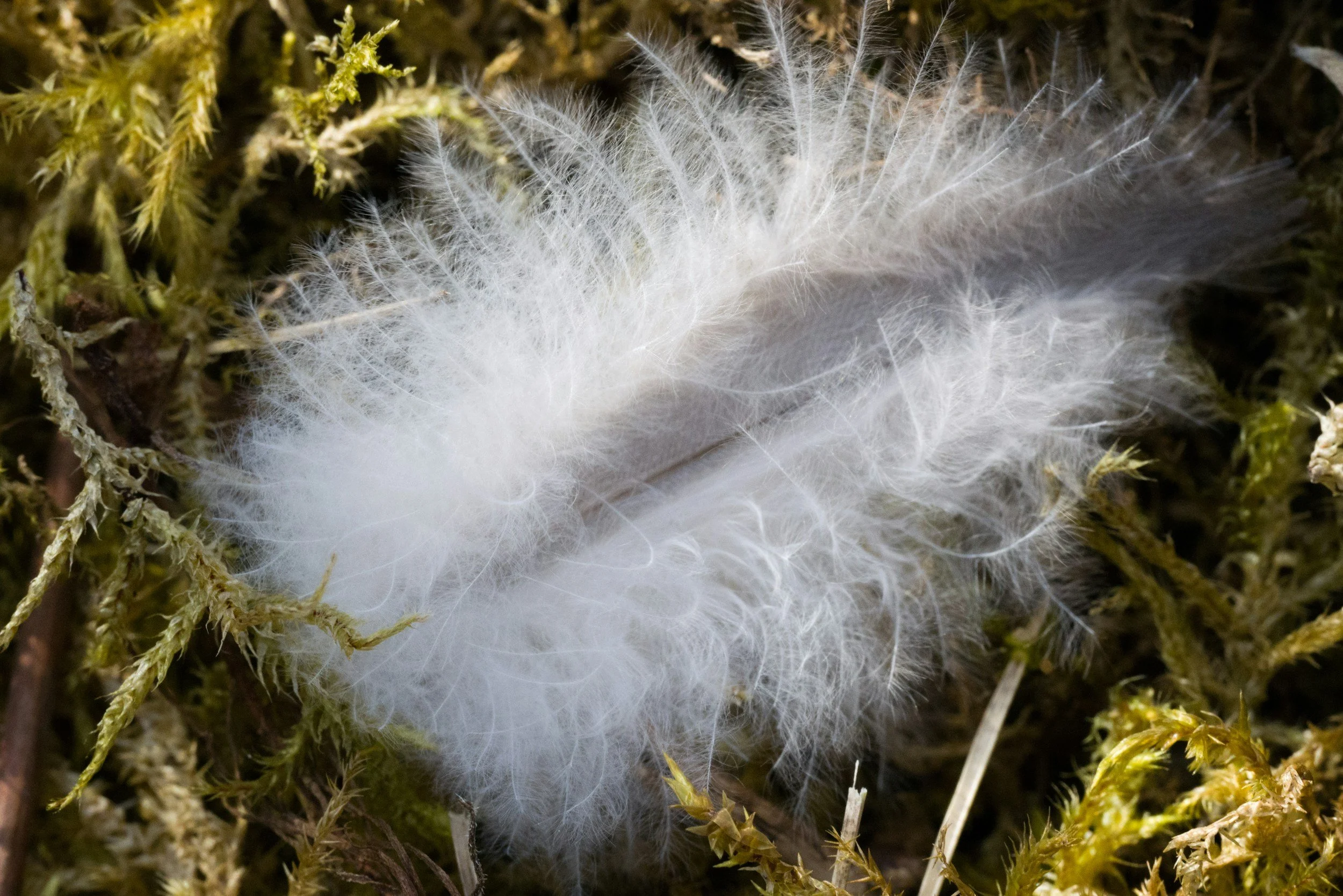
Down Feathers: Soft and fluffy, down feathers trap air close to the body, keeping birds warm even in freezing conditions.
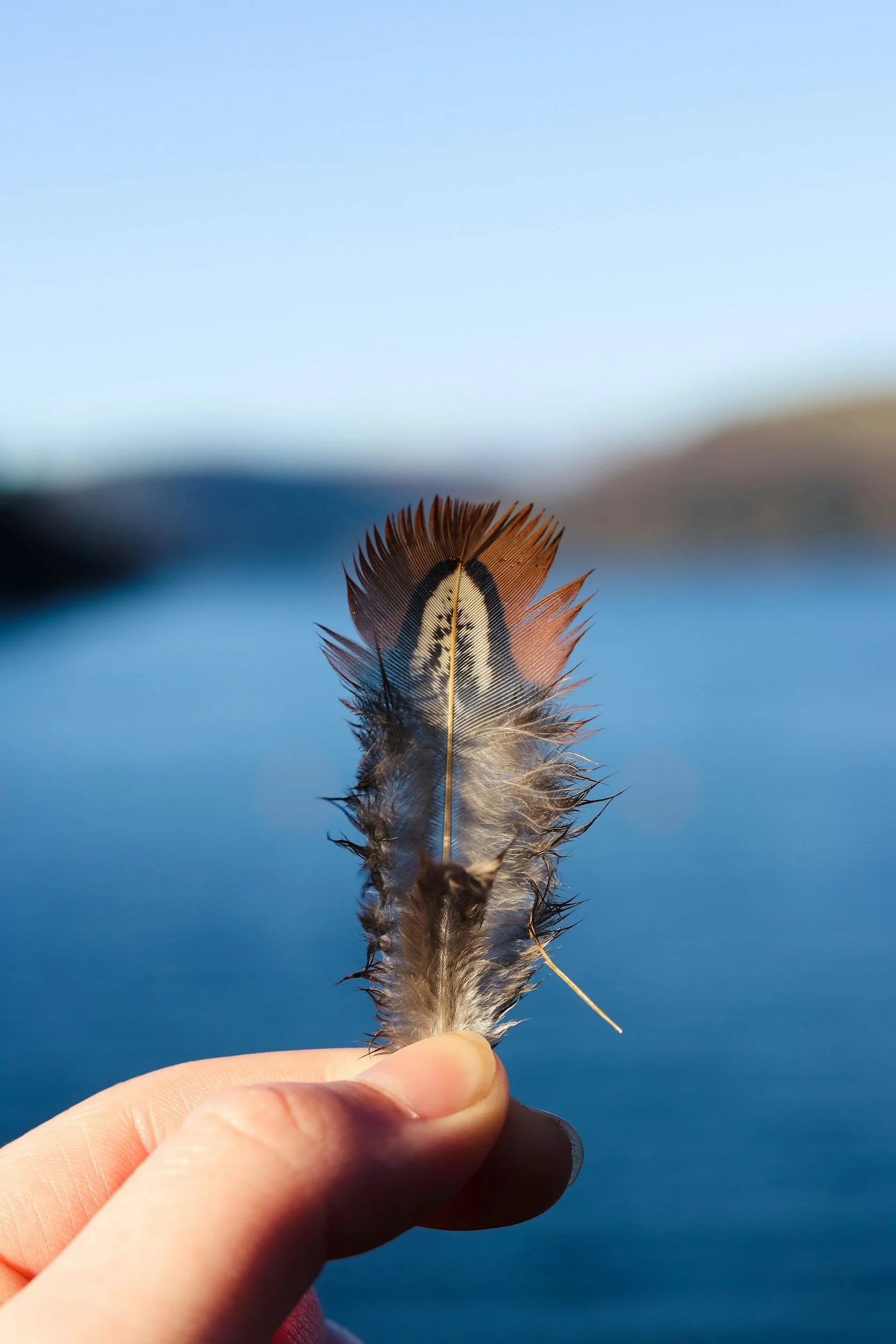
Contour Feathers: Covering the bird’s body, contour feathers shape its silhouette, aid in waterproofing, and often contribute to color patterns for camouflage or display.
Beyond Flight: Insulation and Waterproofing
Feathers are critical for survival in diverse climates. Birds fluff their down feathers to trap insulating air, staying warm in the coldest weather. Waterproofing comes from oils secreted by the preen gland, spread along feathers to repel rain and moisture. Even small birds like chickadees can stay dry and insulated in freezing rain, all thanks to the combined magic of feather structure and maintenance.
Camouflage, Communication, and Courtship
Feathers are also nature’s visual language. Coloration can hide birds from predators or help them blend into habitats, as seen in the cryptic browns of sparrows or the mottled patterns of owls. In courtship, vibrant plumage signals health and genetic quality; think of a male peacock’s extravagant tail or the iridescent throat feathers of hummingbirds. Some birds even use feathers to produce sound: the humming sound of a snipe’s tail in flight or the “drumming” of a woodpecker’s wing beats during display.
Molting: Nature’s Maintenance Cycle
Feathers don’t last forever. Birds undergo molting, shedding old or damaged feathers and growing new ones. During this time, plumage may look ragged or uneven, but it is essential for maintaining optimal flight, insulation, and display quality. Observing feather condition can even give insights into a bird’s health, shiny, intact feathers indicate a well-fed, healthy individual, while tattered or dull feathers can signal stress, illness, or malnutrition.
The Takeaway
Feathers are much more than instruments of flight, they are a multifunctional toolkit that supports survival, communication, and reproduction. From keeping birds warm and dry to signaling fitness, producing sounds, and shaping aerodynamic flight, feathers illustrate how evolution can turn a single adaptation into a masterful all-in-one solution. Next time you watch a bird preen, display, or soar, remember that every feather has a story to tell.
Key Terms and Concepts
Flight Feathers – Long, stiff feathers on the wings and tail that enable lift, thrust, and steering in flight.
Down Feathers – Soft, fluffy feathers that provide insulation by trapping air near the bird’s body.
Contour Feathers – Feathers covering the bird’s body, shaping its silhouette, aiding in waterproofing, and contributing to camouflage or display.
Molting – The process by which birds shed old or damaged feathers and grow new ones.
Preen Gland – A gland near the base of a bird’s tail that secretes oils used to maintain feather waterproofing and condition.
Camouflage – Coloration or patterns that help a bird blend into its environment to avoid predators.
Courtship Display – Behavioral and visual signals, often including plumage, used to attract mates.