

Pollinators Beyond Bees
The Invisible Workforce Keeping Plants Alive
When most people hear “pollinator,” they picture a fuzzy bee bouncing between flowers. Bees are amazing. But they are only part of the story. In reality, thousands of other animals are moving pollen every single day and many of them don’t get any credit at all.
Some of the world’s most important pollinators don’t even look like they should be doing the job.
Flies: The Unexpected Powerhouses
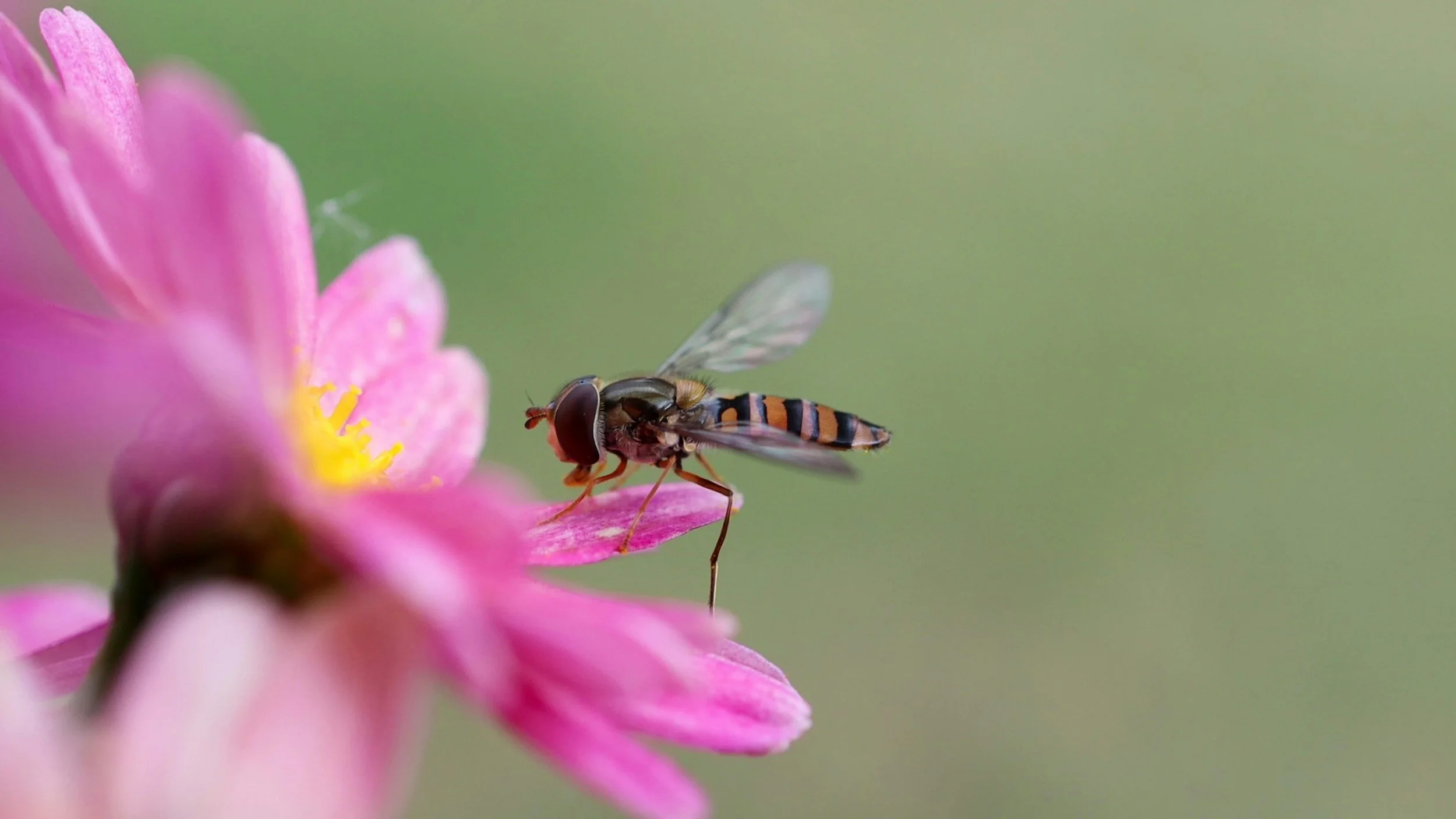
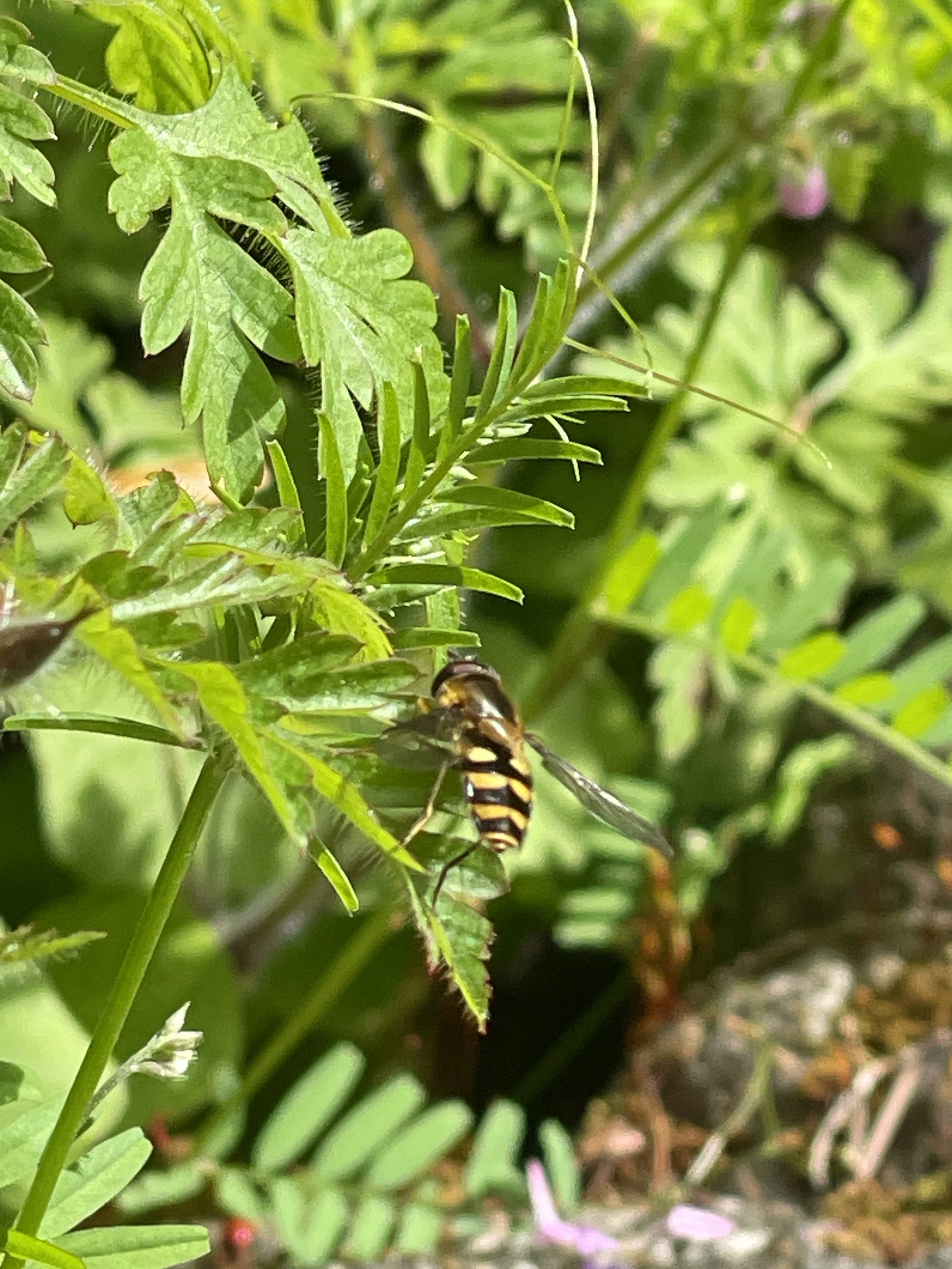
Flies are often written off as pests, but they’re some of the most efficient pollinators on Earth.
Hoverflies alone pollinate hundreds of plant species, including crops like apples, strawberries, and onions.
Unlike bees, flies can stay active in cooler, cloudier weather which means they pollinate when bees can’t.
In colder regions and high elevations, flies can actually be the primary pollinators keeping ecosystems running.
Basically: when bees clock out, flies pick up the shift.
Butterflies & Moths: Long Distance Pollinators
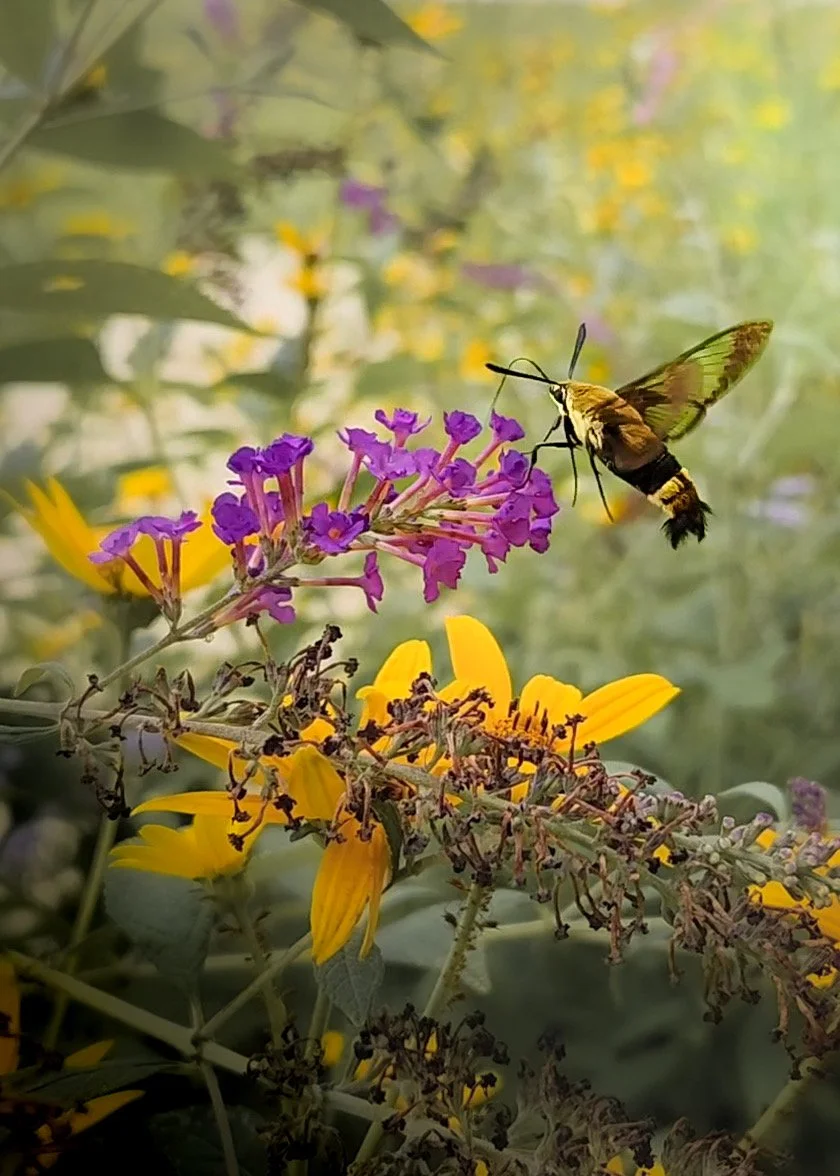
Butterflies and moths don’t collect pollen on purpose like bees do, but their bodies brush against flower parts as they feed on nectar.
Because many travel long distances, they move pollen farther than most insects.
This helps plants stay genetically diverse and resilient.
Some flowers have even evolved specifically for moths, opening at night and releasing strong scents to guide them in the dark.
Nature’s overnight delivery service.
Beetles: The Original Pollinators
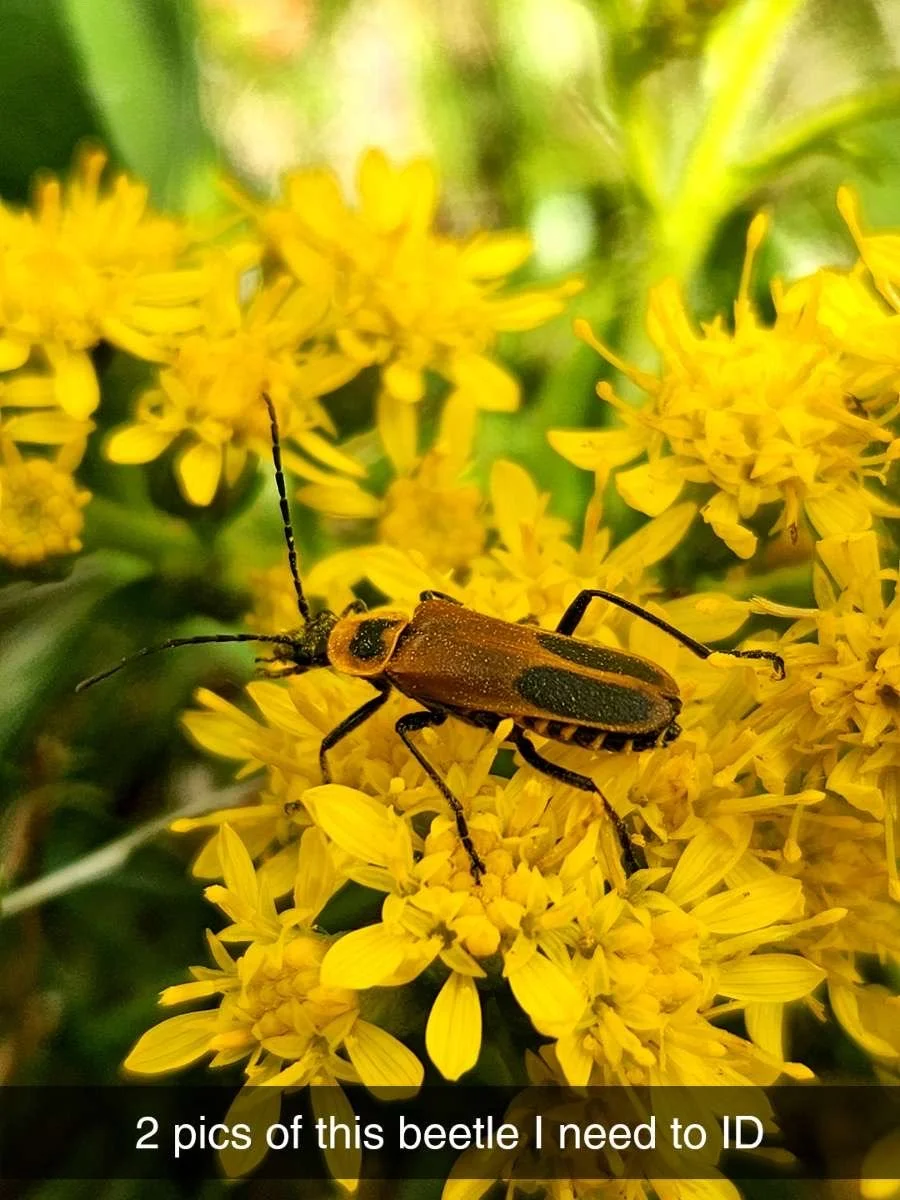
Before bees even existed, beetles were already doing the job.
They pollinated some of the earliest flowering plants millions of years ago and still pollinate magnolias, water lilies, and spicebush today.
Beetles tend to be messy eaters chewing petals and crawling through flowers which spreads pollen everywhere.
Not elegant.
Very effective.
Ants, Wasps & Other Helpers
Wasps pollinate figs (which literally cannot reproduce without them).
Some ants move pollen between low growing plants.
Even certain birds and bats play huge roles in tropical ecosystems.
Pollination is a whole team sport.
Why This Matters
When people focus conservation only on bees, we miss protecting entire networks of pollinators.
Healthy ecosystems rely on diversity.
If one group declines, others help fill the gap but only if their habitats are protected too.
Saving pollinators isn’t about saving one species.
It’s about protecting the whole system that keeps plants, animals, and humans fed.
Key Definitions
Pollination
The transfer of pollen from the male parts of a flower (anthers) to the female parts (stigma), allowing fertilization and seed production.
Generalist pollinator
An animal that visits many different plant species for nectar or pollen (like flies and beetles).
Specialist pollinator
A species that pollinates only one or a few plant types (like fig wasps).
Co-evolution
When plants and pollinators evolve traits in response to each other over long periods of time.
Genetic diversity
Variation in genes within a species that increases survival and adaptability.
Activity: Pollinator Detective Walk
Go outside to a garden, park, or trail. Spend 15 minutes observing flowering plants.
Write down:
• What kinds of insects or animals visit each flower
• How they move (hover, crawl, land briefly, feed long)
• Time of day and weather conditions
Then ask:
Which pollinators show up in cooler weather?
Which prefer bright sun?
Which visit many flowers versus just one type?
Bonus challenge:
Sketch one pollinator and label where pollen sticks to its body.