

Flying Squirrels
Supporting Flying Squirrels at Home
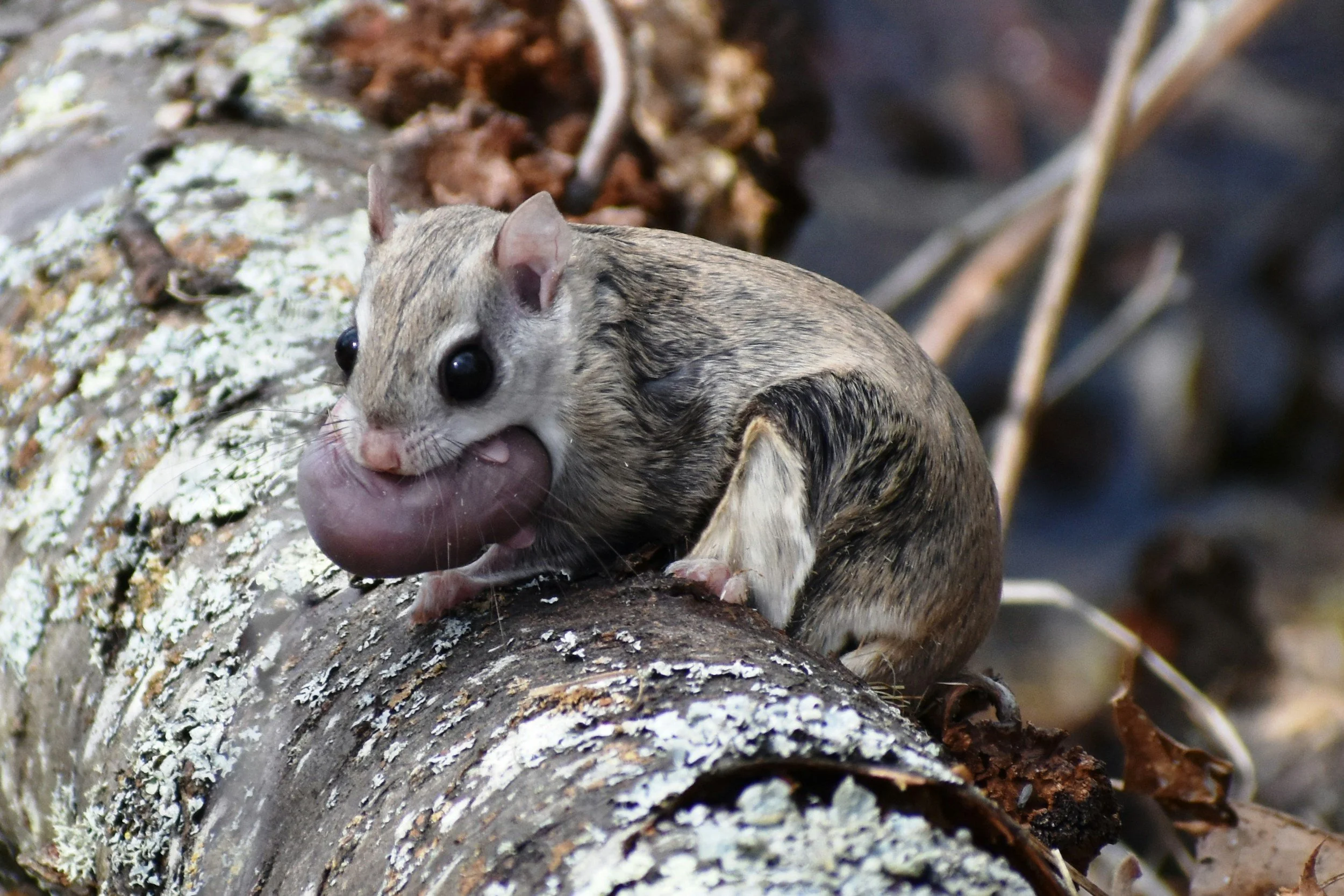
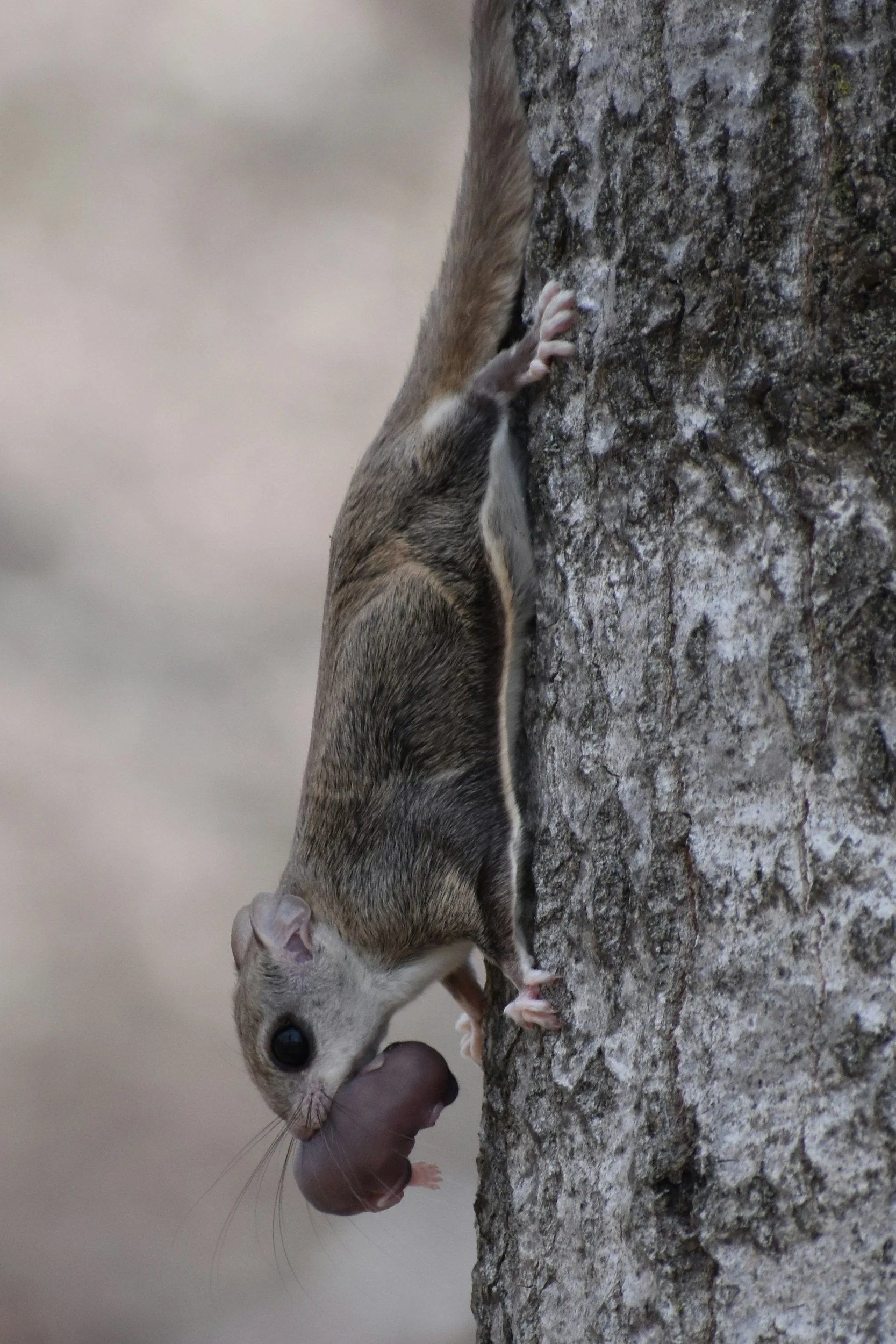
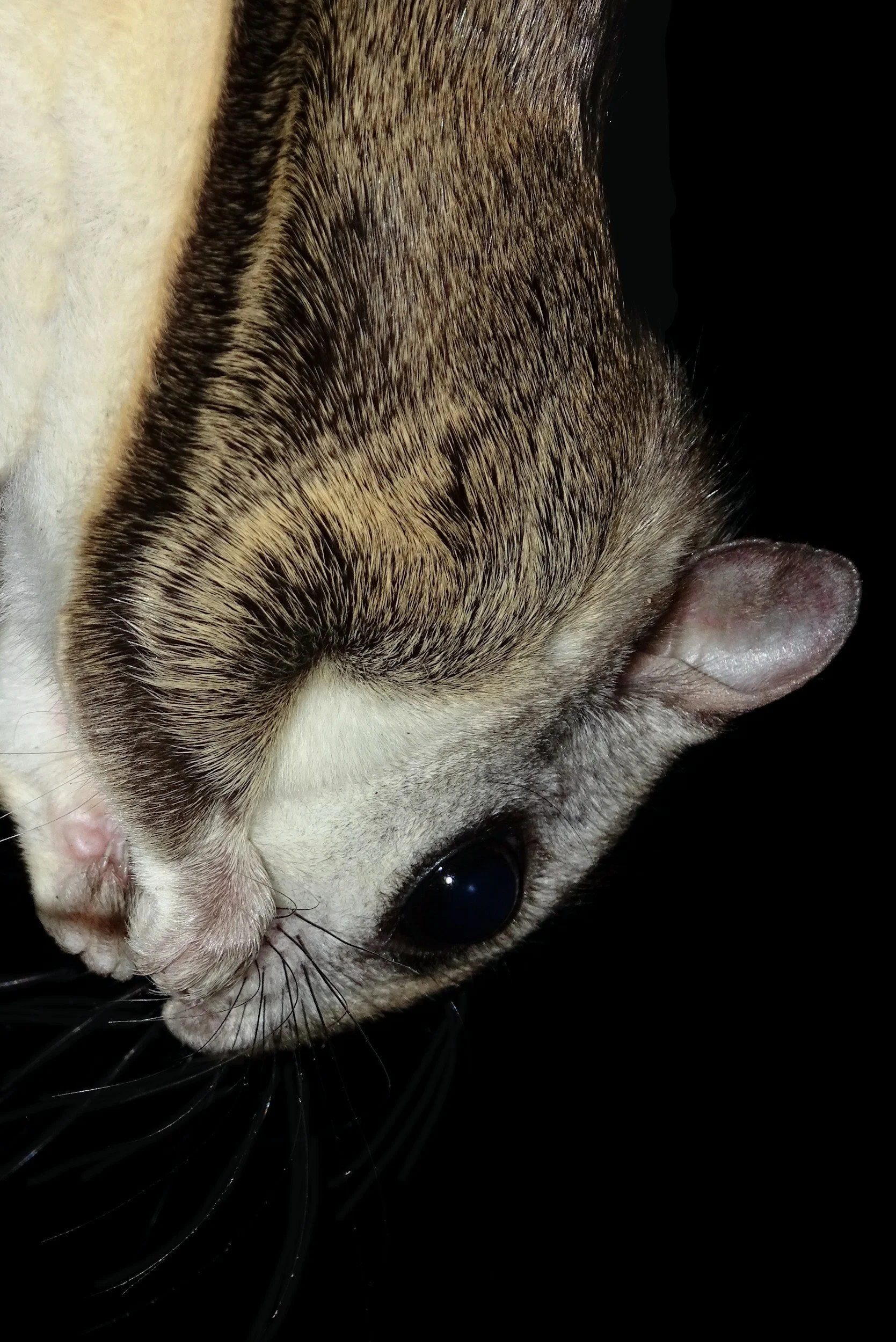
Flying squirrels aren’t rockets or tiny gliders from sci-fi; they’re real woodland creatures with a patagium, a stretchy flap of skin that turns them into airborne ninjas after dark. They don’t actually fly like birds, but they can glide up to about 45 meters between trees, flipping and twisting in mid-air with enviable squirrel skill. Most are nocturnal and shy, leaving their acrobatic shows mostly for night owl audiences.
What Flying Squirrels Need
Trees and Canopy Connectivity
These little gliders hate open ground; they need connected forest cover so they can launch, glide, and hide. That means:
Keeping large trees and older forest patches intact
Avoiding clearing big gaps in canopy cover
Leaving fallen logs and natural debris where it won’t be a safety issue
These features provide both shelter and highway networks for squirrels to cruise safely at night.
Food
Flying squirrels are not picky; they’re opportunistic omnivores. A yard with diverse native trees and shrubs does wonders:
Oak, maple, pine, and cedar supply seeds, nuts, and insect habitat
Fruit-bearing shrubs produce berries that flying squirrels enjoy
A messy forest floor with leaves and logs that support fungi and insects will help expand their food options
Planting native species also benefits a ton of other wildlife while helping keep these little squirrels fed.
Water
A clean water source like a shallow water garden tucked into sheltered shade can be inviting after a night of gliding. And if you do glimpse these secretive critters, consider logging your sighting on apps like iNaturalist; even a single observation helps scientists track populations and behavior.
Build a Cozy Spot: Nest Boxes
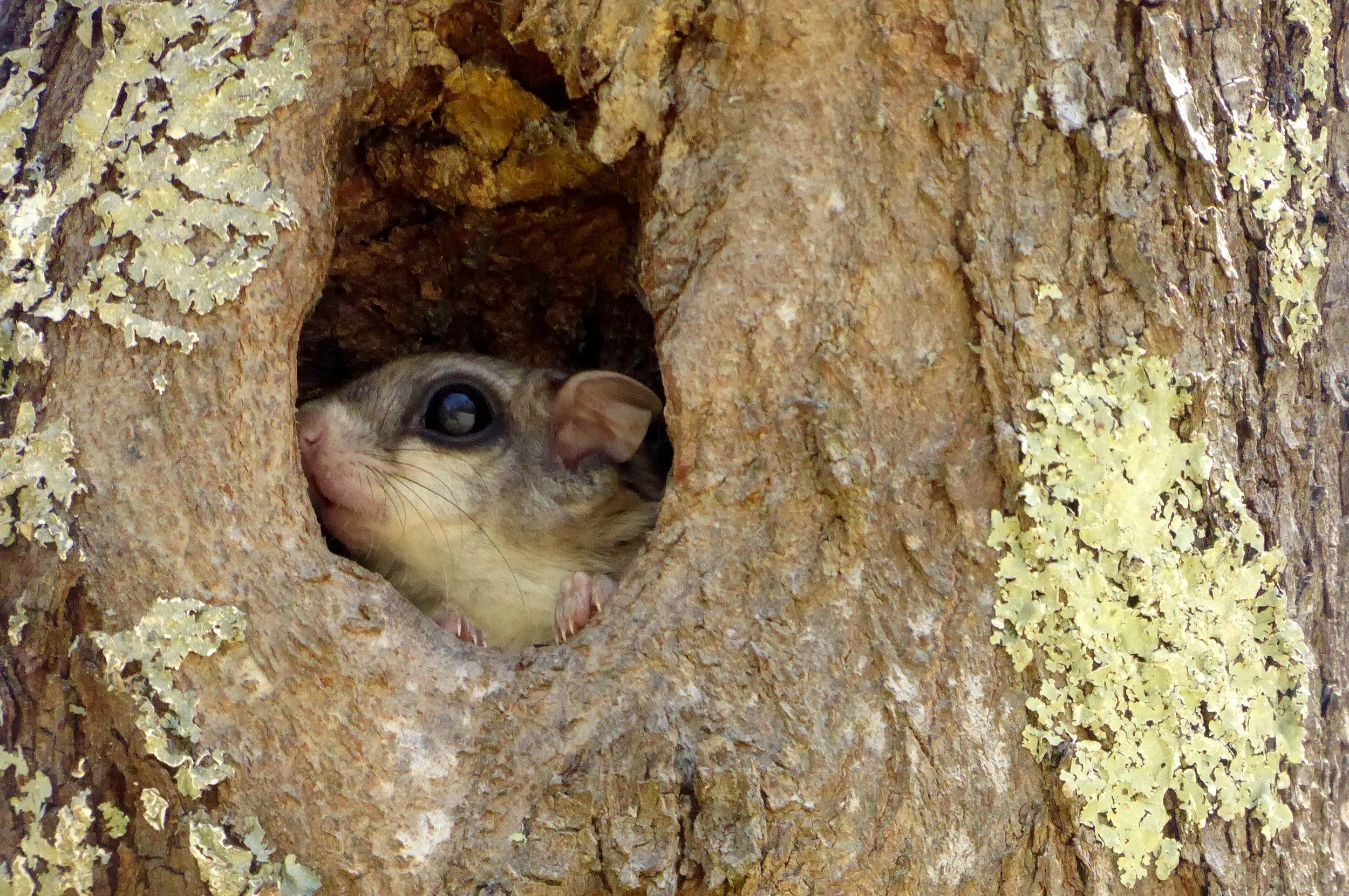
Flying squirrels naturally roost in tree cavities, but modern yards often lack enough old trees and logs. You can help by installing nest boxes:
Tips for squirrel-friendly boxes:
Use untreated softwood, so they stay breathable
Include climbing notches inside the box for little feet
Have a slanted, waterproof roof
Mount it 10–20 feet up, where branches help connect it to the canopy
Skip perches — they don’t need them and it reduces predator access
Some flying squirrels will even try bird or bluebird boxes if the entrance size and internal space work right.