

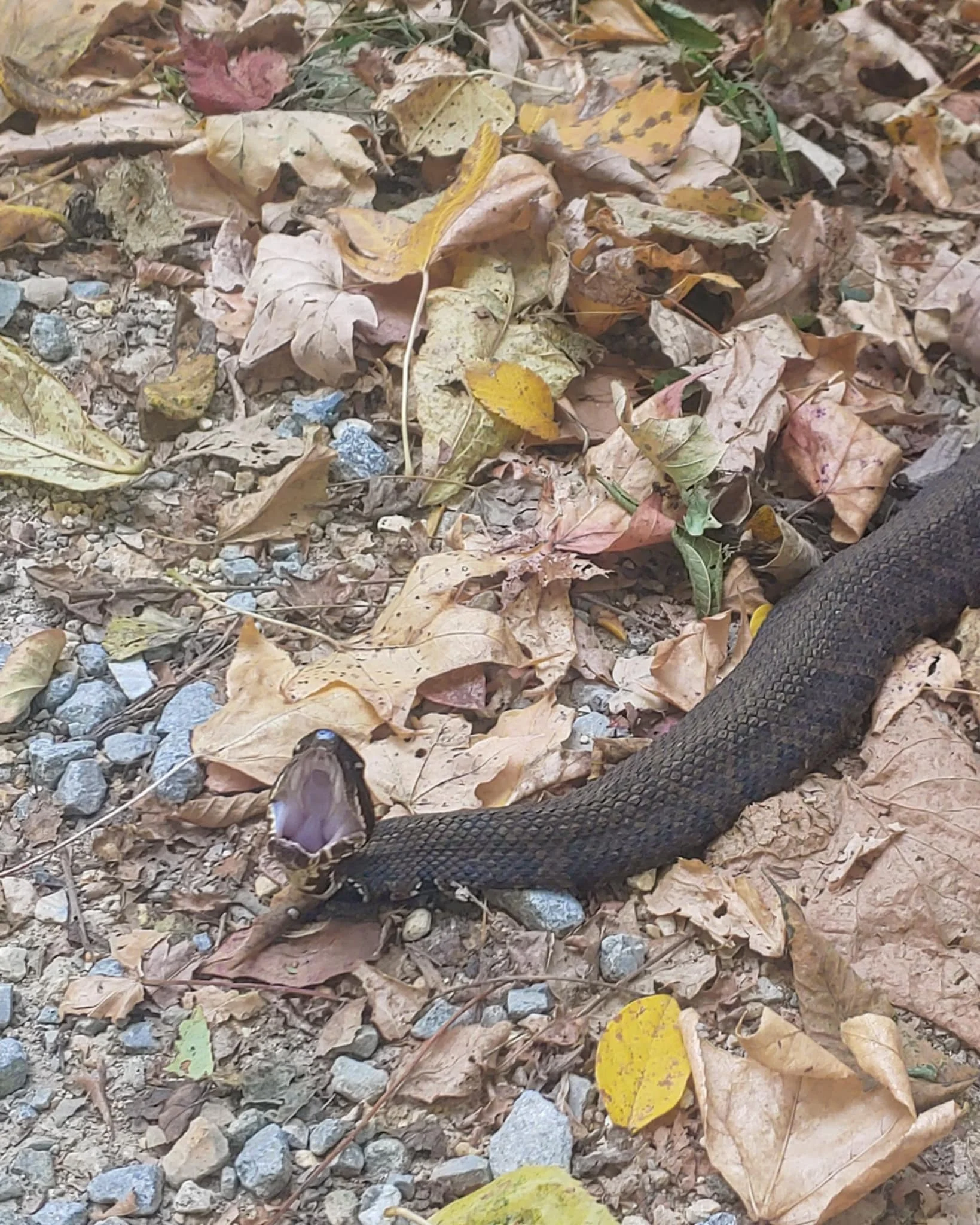
Venom in Reptiles
Venom did not evolve as a weapon for aggression. It evolved primarily as a feeding adaptation, a biochemical tool that allows predators to subdue prey quickly, safely, and with minimal energy expenditure. For many reptiles, particularly snakes, venom replaces physical struggle with chemistry.
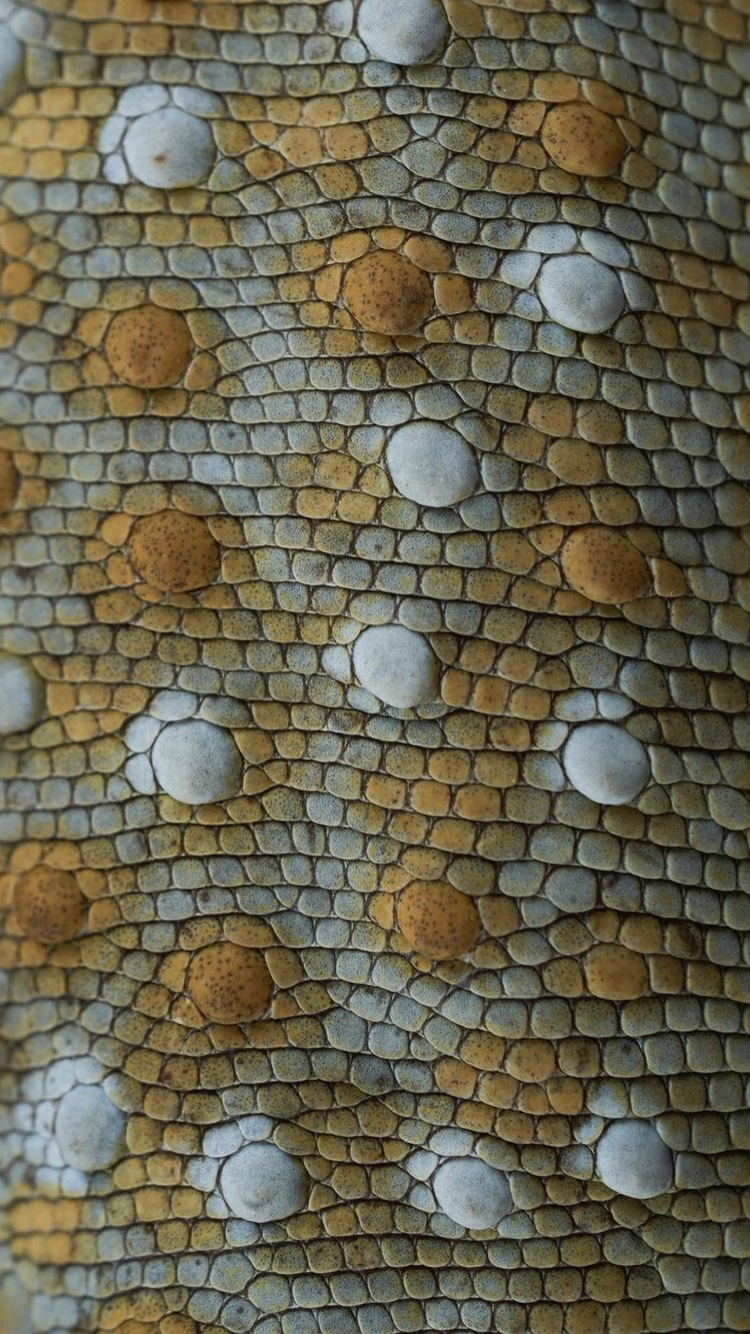
Why Do Reptiles Have Scales?
The development of keratinized scales created a protective barrier that drastically reduced evaporative water loss, opening the door to deserts, grasslands, and other arid ecosystems.
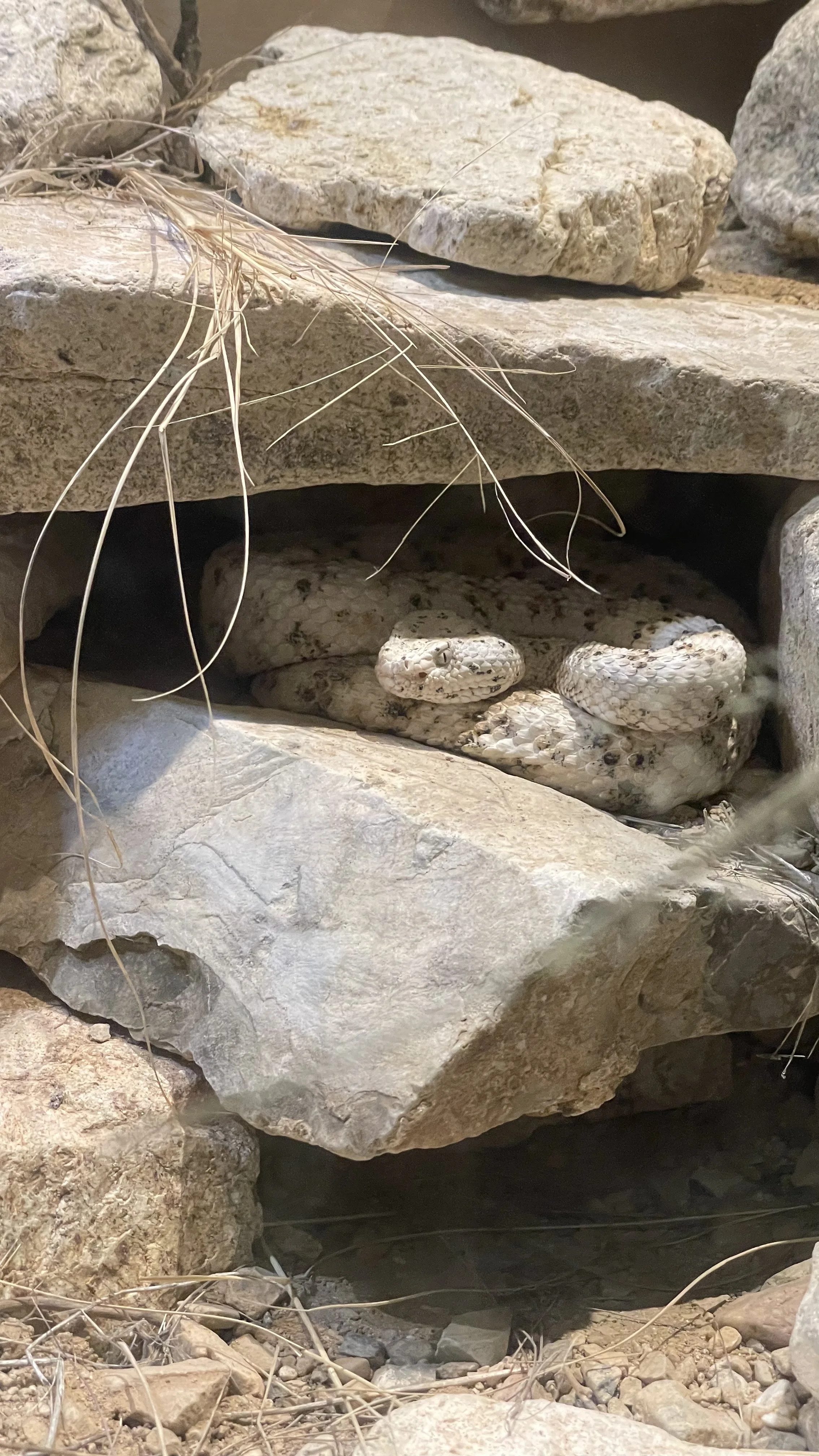
What “Cold-Blooded” Actually Means
Rather than being thermally passive, most herpetofauna actively regulate body temperature through precise behavioral choices, selecting microhabitats that allow them to remain within a narrow physiological sweet spot.
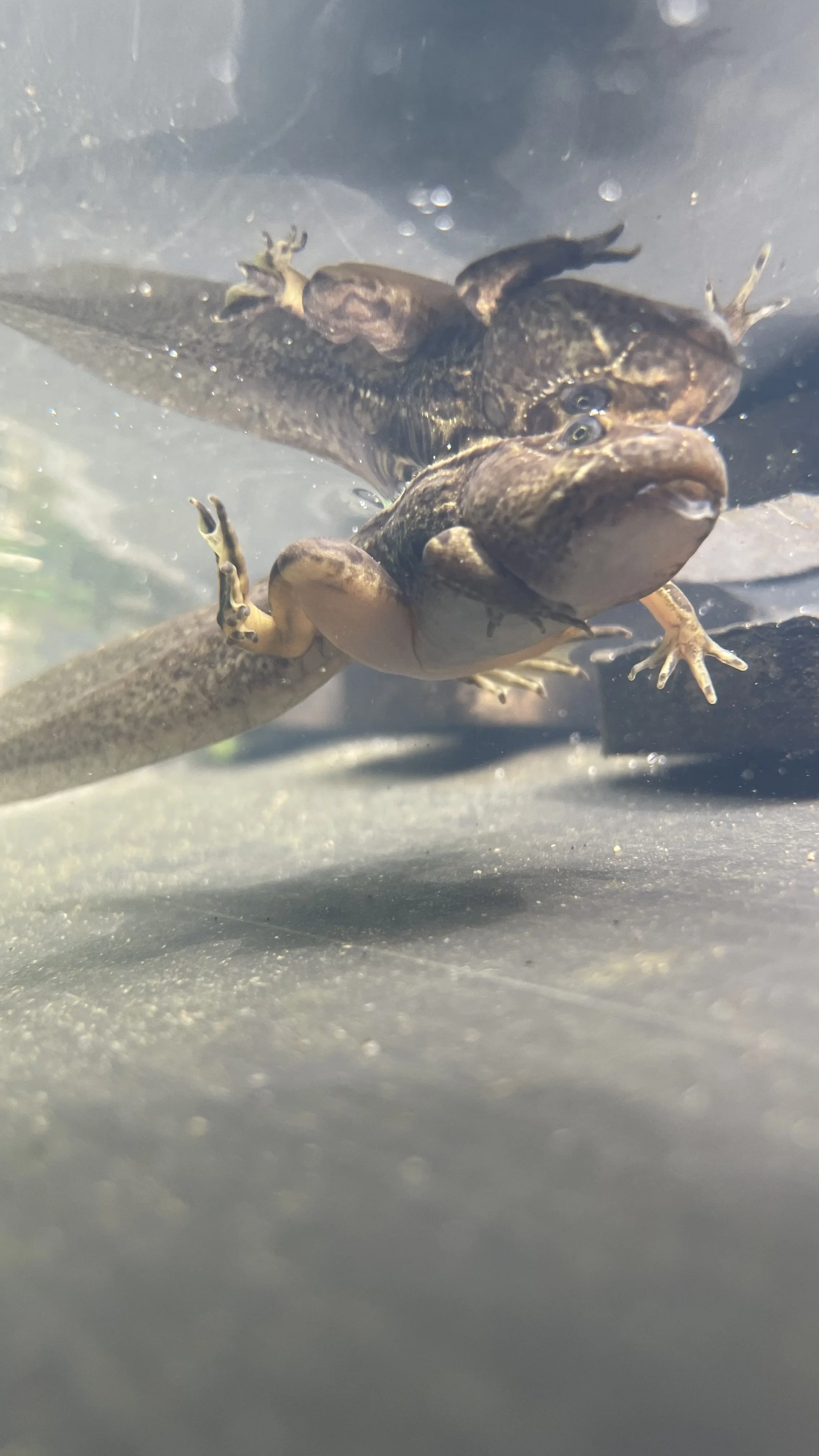
Amphibian Life Cycles & Metamorphosis
One of the defining features of amphibians is their biphasic life cycle, meaning their lives unfold across two fundamentally different ecological worlds. Most amphibians begin life in water as larvae specialized for aquatic feeding and respiration, then undergo a dramatic physiological reorganization that allows them to occupy terrestrial or semi aquatic environments as adults.
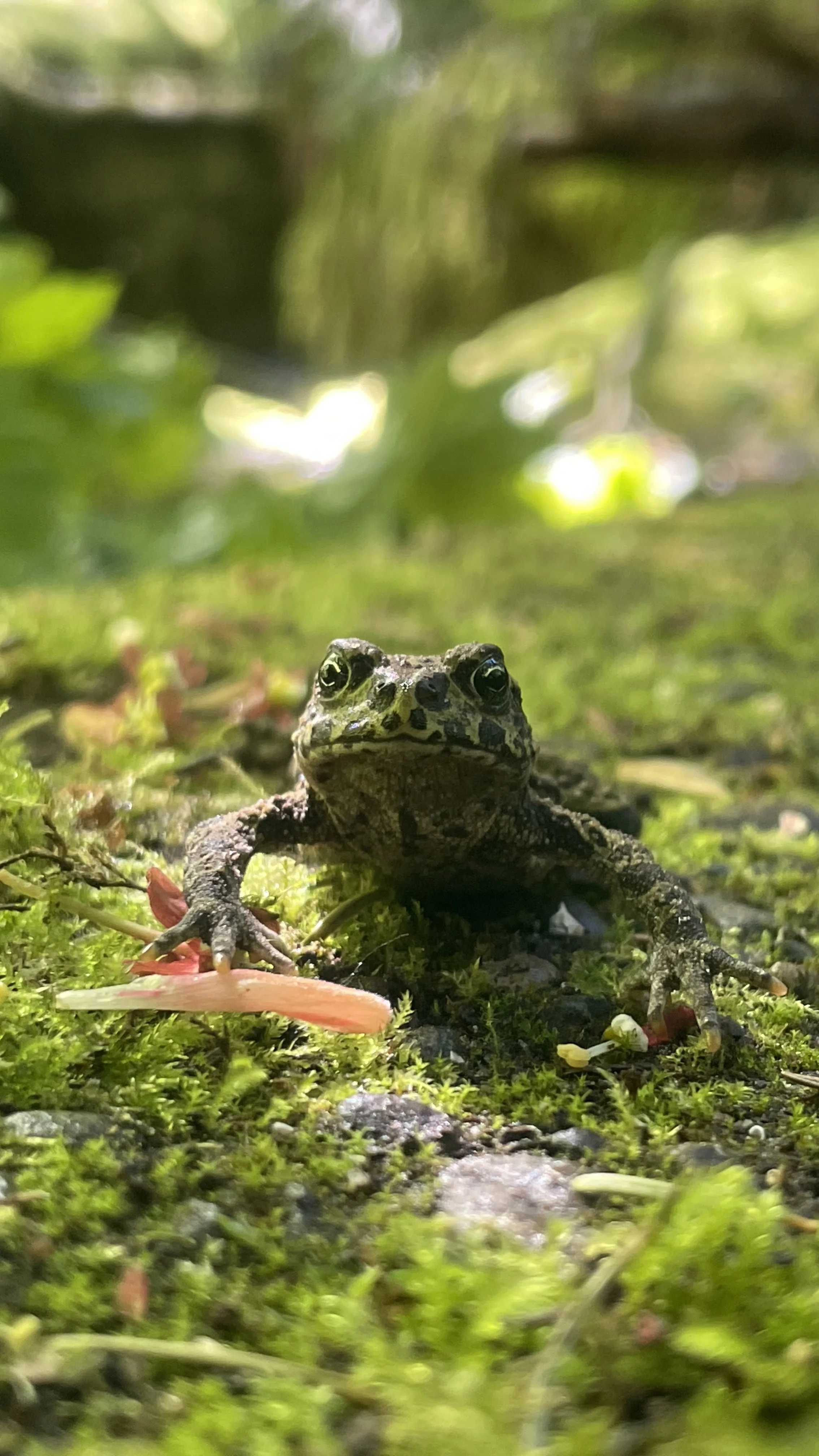
Amphibians vs Reptiles: Key Differences
Amphibians and reptiles are often grouped together because of their evolutionary history and ectothermic physiology, yet they represent two fundamentally different survival strategies shaped by water availability, skin physiology, reproduction, and metabolic constraints.