

Amphibians vs Reptiles: Key Differences
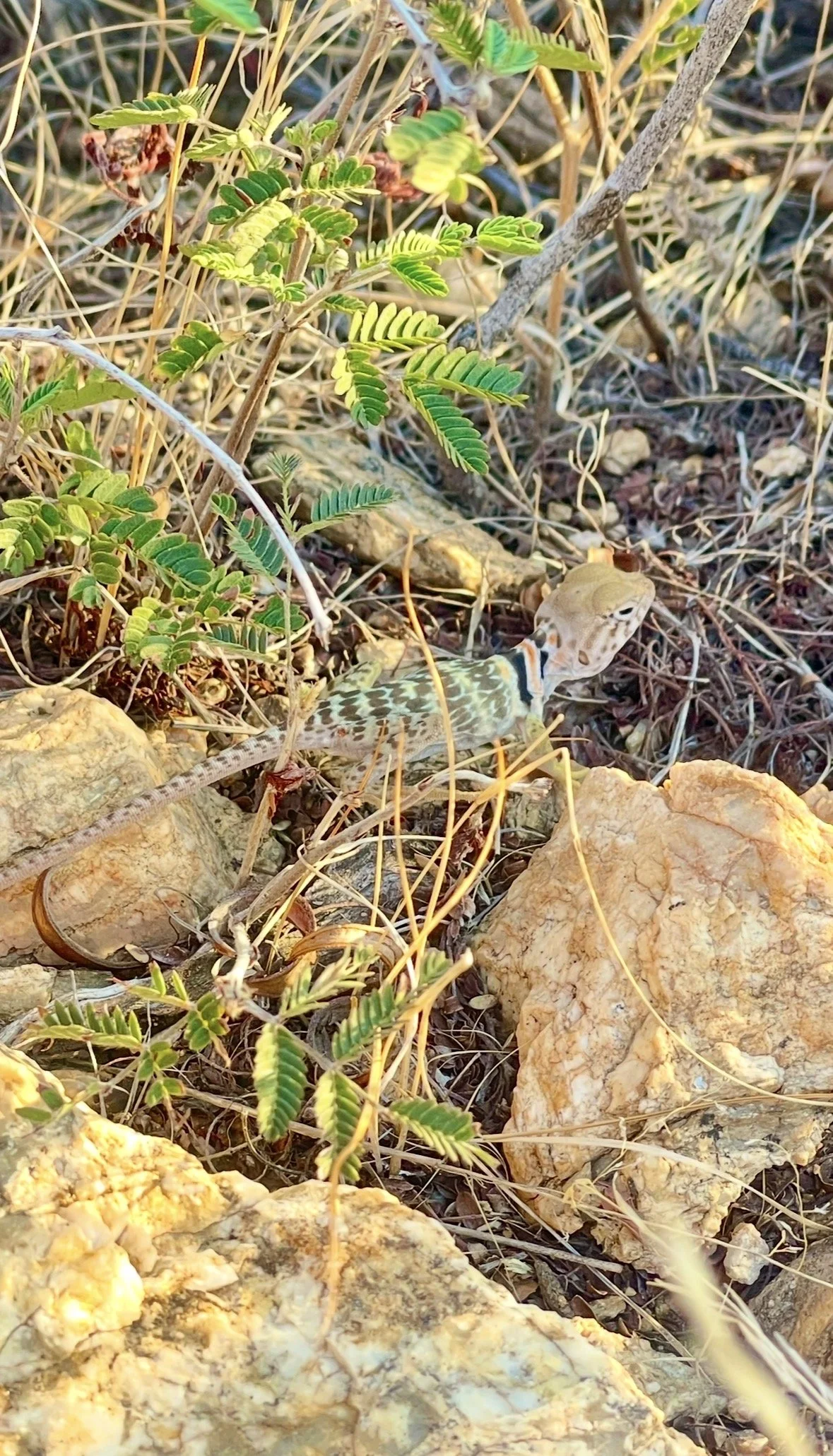
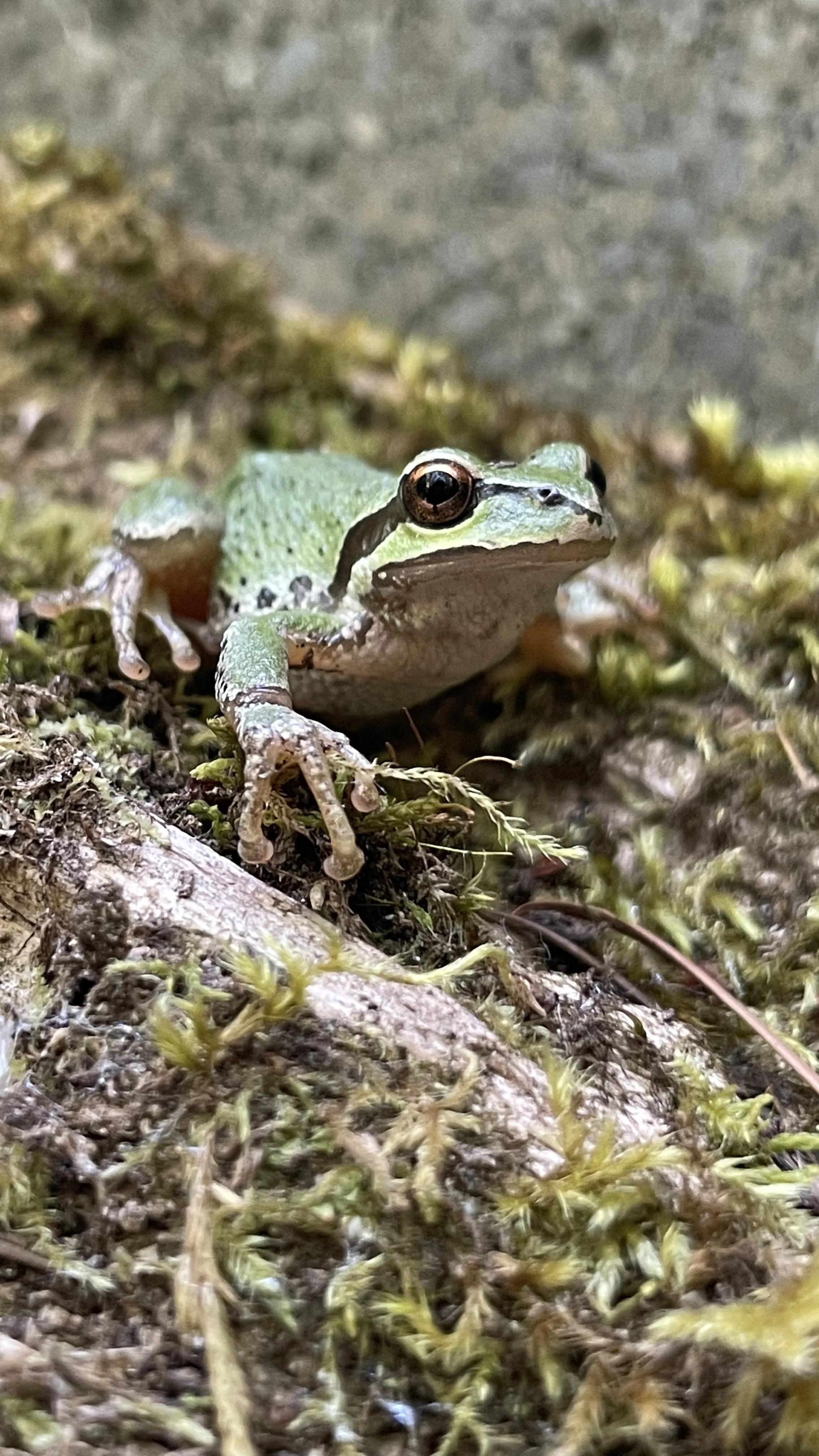
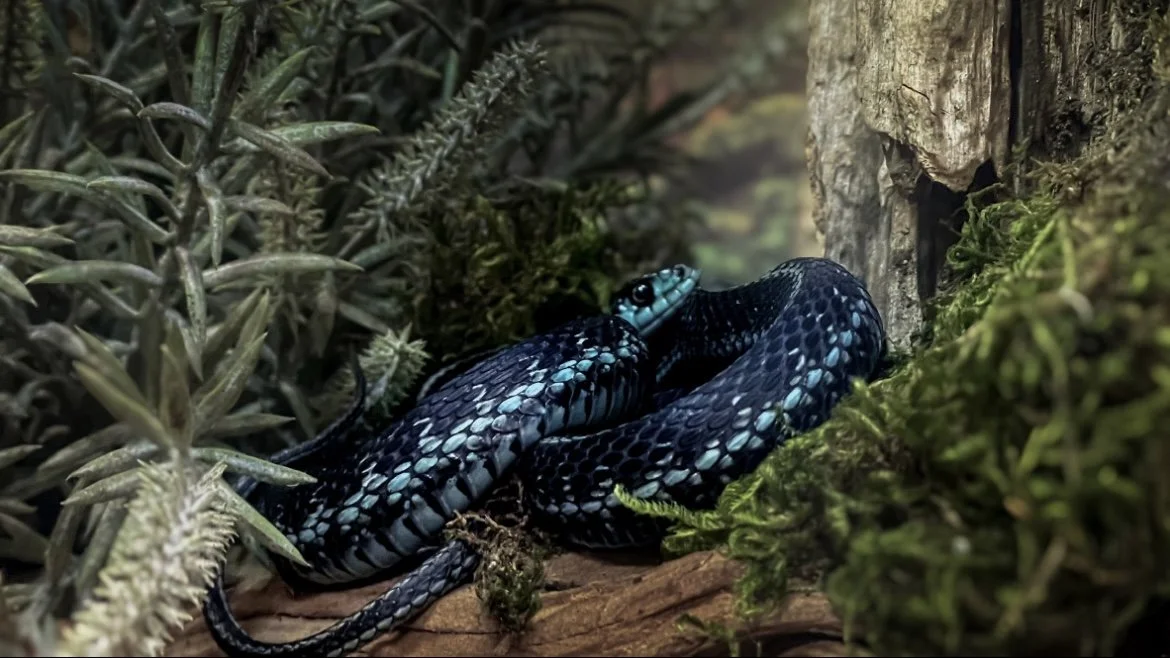
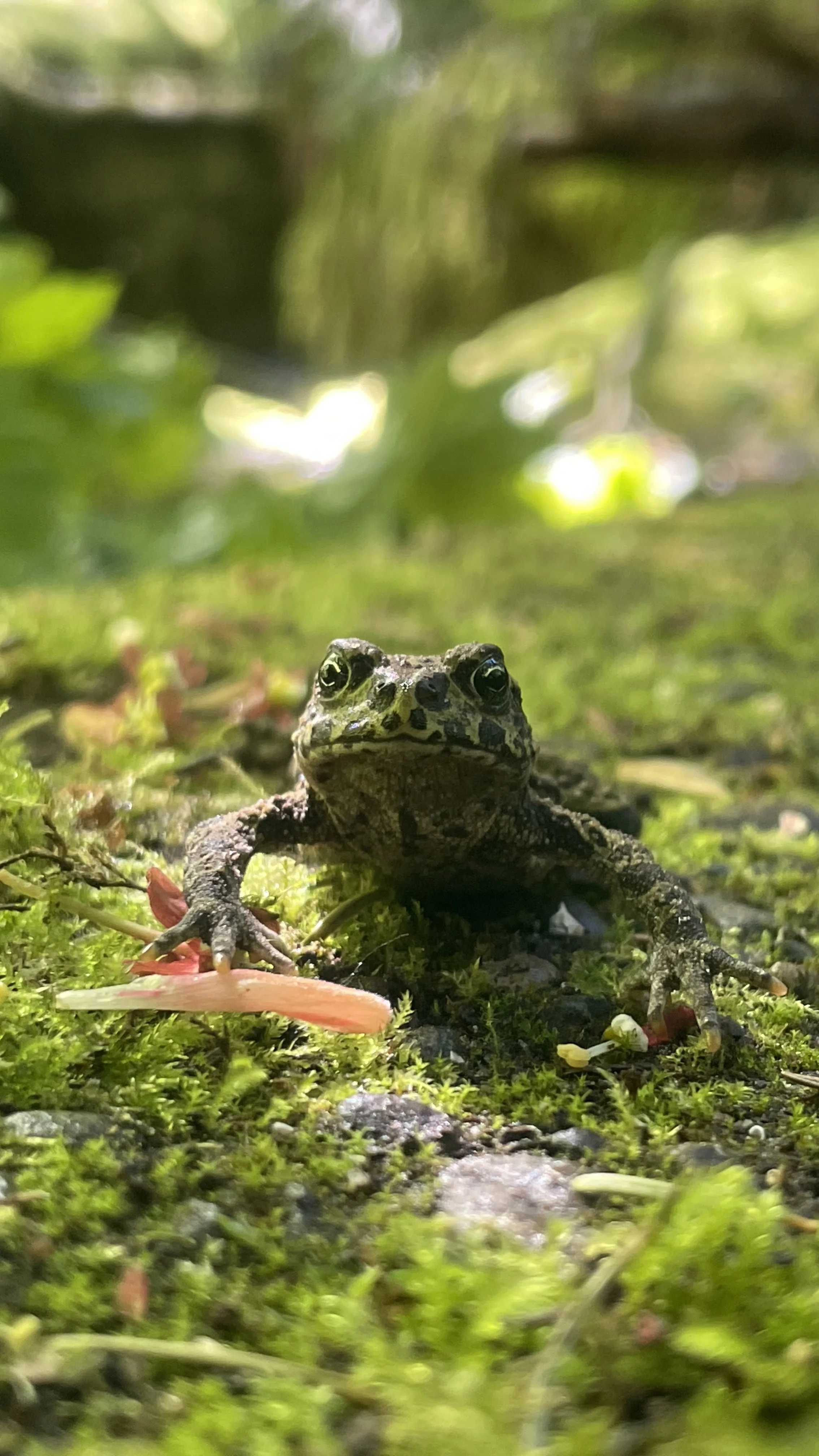
Amphibians and Reptiles: Shared Ancestry, Divergent Strategies
Amphibians and reptiles are often grouped together because of their evolutionary history and ectothermic physiology, yet they represent two fundamentally different survival strategies shaped by water availability, skin physiology, reproduction, and metabolic constraints.
Both groups evolved from early tetrapods that transitioned from aquatic to terrestrial life during the Devonian period. Amphibians retained strong physiological ties to water, while reptiles evolved structural and biochemical adaptations that allowed true independence from aquatic environments. This divergence explains nearly every major difference in anatomy, life history, and ecological niche between the two groups.
Understanding these differences is critical for interpreting habitat use, population vulnerability, and conservation strategies.
1. Skin Structure and Water Balance
Amphibians: Permeable, Respiratory, and Environmentally Coupled
Amphibian skin is thin, gland rich, and highly permeable to water and dissolved substances. It serves three major functions:
• gas exchange (cutaneous respiration)
• hydration
• ion regulation
Oxygen and carbon dioxide diffuse directly through the skin in many species, sometimes supplying over 50 percent of respiratory needs, especially in salamanders.
However, this permeability makes amphibians extremely sensitive to:
• dehydration
• pollutants
• temperature shifts
• pathogens such as chytrid fungi
Their survival is tightly linked to moist microhabitats and clean water sources.
Reptiles: Keratinized and Water Conserving
Reptile skin is thick, dry, and covered in keratinized scales or scutes. These structures:
• dramatically reduce water loss
• provide mechanical protection
• limit gas exchange
Because reptiles cannot rely on skin breathing, they depend entirely on lungs for respiration.
This adaptation allowed reptiles to colonize arid, open, and highly seasonal environments where amphibians cannot persist.
2. Reproduction and Development
Amphibians: Aquatic or Moist Dependent Reproduction
Most amphibians lay:
• jelly coated eggs lacking shells
• in water or damp substrates
These eggs:
• readily absorb water
• lack protection from drying
• are vulnerable to temperature and pollution
Larvae (tadpoles, aquatic larvae of salamanders) are typically:
• fully aquatic
• gill breathing
• morphologically distinct from adults
Metamorphosis transforms larvae into air breathing terrestrial or semi aquatic adults through hormone driven restructuring of organs, limbs, and digestive systems.
This biphasic life cycle links amphibians to both aquatic and terrestrial ecosystems.
Reptiles: Fully Terrestrial Reproductive Systems
Reptiles evolved the amniotic egg, which contains:
• a protective leathery or calcified shell
• membranes for gas exchange and waste storage
• internal nutrient supply
This allows embryos to develop completely on land.
Most reptiles hatch as miniature versions of adults, eliminating the need for an aquatic larval stage.
This single life stage strategy reduces dependence on standing water and lowers predation risk during development.
3. Thermoregulation and Metabolic Strategy
Both amphibians and reptiles are ectothermic (externally regulated body temperature), but they manage heat differently due to their skin and habitat needs.
Amphibians:
• lose water rapidly in heat
• often avoid direct sunlight
• rely on shaded, cool, moist environments
Their activity peaks at moderate temperatures and high humidity.
Reptiles:
• bask openly in sunlight to raise body temperature
• behaviorally regulate heat by moving between sun and shade
• tolerate far wider thermal ranges
This enables reptiles to occupy deserts, grasslands, rocky outcrops, and savannas.
4. Ecological Roles and Sensitivity
Amphibians: Ecosystem Indicators
Because of permeable skin, aquatic development, and environmental coupling, amphibians respond rapidly to:
• chemical pollution
• habitat fragmentation
• climate change
• disease outbreaks
Global amphibian declines are among the fastest documented vertebrate losses on Earth.
Their population trends often signal ecosystem degradation before other species are affected.
Reptiles: Long Lived Stability Specialists
Many reptiles:
• grow slowly
• mature late
• live decades
This makes populations resilient to short term fluctuations but vulnerable to:
• habitat destruction
• road mortality
• over collection
Reptiles often regulate prey populations (rodents, insects) and serve as key mesopredators.
Key Definitions
Ectothermic
Organisms that regulate body temperature primarily through environmental heat sources rather than internal metabolism.
Cutaneous respiration
Gas exchange occurring directly through the skin, common in amphibians.
Amniotic egg
A terrestrial egg containing specialized membranes that protect and nourish the embryo.
Metamorphosis
Hormone driven transformation from larval to adult body form in amphibians.
Keratinization
The process of forming tough, waterproof protein layers in reptile skin.
Indicator species
Species whose population health reflects environmental conditions.
Activity: Habitat Constraint Investigation
Choose one amphibian species and one reptile species in your region
Research or observe:
preferred habitat type
moisture levels
temperature range
activity time (day/night)
Create a comparison table:
Skin type
Reproduction site
Temperature strategy
Habitat limitations
Answer:
Why would moving each species into the other’s habitat reduce survival?