

Amphibian Life Cycles & Metamorphosis
From Aquatic Larvae to Terrestrial Predators
One of the defining features of amphibians is their biphasic life cycle, meaning their lives unfold across two fundamentally different ecological worlds. Most amphibians begin life in water as larvae specialized for aquatic feeding and respiration, then undergo a dramatic physiological reorganization that allows them to occupy terrestrial or semi aquatic environments as adults. This strategy evolved as a way to exploit productive freshwater habitats for early growth while reducing competition between juveniles and adults, but it also tightly links amphibians to both aquatic and terrestrial ecosystems, making them highly sensitive to environmental change.
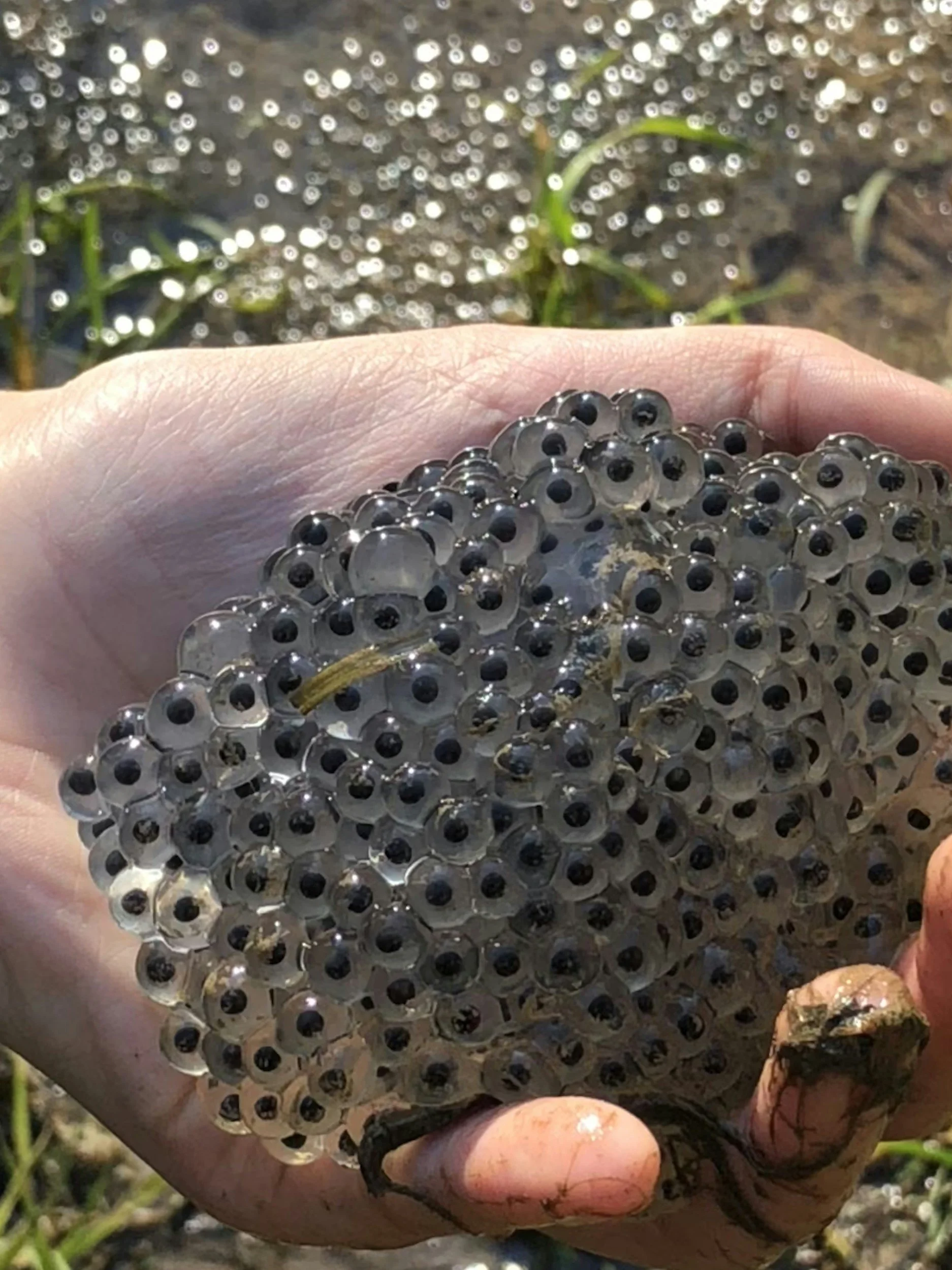
Amphibian development typically begins with externally laid eggs deposited in water or in moist environments near water sources. Unlike the shelled eggs of reptiles and birds, amphibian eggs are enclosed in soft, gelatinous capsules that allow oxygen, carbon dioxide, and water to pass freely between the embryo and the surrounding environment. This permeability supports gas exchange but also leaves embryos vulnerable to temperature fluctuations, pollutants, fungal infections, and low oxygen conditions. Substances dissolved in the water, including agricultural chemicals and heavy metals, can easily diffuse into developing embryos and interfere with normal growth. Because of this, egg survival is often one of the most fragile points in the amphibian life cycle.
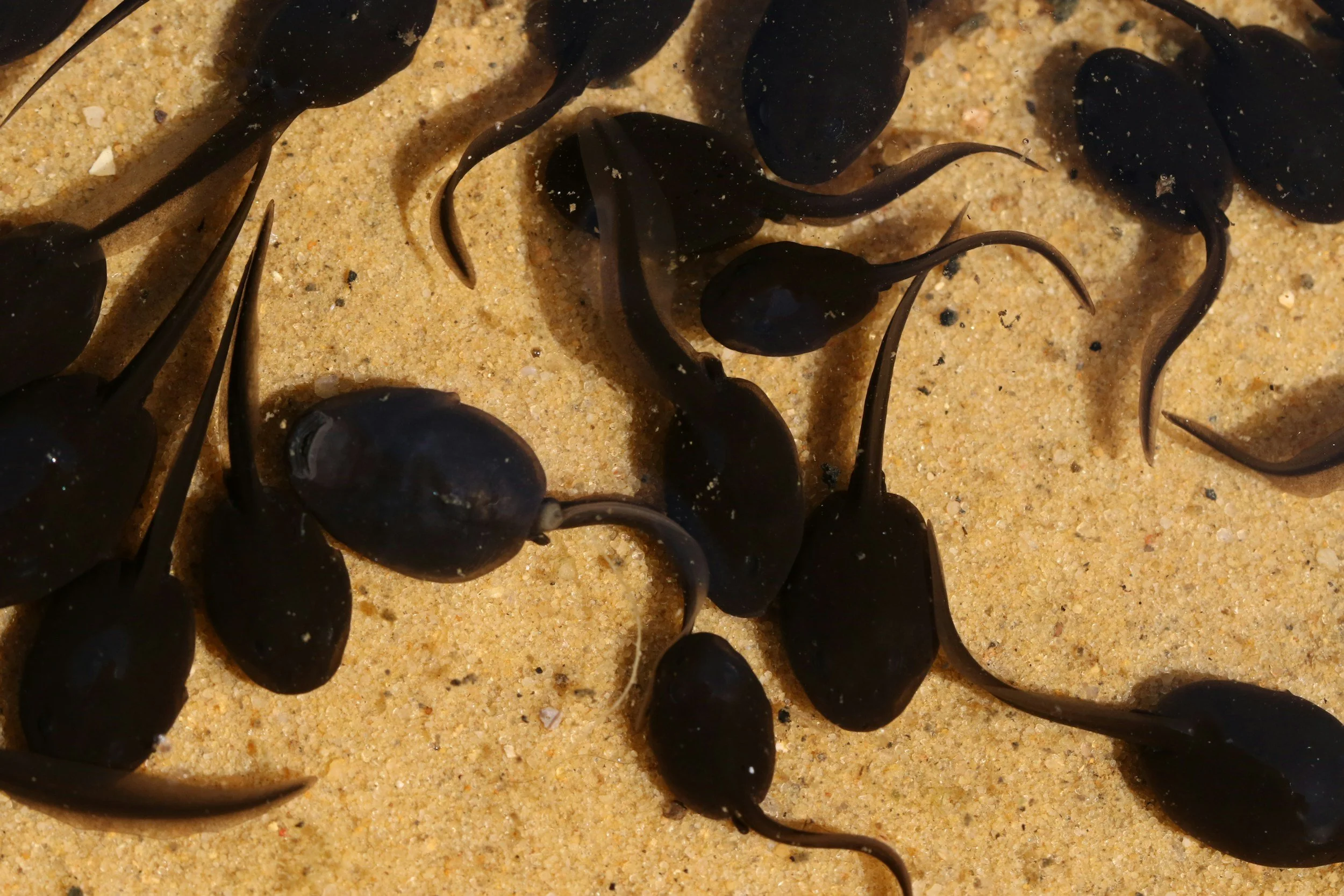
After hatching, most species enter a larval stage commonly referred to as the tadpole phase in frogs and to aquatic juvenile forms in salamanders. Larvae are fully adapted to life in water. They typically breathe using external or internal gills, possess long tails for swimming, and feed primarily on algae, detritus, or microscopic organisms, though some species are omnivorous or even predatory. This feeding strategy allows larvae to convert plant based energy and organic debris into animal biomass, making them a crucial link in aquatic food webs. Tadpoles help regulate algal growth, recycle nutrients, and provide food for fish, insects, birds, and other amphibians.
During this period, the larval body is focused almost entirely on rapid growth and energy storage. Organs such as the digestive system are structured to process plant material efficiently, and metabolic resources are directed toward increasing body size rather than preparing for reproduction or terrestrial life. The success of this stage depends heavily on stable water availability, adequate food resources, and low exposure to pollutants or predators. Temporary ponds that lack fish often serve as ideal breeding habitats, but their short lifespan also creates intense pressure for larvae to grow quickly before the water disappears.
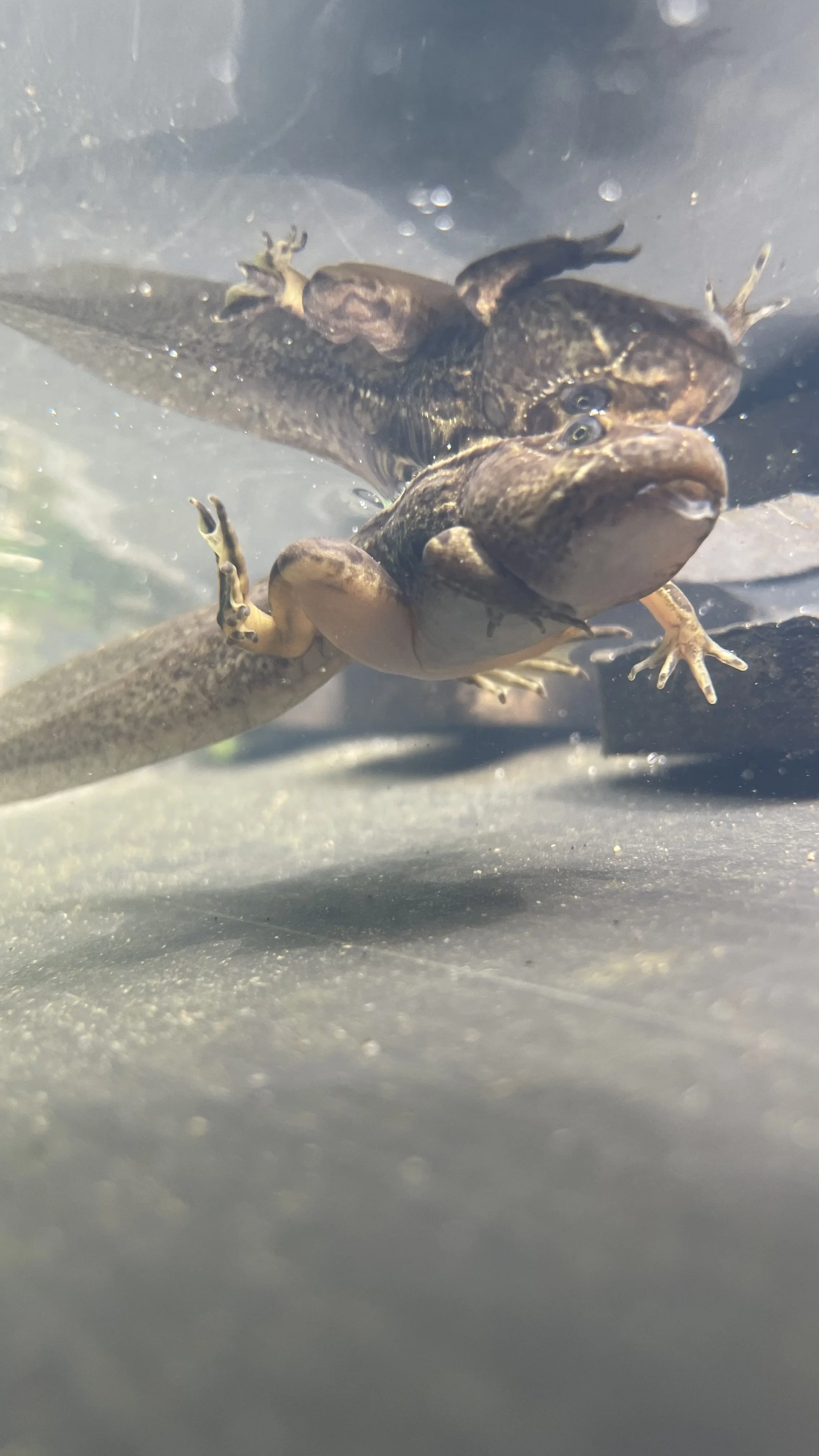
The transition from larva to adult occurs through metamorphosis, one of the most dramatic transformations found in vertebrate biology. This process is controlled by thyroid hormones, primarily thyroxine (T4) and triiodothyronine (T3), which trigger a cascade of cellular changes throughout the body. Rather than simply adding new features, metamorphosis dismantles larval structures and replaces them with adult ones. The tail is gradually reabsorbed and its tissues recycled as energy. Limbs develop to support movement on land. Gills are broken down while lungs form for air breathing. The skull reshapes, jaw muscles strengthen, and the digestive tract shortens to accommodate a carnivorous diet.
Internally, organ systems are reprogrammed. The kidneys adjust to conserve water more efficiently outside of aquatic environments. Skin thickens slightly while developing specialized glands for moisture control and defense chemicals. Enzyme systems in the gut shift from breaking down plant matter to digesting protein and fat from insects and other prey. This entire transformation requires enormous energy and precise hormonal timing. Even small disruptions in thyroid signaling, caused by pollutants such as pesticides or industrial chemicals, can lead to malformed limbs, incomplete lung development, or failure to complete metamorphosis altogether.
Metamorphosis is also one of the most dangerous periods of an amphibian’s life. Individuals are simultaneously losing aquatic adaptations while not yet fully equipped for terrestrial survival. Their mobility is limited, their energy reserves are stretched thin, and they are especially vulnerable to predation and environmental stress. Drying ponds, sudden temperature changes, or reduced food availability during this window can result in massive die offs.
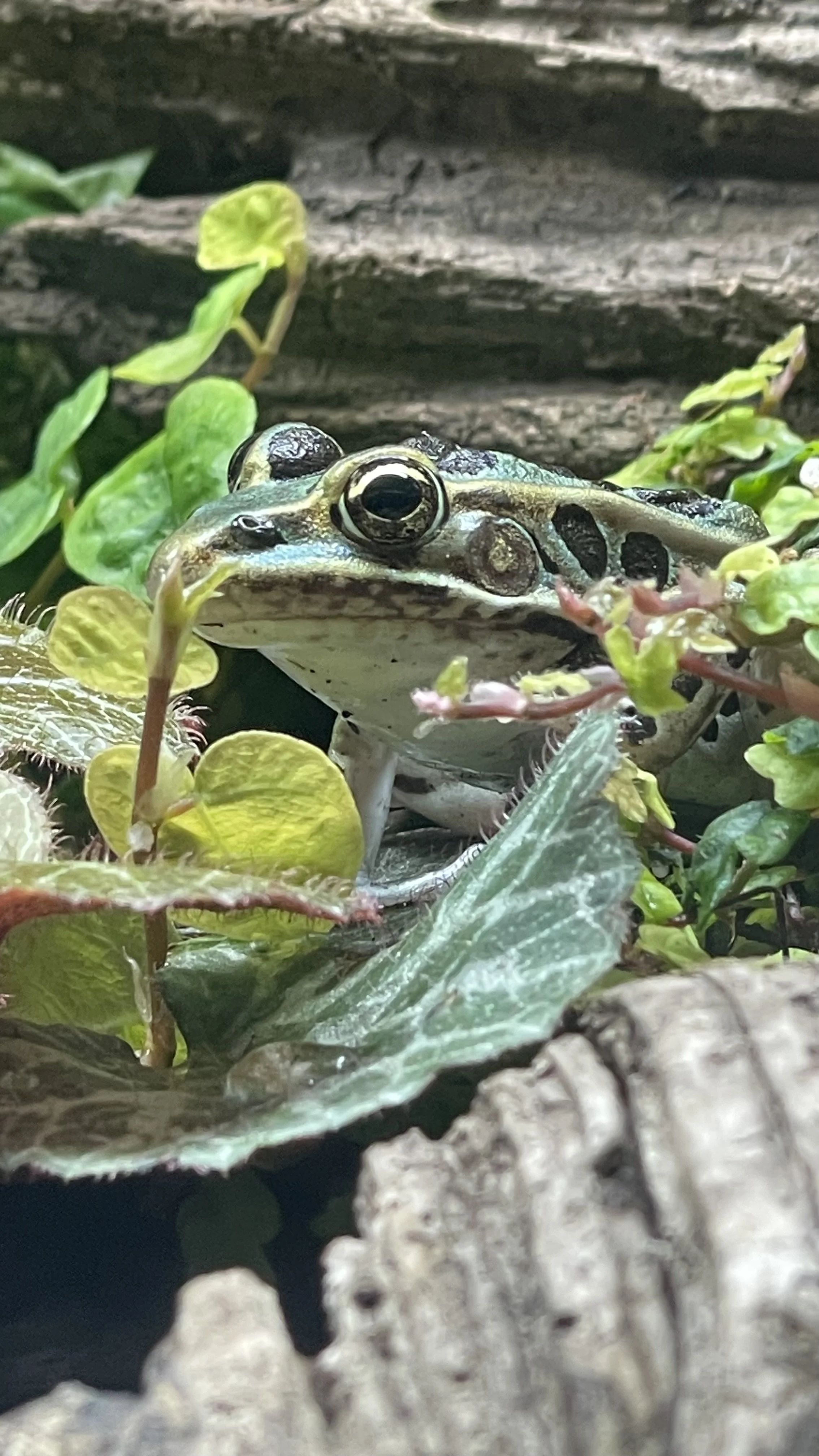
Once metamorphosis is complete, amphibians emerge as juveniles that closely resemble adults in body form but are typically much smaller and sexually immature. Most species shift into terrestrial or semi aquatic habitats, though many remain closely tied to moisture and return to water to breed. Adults function as predators within their ecosystems, consuming large numbers of insects and other invertebrates, helping regulate prey populations, and serving as prey themselves for birds, mammals, reptiles, and fish. Through their movement between aquatic and terrestrial environments, amphibians also transport nutrients across ecosystem boundaries, linking ponds, forests, and wetlands in subtle but important ways.
While the classic egg to tadpole to adult pathway is common, amphibian life cycles display remarkable diversity. Some species exhibit direct development, in which embryos develop fully within the egg and hatch as miniature adults, bypassing the free swimming larval stage altogether. This strategy is common in moist tropical forests where standing water is limited but humidity remains high. Other species, such as axolotls, exhibit neoteny, retaining larval traits like gills into adulthood while still becoming reproductively mature. In colder climates, some tadpoles overwinter in ponds and delay metamorphosis until the following spring, extending the larval phase to take advantage of seasonal resources.
Key Definitions
Biphasic life cycle: A developmental pattern involving two ecologically distinct life stages, typically aquatic larva and terrestrial adult.
Metamorphosis: A hormonally controlled transformation that reorganizes anatomy, physiology, and behavior from larval to adult form.
Thyroid hormones (T3 and T4): Endocrine regulators responsible for initiating and coordinating amphibian metamorphosis.
Neoteny: Retention of juvenile characteristics into sexual maturity.
Direct development: A life cycle in which larvae develop inside the egg and hatch as fully formed juveniles.
Learning Activity: Habitat Stability and Metamorphosis
Have learners imagine three ponds: one that dries in two months, one that lasts through summer, and one that remains year round. Ask them to predict which species could successfully complete metamorphosis in each pond and why. Then introduce stress factors such as pollution runoff, drought, or invasive fish and discuss how each would alter survival outcomes. This mirrors real ecological pressures amphibians face and highlights why wetland conservation is critical.