

What “Cold-Blooded” Actually Means

Ectothermy and Energy Strategy
Reptiles and amphibians are ectotherms, meaning their body temperature is primarily regulated by environmental heat rather than internal metabolic heat production. This strategy allows them to survive on far less energy than mammals and birds, giving them an evolutionary advantage in resource-limited environments. However, it also means that temperature directly controls their metabolism, movement, digestion, immune function, and reproductive success.
Rather than being thermally passive, most herpetofauna actively regulate body temperature through precise behavioral choices, selecting microhabitats that allow them to remain within a narrow physiological sweet spot.
The Thermal Performance Window
Each species operates within a preferred temperature range known as the thermal performance window. Within this range, enzymes function efficiently, muscles contract powerfully, and neurological processes run smoothly. As body temperature rises toward the upper end of this window, activity levels and feeding efficiency typically increase.
Outside this range, biological performance rapidly declines. Cooler temperatures slow digestion and movement, increasing predation risk. Excessive heat can disrupt cellular proteins and nervous system function, leading to physiological collapse.
This narrow performance range explains why reptiles bask in sunlight, retreat to shade, and move between warm and cool zones throughout the day.
Behavioral Thermoregulation in Action
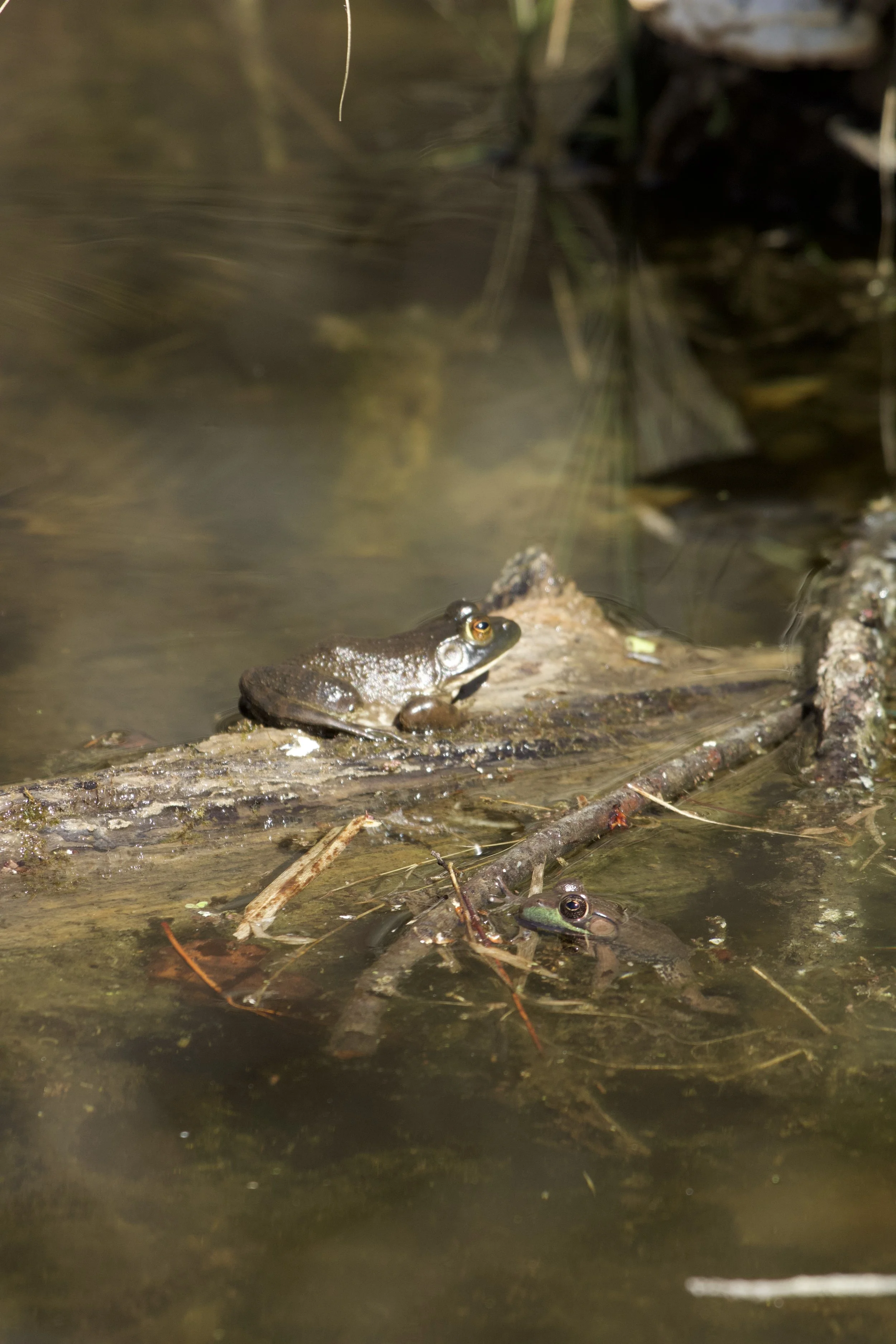
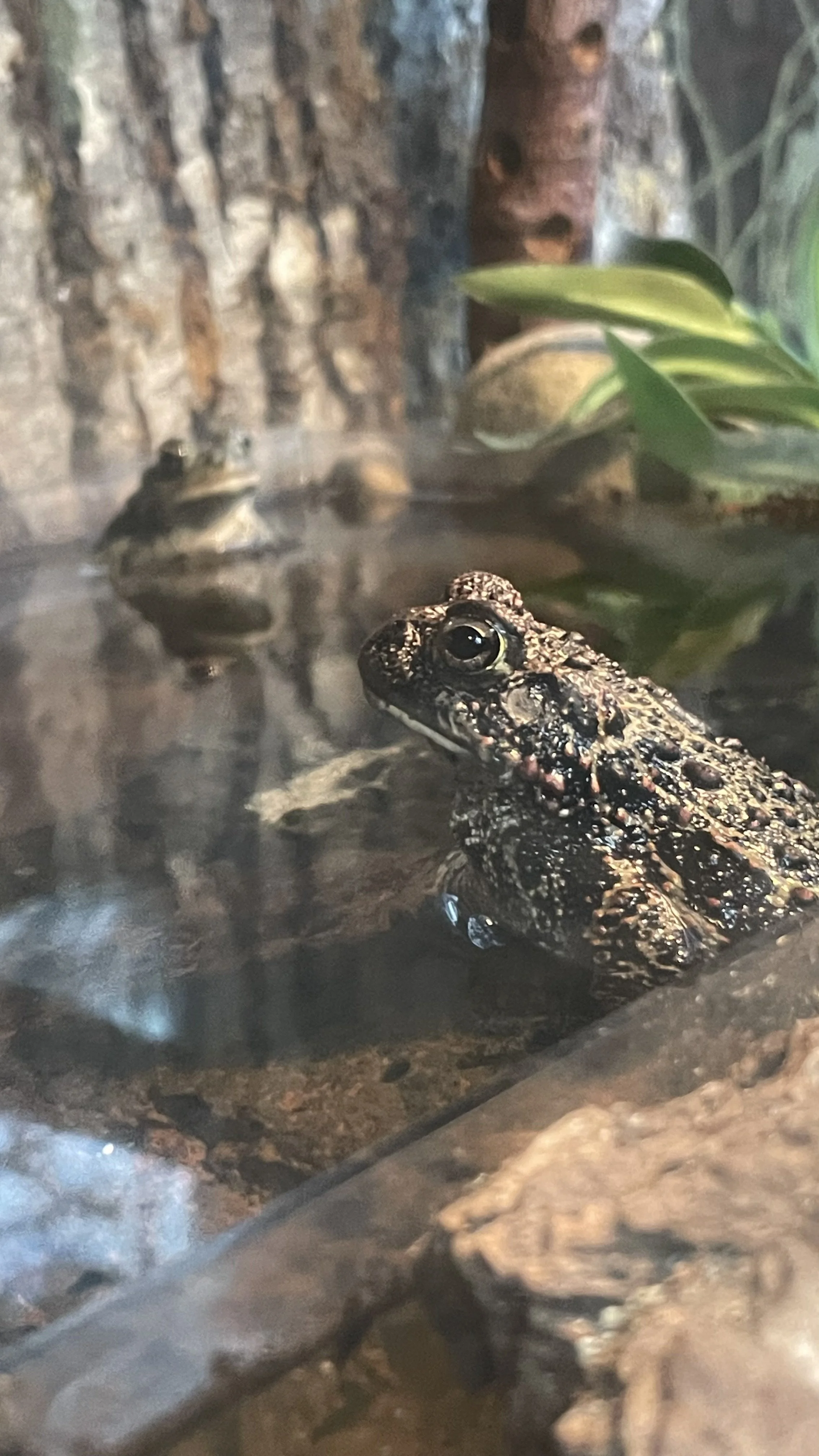
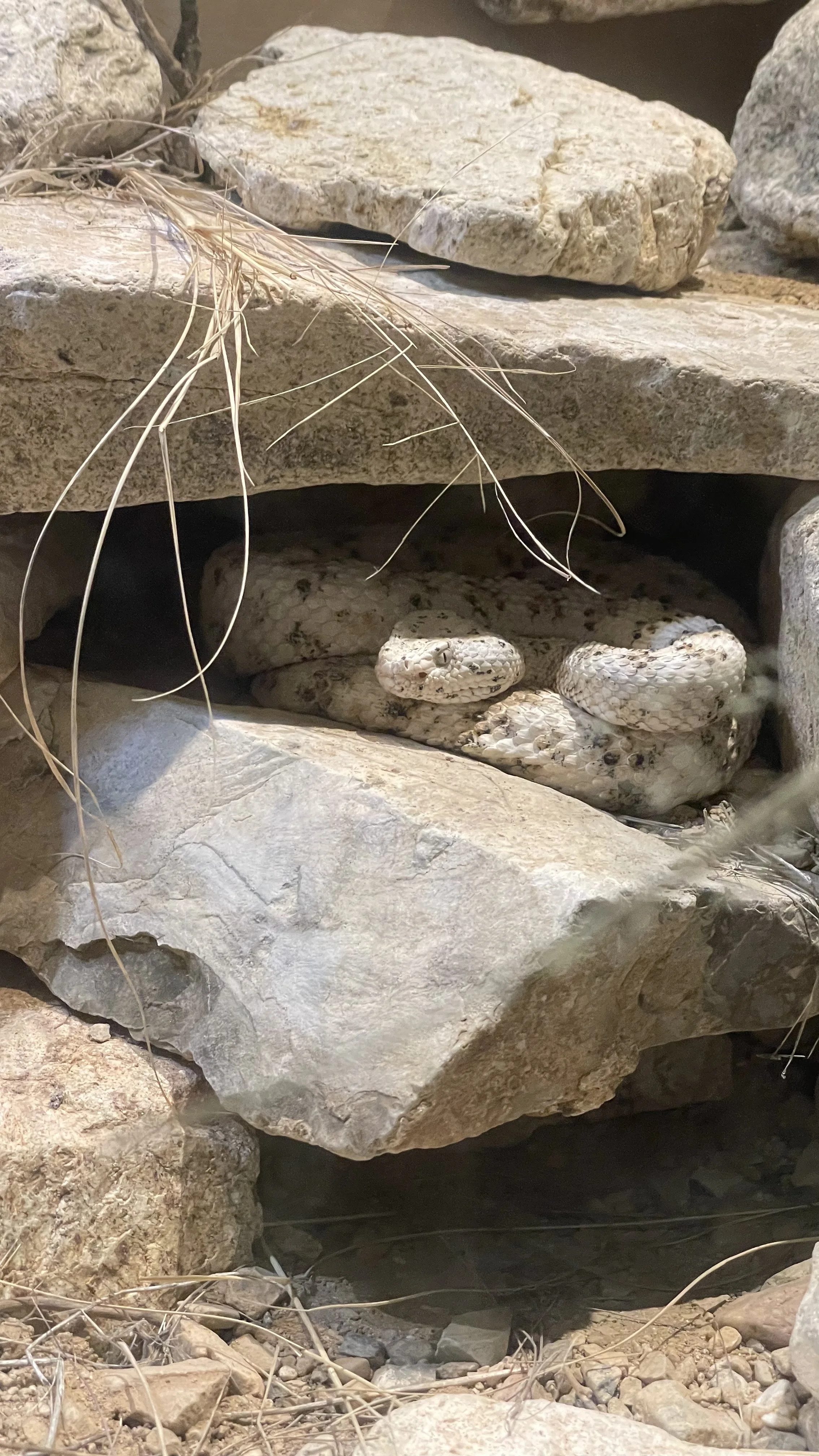
Basking is one of the most visible thermoregulatory behaviors, but it is only one part of a complex thermal strategy. Lizards rotate between sun-exposed rocks and shaded crevices. Snakes warm themselves on road surfaces or rock outcrops before becoming active hunters. Amphibians select moist substrates, cool streams, or forest cover to balance hydration with temperature needs.
Many species make dozens of micro-adjustments each day, carefully fine-tuning body temperature in response to environmental conditions.
Temperature and Physiological Performance
Body temperature directly influences nearly every biological process. Warmer temperatures within the optimal range accelerate metabolic reactions, improve muscle strength, increase digestion efficiency, and enhance immune responses. Cooler temperatures slow these processes dramatically.
For amphibian larvae, temperature affects growth rate and timing of metamorphosis. Warmer waters often speed development but may reduce body size and survival if food availability is limited.
For reptiles, digestion after feeding is strongly temperature dependent, which is why snakes often bask after consuming prey.
Survival Limits and Extreme Adaptations
Beyond their optimal temperature range lie critical thermal limits. Excessive heat can denature proteins and damage tissues, while extreme cold can halt cellular processes.
Some northern amphibians exhibit freeze tolerance, allowing large portions of their bodies to freeze solid during winter while protecting vital organs using glucose and antifreeze compounds. Most reptiles avoid freezing entirely by retreating to insulated underground refuges or deep water.
These strategies highlight how tightly temperature is tied to survival.
Reproduction and Climate Sensitivity
Temperature also shapes reproduction. Many reptiles exhibit temperature-dependent sex determination, where incubation temperature determines whether offspring become male or female. Even slight climate shifts can skew population sex ratios.
In amphibians, temperature affects egg development, larval growth, metamorph timing, and juvenile survival. Altered thermal conditions can disrupt entire breeding cycles.
Thermoregulation in a Warming World
Climate change is narrowing safe thermal windows for many species. Heat waves can cause mass amphibian die offs in shallow breeding ponds and push reptiles beyond their heat tolerance. Warmer nighttime temperatures reduce cooling recovery periods, increasing chronic stress.
Because many herp populations are already fragmented by habitat loss, their ability to shift ranges in response to climate change is limited, making thermoregulation a central conservation concern.
Key Definitions
Ectothermy
Regulation of body temperature primarily through environmental heat sources.
Thermal performance window
The temperature range where physiological processes function most efficiently.
Behavioral thermoregulation
Active movement between microhabitats to control body temperature.
Critical thermal maximum (CTmax)
The upper temperature limit an organism can tolerate before physiological failure.
Temperature-dependent sex determination
A reproductive system where incubation temperature controls offspring sex.
Activity: Microhabitat Temperature Investigation
Measure temperatures in sunlit areas, shaded ground, leaf litter, water edges, and rocks. Compare how different microhabitats create thermal choices for reptiles and amphibians. Predict where different species would spend time during morning, midday, and evening.