

Why Do Reptiles Have Scales?
The Origins of Reptilian Skin
Reptile scales are not simply armor-like coverings, they are specialized structures made primarily of keratin, the same protein found in human hair and nails. Unlike the moist, permeable skin of amphibians, reptile skin is thick, dry, and highly resistant to water loss. This adaptation was a major evolutionary breakthrough that allowed early reptiles to fully colonize terrestrial environments, far from permanent water sources.
The earliest tetrapods were tied closely to moist habitats because their skin allowed water to pass easily in and out of the body. As vertebrates transitioned into drier landscapes, preventing dehydration became a survival necessity. The development of keratinized scales created a protective barrier that drastically reduced evaporative water loss, opening the door to deserts, grasslands, and other arid ecosystems.
Scale Structure and Growth
Reptile scales are formed from the epidermis, the outer layer of skin, and are periodically shed as the animal grows. Beneath the hardened keratin layer lies living tissue that produces new skin cells. As reptiles increase in size, the old outer layer becomes too tight and is shed in a process known as ecdysis.
Shedding allows for continued growth, removal of parasites, and repair of minor skin damage. Some species shed in patches, while others, such as many snakes, shed their skin in a single continuous piece.
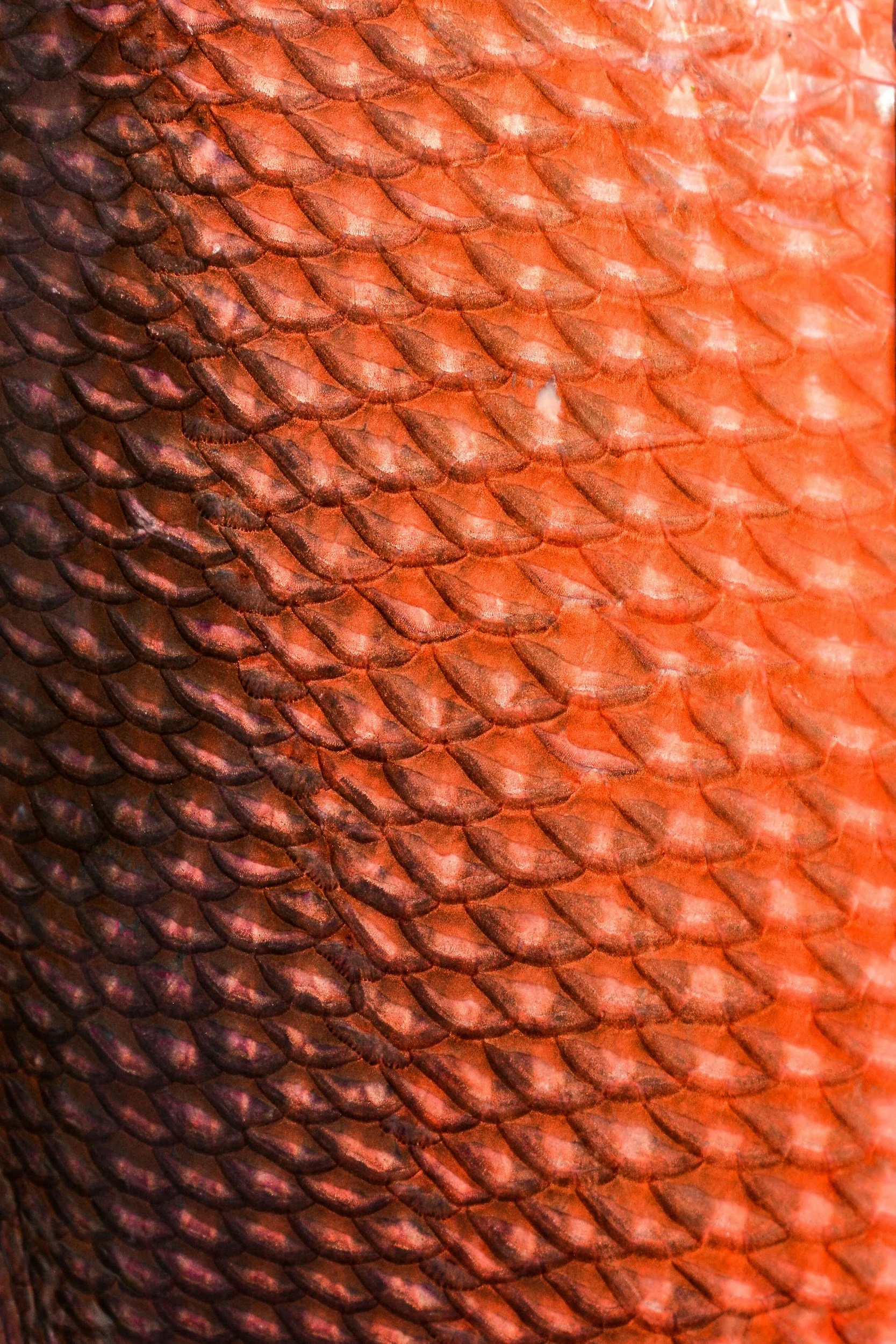
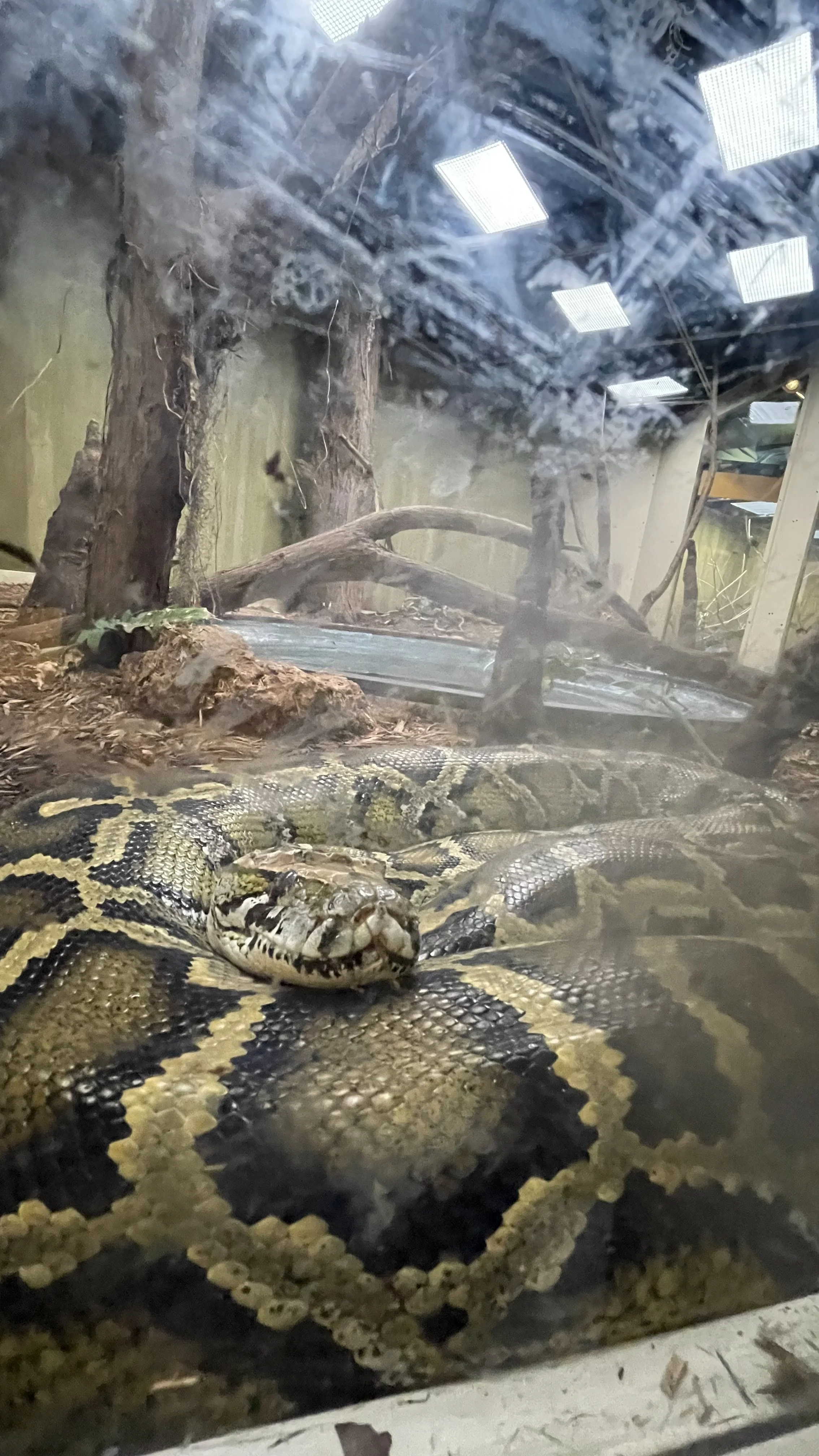
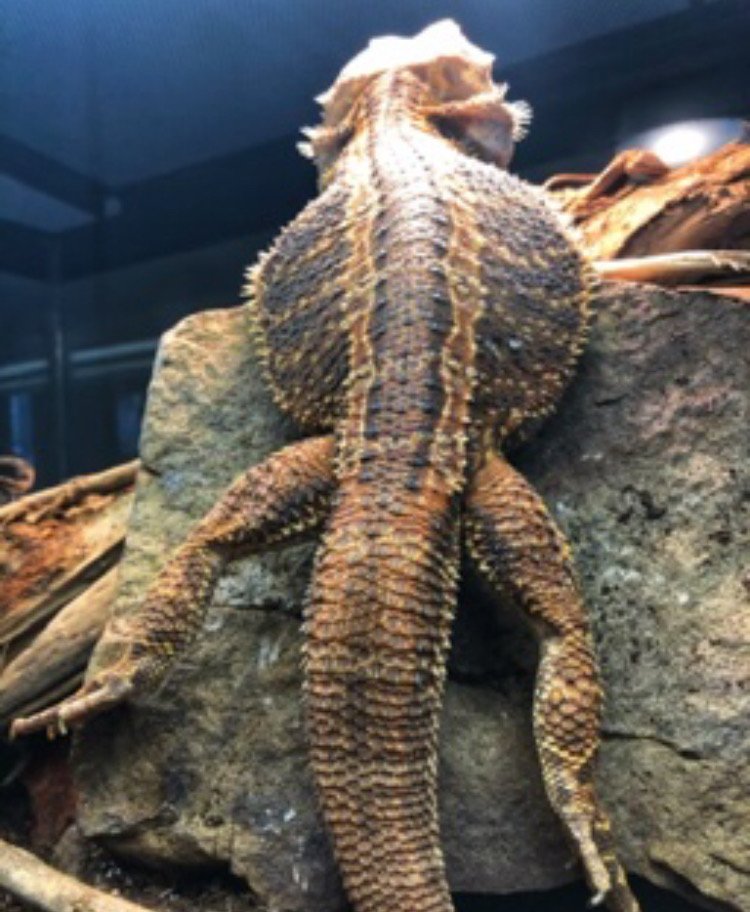
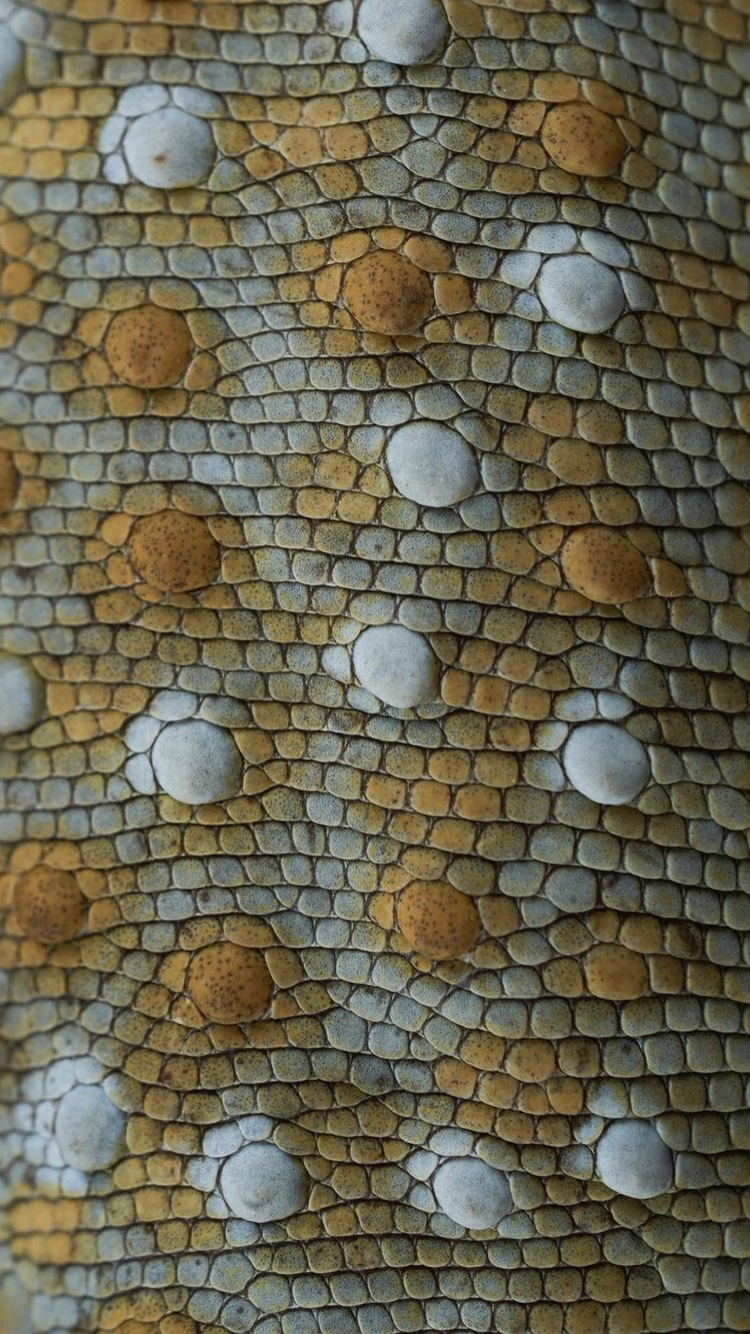
Scale shape, size, and arrangement vary widely across reptile groups and reflect ecological function. Smooth scales reduce friction and aid in movement, while keeled scales provide traction and camouflage by breaking up light reflection. Large belly scutes in snakes create grip for locomotion, while thickened scales in desert reptiles offer additional protection from abrasive sand and heat.
Preventing Water Loss
One of the most critical functions of scales is waterproofing. Keratin forms a strong barrier that drastically limits the movement of water across the skin. This allows reptiles to maintain hydration even in extremely dry environments where amphibians would quickly desiccate.
Some reptiles enhance this protection with lipid layers beneath the keratinized surface that further slow evaporation. This combination of structural and chemical resistance makes reptile skin one of the most efficient natural barriers to water loss among vertebrates.
Protection from Injury and Predators
Scales provide mechanical protection against rough terrain, vegetation, and predator attacks. While not impenetrable armor, they reduce cuts, abrasions, and bites that could lead to infection or dehydration.
In some species, scales are reinforced with bony deposits called osteoderms. Crocodilians, many lizards, and some snakes possess these internal plates, adding rigidity and defense while still allowing movement.
Scale coloration and texture also serve defensive roles through camouflage, warning coloration, and disruptive patterning that makes individuals harder to detect.
Sensory Functions of Scales
Though they appear rigid, many scales are highly sensitive. Some reptiles possess specialized mechanoreceptors embedded at the base of scales that detect vibrations, pressure, and subtle movements in the environment.
Snakes, for example, can sense ground vibrations through their belly scales, helping them detect approaching predators or prey. In some species, heat sensing pits are integrated between scales, allowing detection of warm-bodied animals even in darkness.
Thus, reptile skin is not simply protective, it is also an important sensory interface with the environment.
Scales and Thermoregulation
Scale structure influences how reptiles absorb and reflect heat. Darker pigmentation absorbs solar radiation more efficiently, aiding warming in cooler environments. Lighter scales reflect heat, reducing overheating in deserts.
The thickness and texture of scales also influence how heat is retained or dissipated, playing a subtle but important role in thermoregulation alongside behavior.
Evolutionary Success of Scaled Skin
The evolution of scales was a defining feature in reptile diversification. By minimizing water loss, providing protection, and supporting temperature control, scaled skin allowed reptiles to exploit ecological niches that were previously inaccessible to vertebrates.
This single adaptation contributed to the rise of reptiles as dominant terrestrial animals for millions of years, shaping ecosystems long before mammals became prominent.
Key Definitions
Keratin:
A durable structural protein that forms scales, hair, nails, and feathers.
Ecdysis:
The process of shedding the outer skin layer during growth.
Osteoderms:
Bony plates embedded within the skin that provide additional protection.
Evaporative water loss:
The loss of body water through the skin into the surrounding air.
Activity: Scale Function Investigation
Have learners compare images of smooth, keeled, and armored scales. Ask them to match each type to different environments such as deserts, forests, wetlands, or rocky habitats. Discuss how scale structure might influence movement, protection, and water conservation in each setting.