

Field Report: Palouse Falls State Park
Wind, Water, and an Unexpected Abundance
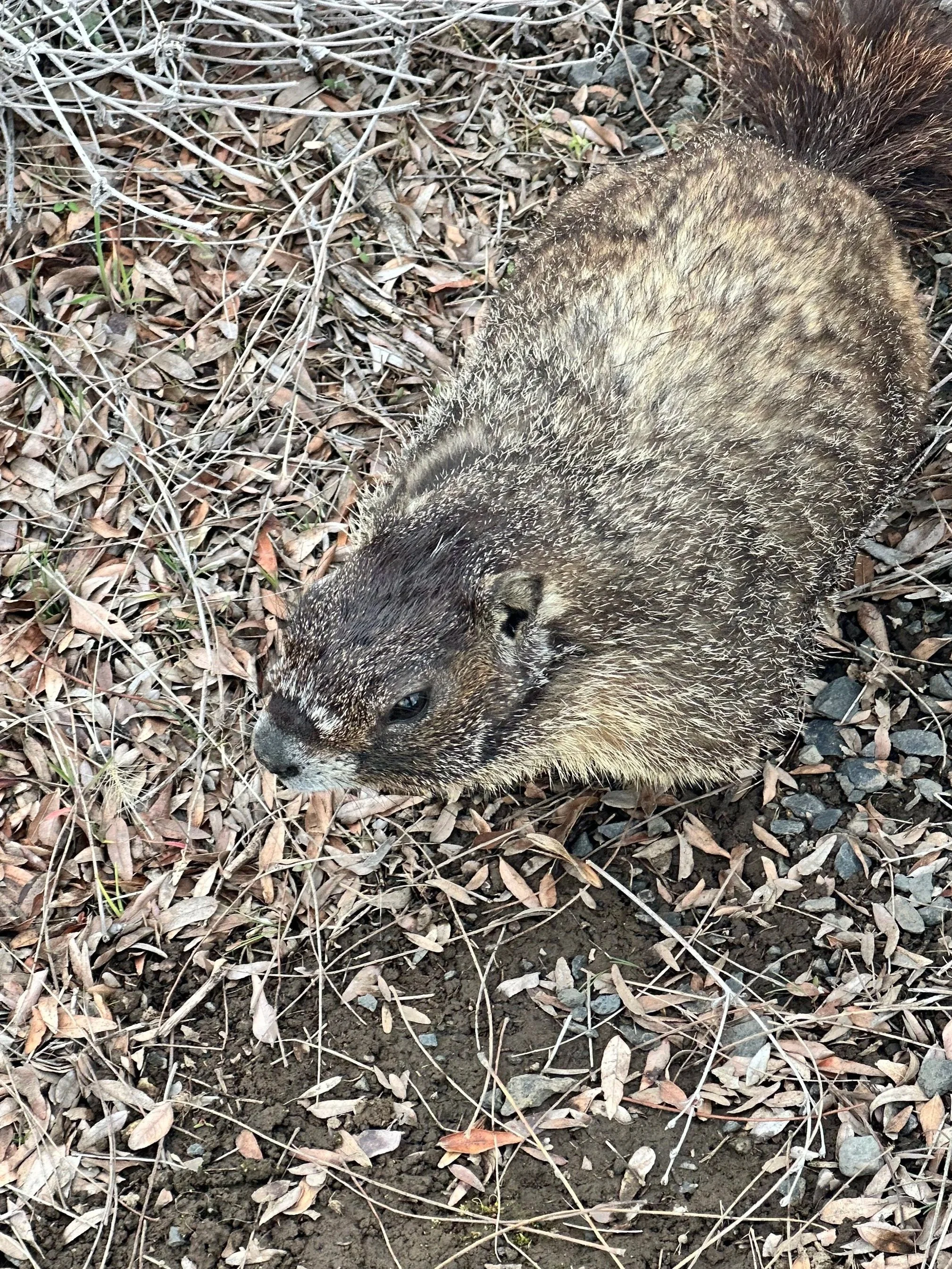
March 16th didn’t feel like a day that was going to surprise us. The sky hung low in that familiar eastern Washington way, a soft ceiling of gray clouds drifting in and out of light drizzle. The kind of weather where you throw on a jacket, accept that you might get a little damp, and go anyway. Temperatures hovered in the 50s, with a steady breeze that occasionally leaned into something stronger, pushing across the open landscape with nothing to slow it down. It felt quiet. Subtle. Almost understated, and then we got out of the car. “Do they have their cat out?” Malina’s question caught me off guard. I followed her gaze across the rocky slope, expecting maybe someone’s pet or a misidentified shadow moving across the terrain. It wasn’t a cat. It was a yellow-bellied marmot! And then another. And another. By the time we left, we had seen at least twenty.
The First Impression: Small Park, Big Landscape
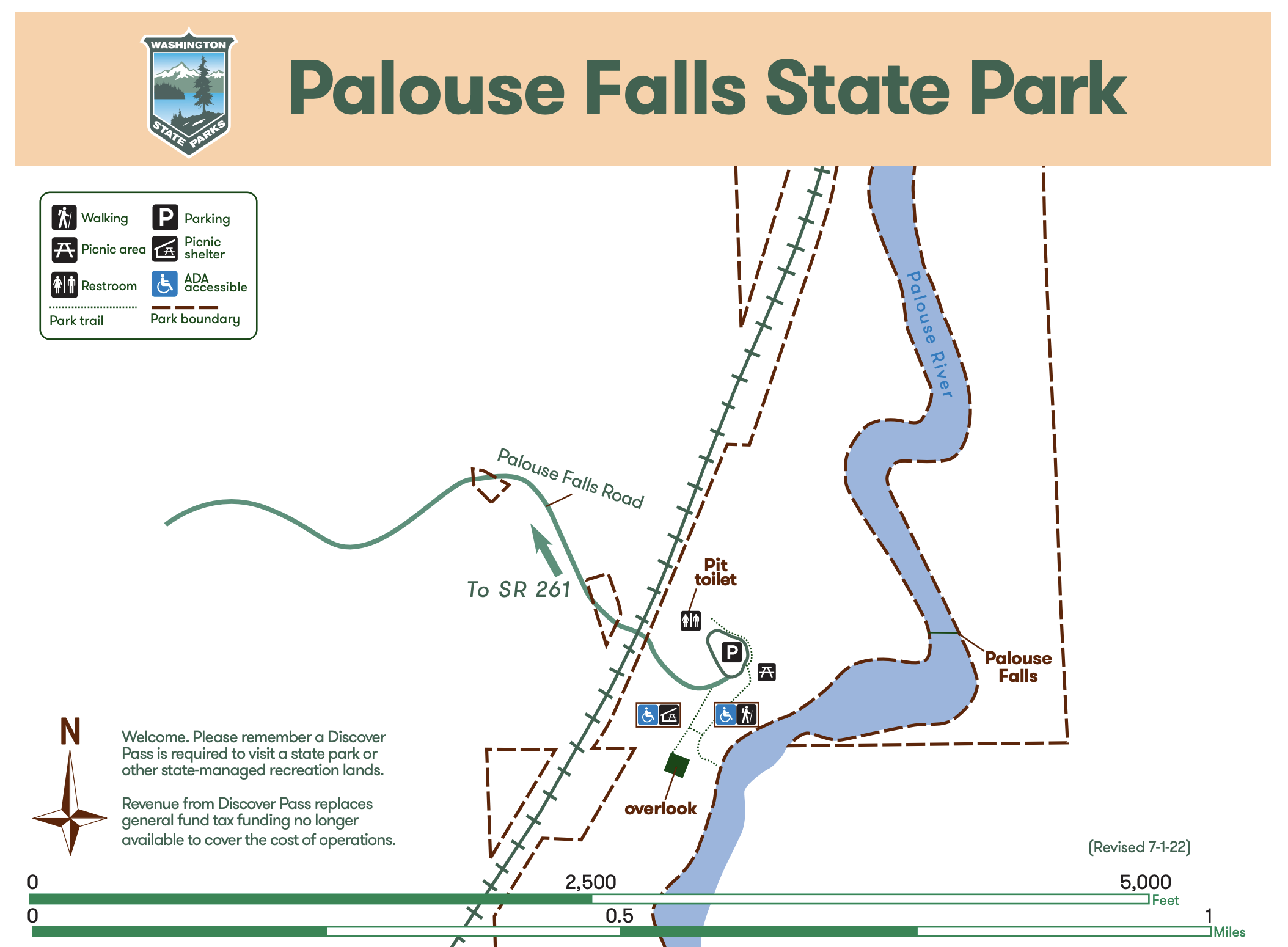
Going into Palouse Falls State Park, I wasn’t expecting much more than a quick scenic stop. It’s a relatively small park, with just over a mile of established trails. On paper, it reads like a place you pull over, take a few photos, and move on. That assumption lasted about five minutes.
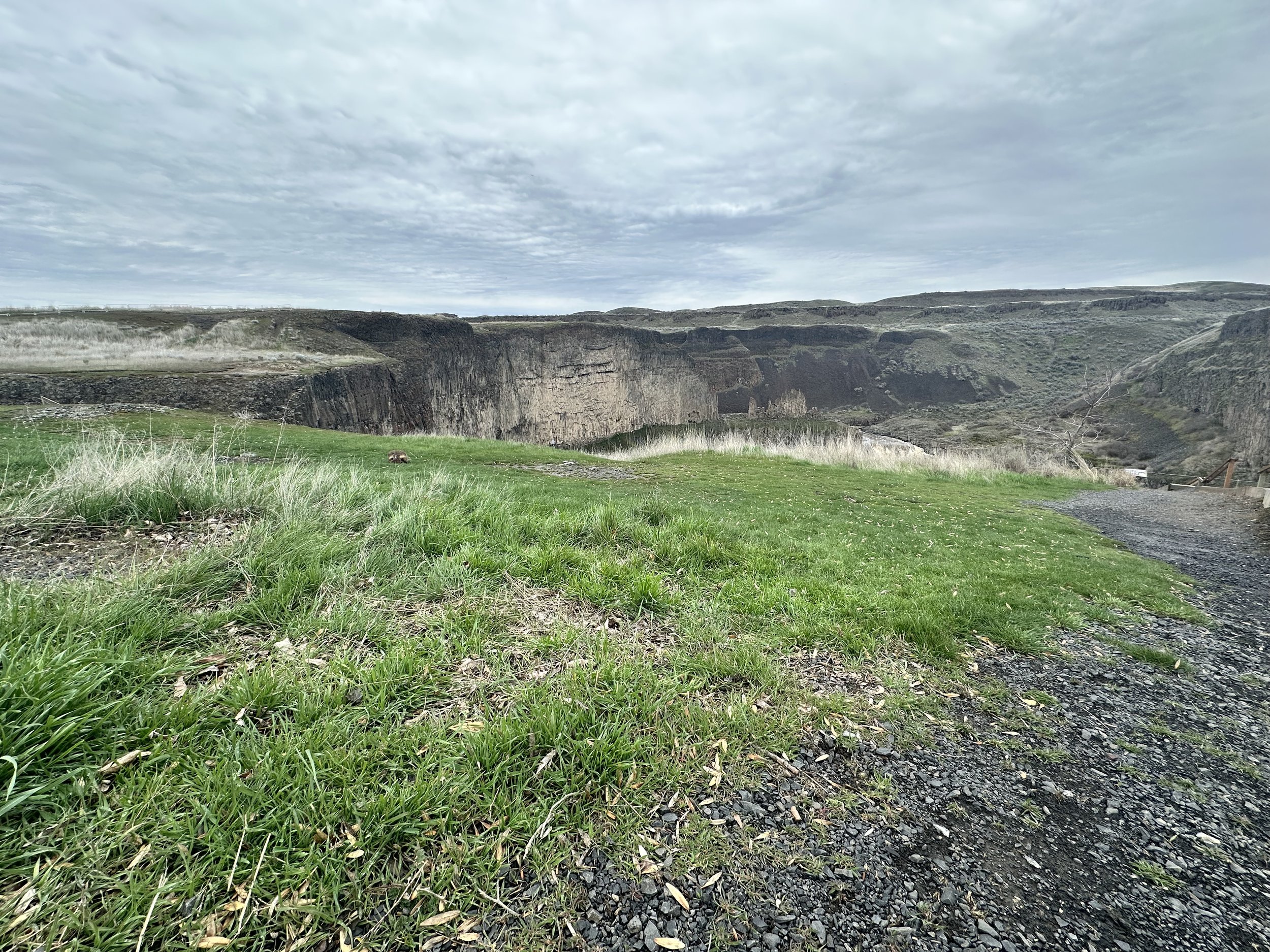
Taking the left fork in the trail, we crested a small rise, and the landscape opened up in a way that didn’t feel like Washington at all. The Palouse River had carved deeply into the surrounding basalt, revealing a canyon that felt almost like a miniature version of the desert Southwest a sudden, dramatic cut through rolling grasslands. It wasn’t just scenic. It was geologic storytelling. And it immediately reframed the space from “small park” to “dense ecosystem.”
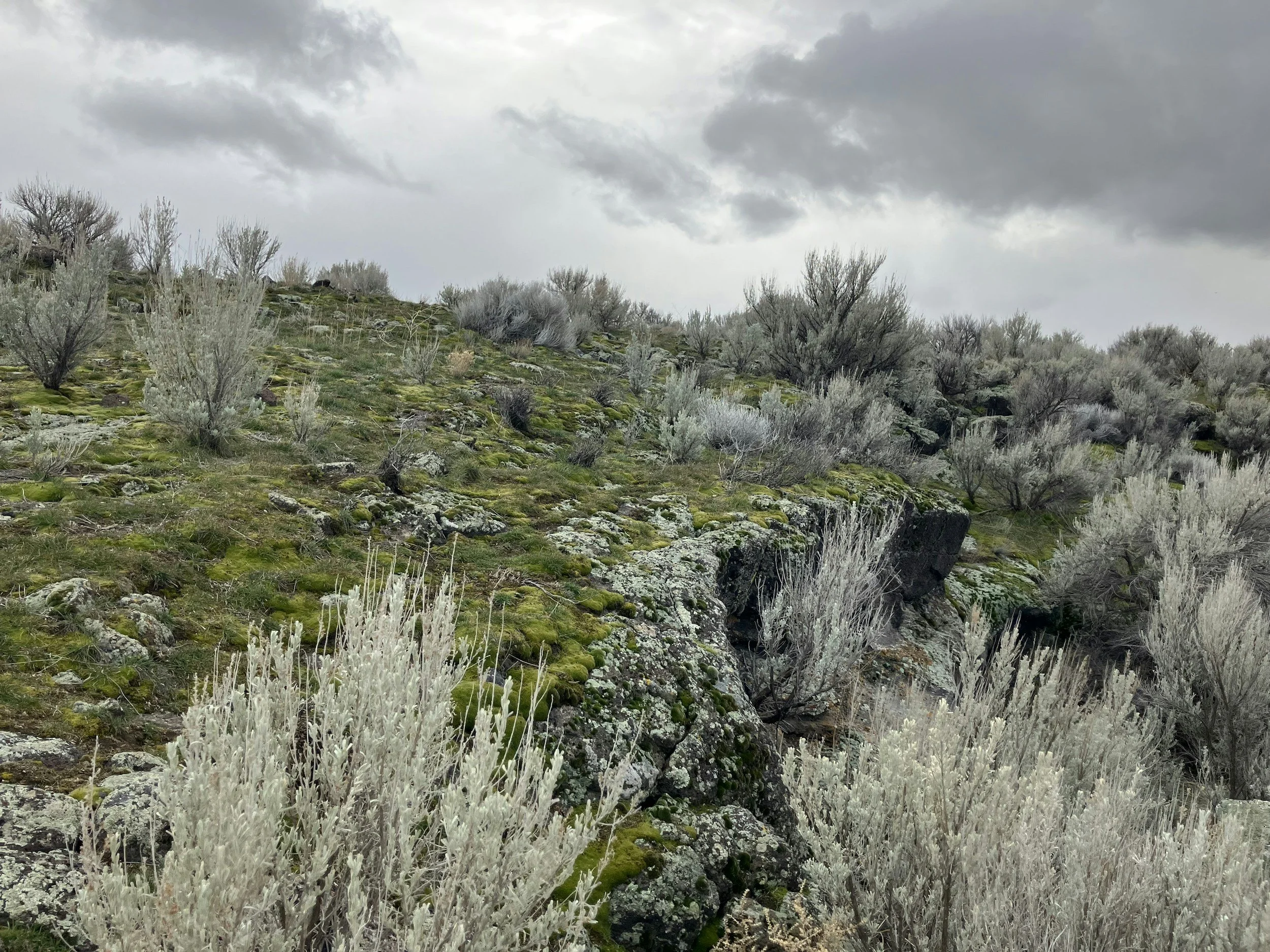
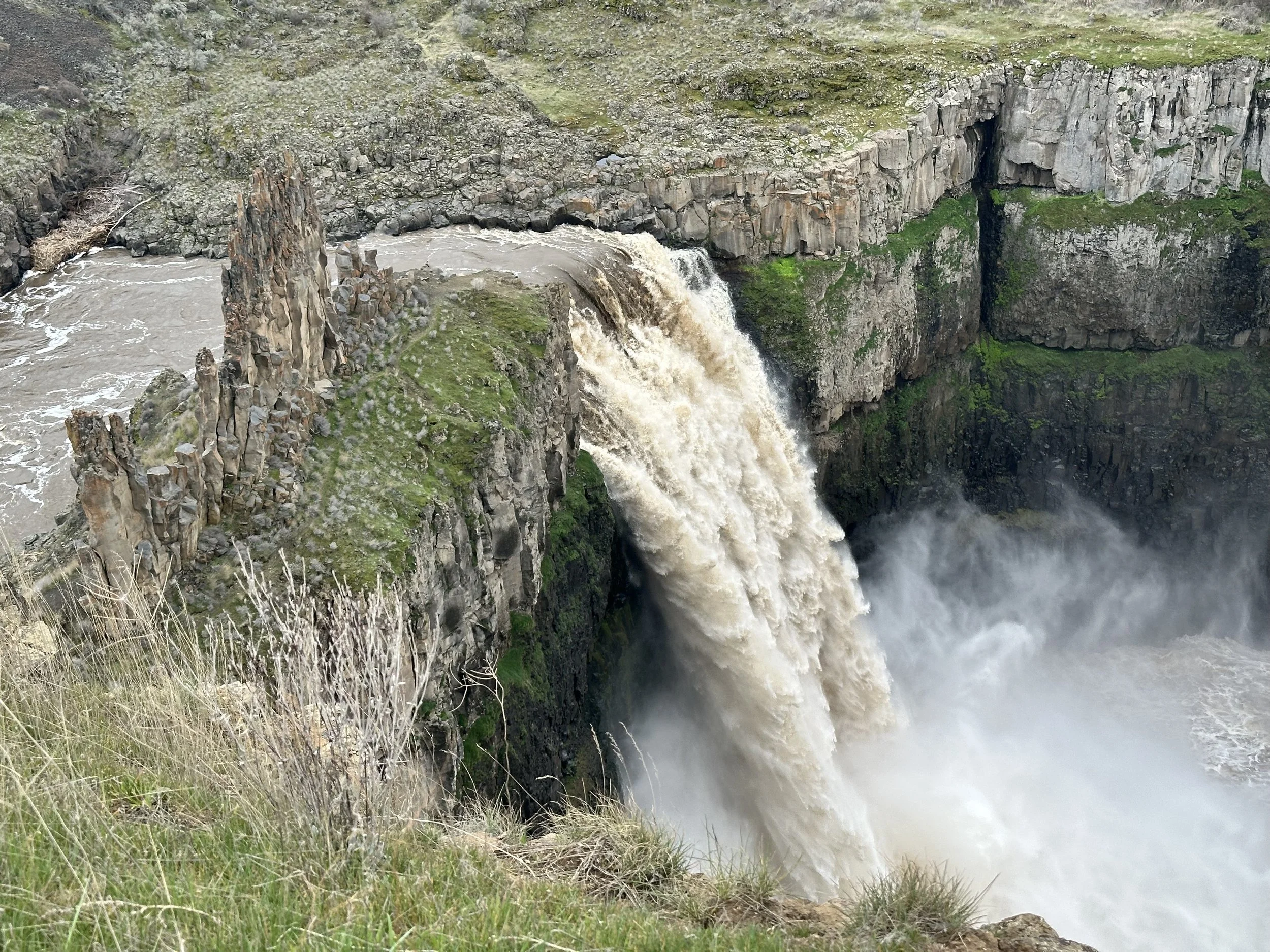
The Palouse doesn’t sit quietly. Even on a gray, drizzly day, it’s alive with motion. Wind moved constantly through the grasslands, creating a low, continuous whisper that never fully stopped. It bent the grasses in waves, shifting direction with each gust, carrying the scent of big sagebrush (Artemisia tridentata) across the landscape. That smell of dry, slightly bitter, distinctly wild anchored the entire experience. Closer to the falls, the sound deepened. Palouse Falls doesn’t just look powerful, it feels it. There’s a low, bass-like rumble that builds the closer you get, something you don’t just hear but feel in your chest. The kind of vibration that reminds you water isn’t just moving … it’s shaping everything around it.
Wildlife Everywhere You Look
For a park this size, the presence of wildlife was almost absurd. The marmots were the first clue.
Yellow-bellied marmots occupied the rocky slopes like they owned the place, which, to be fair, they do. They perched on outcrops, moved between burrows, and watched us with that classic mix of curiosity and suspicion. Their presence alone added a layer of constant motion to the landscape. But they weren’t alone.
In the cliffs surrounding the falls, doves had nested into the rock face, tucked into small ledges that offered protection from both predators and the elements. Overhead, red-tailed hawks circled, riding thermals and scanning the ground below.
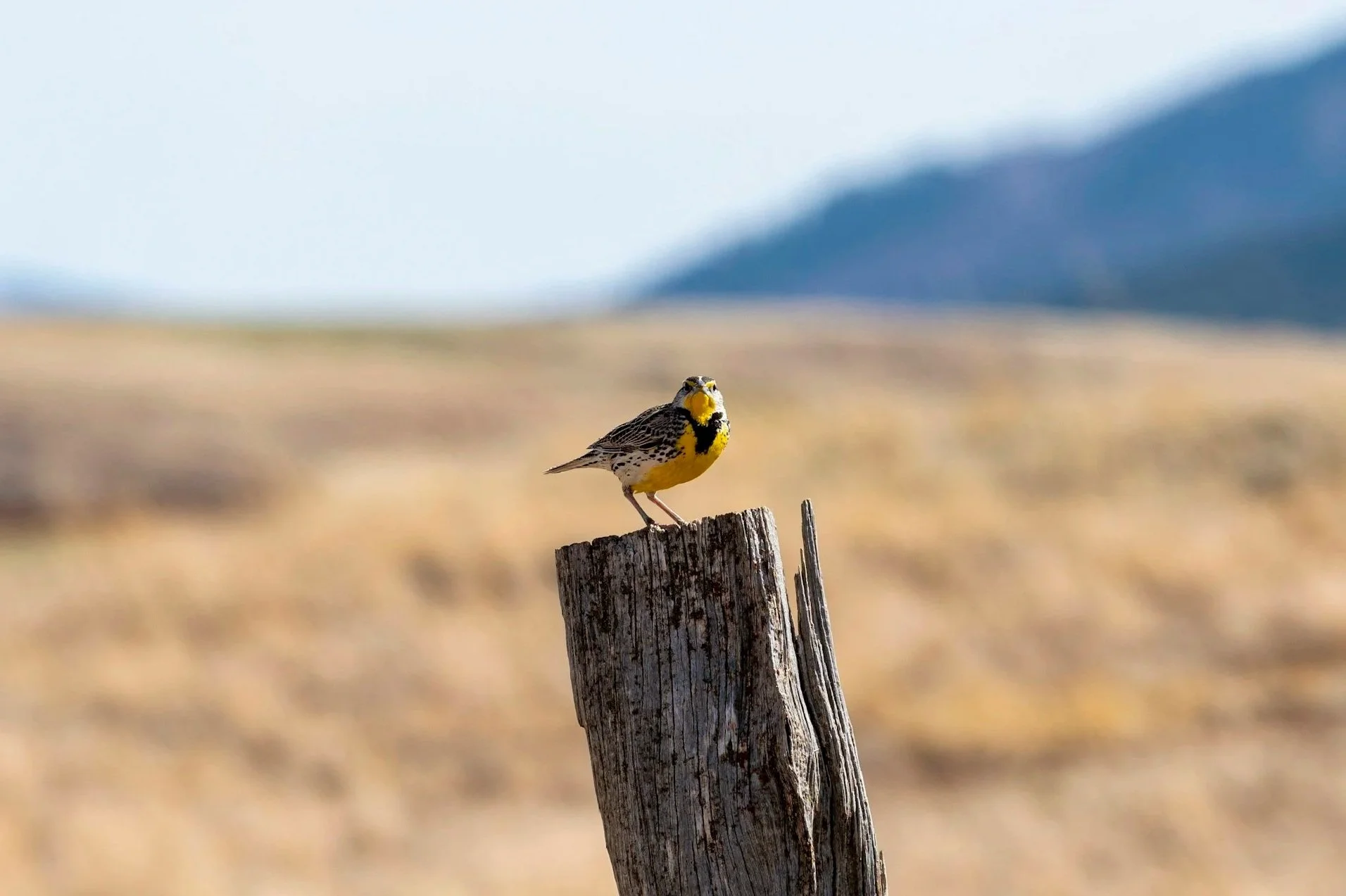
And then, a first. A western meadowlark. A lifer. There’s something about hearing a species for the first time, especially one so tied to a specific landscape, that shifts your connection to a place. The meadowlark wasn’t just a bird sighting. It was confirmation that we were fully in Palouse prairie habitat, one of the most endangered ecosystems in North America.
What makes this place truly remarkable isn’t just the scenery or even the wildlife you immediately see. It’s what the landscape represents. The rolling hills surrounding the falls are remnants of the historic Palouse prairie, a grassland ecosystem that once covered large portions of eastern Washington and Idaho. Today, it’s largely been converted to agriculture, leaving only fragmented patches of native habitat. What remains here is more than scenic. It’s rare. The presence of big sagebrush (Artemisia tridentata) adds another layer of ecological importance. Sagebrush ecosystems across the western United States have been declining due to development, invasive species, and land conversion. These plants aren’t just background scenery; they provide critical habitat for birds, insects, and mammals adapted specifically to this environment. Standing in that wind, surrounded by sage and grassland, it’s easy to overlook how much has already been lost. And how important these remaining pockets are.
Palouse Falls State Park isn’t large. But it doesn’t need to be. It’s a reminder that ecological richness isn’t always about scale, it’s about what remains, what persists, and what you’re willing to notice. Between the wind moving through the grass, the scent of sagebrush in the air, the constant presence of wildlife, and the deep rumble of the falls, this place holds more than just a scenic view. It holds a fragment of a much larger story. And if you give it the time, it tells you exactly what it is.