

Trophic Levels & Keystone Species
How energy moves through ecosystems and a few species hold everything together
Every ecosystem runs on energy flowing upward from primary producers to top predators. But while many species participate in this flow, some species have an outsized influence on how the entire system functions.
Understanding trophic levels explains how energy moves.
Understanding keystone species explains why ecosystems stay balanced (or collapse).
Together, they reveal the hidden structure behind nature.
What Are Trophic Levels?
A trophic level is a position in the food web based on how an organism gets its energy.
Think of it like ecological layers:
1. Primary Producers
Plants, algae, phytoplankton
They capture sunlight and make energy
2. Primary Consumers
Deer, insects, zooplankton, rabbits
They eat producers
3. Secondary Consumers
Frogs, birds, small fish, foxes
They eat herbivores
4. Tertiary Consumers
Wolves, hawks, sharks, big cats
They eat other predators
Each level depends completely on the one below it.
No producers → no herbivores → no predators.
Why Energy Shrinks as It Moves Up
Only about 10% of energy transfers from one trophic level to the next.
The rest is lost as:
• heat
• movement
• growth
• waste
This is why:
• there are many plants
• fewer herbivores
• very few top predators
Ecosystems naturally form energy pyramids.
This also explains why losing producers or herbivores quickly destabilizes everything above them.
What Is a Keystone Species?
A keystone species is one whose impact on an ecosystem is much larger than its population size would suggest.
Remove a keystone species and the ecosystem can change dramatically.
Sometimes even collapse.
Famous Keystone Examples
Wolves in Yellowstone
When wolves were removed, elk overgrazed plants.
Riverbanks eroded. Bird populations dropped.
When wolves returned:
• elk behavior changed
• plants recovered
• rivers stabilized
• biodiversity increased
One predator reshaped an entire ecosystem.
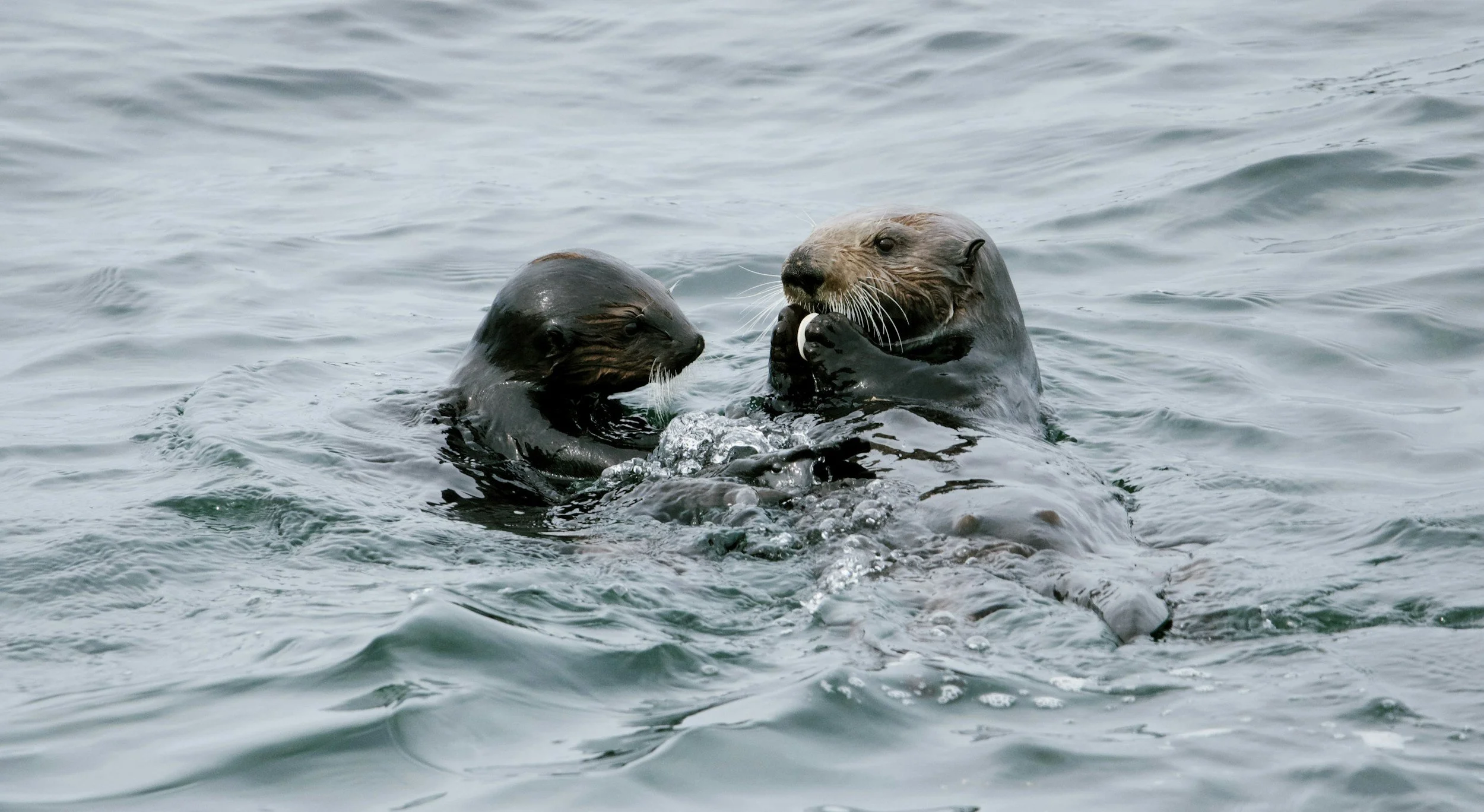
Sea Otters in Kelp Forests
Otters eat sea urchins.
Without otters, urchins destroy kelp forests.
With otters:
• kelp thrives
• fish populations increase
• coastlines are protected
Again, one species controlling ecosystem balance.
How Keystone Species Affect Trophic Levels
Keystone species often:
• control prey populations
• shape plant growth
• create habitat for others
• regulate energy flow
They keep trophic levels in balance.
Without them, food webs unravel.
Quick Ecology Definitions
Trophic Level
Position in a food web based on energy source
Primary Consumer
Organism that eats plants or producers
Secondary Consumer
Organism that eats herbivores
Tertiary Consumer
Top predator in a food web
Keystone Species
Species with a disproportionately large effect on ecosystem structure
Trophic Cascade
Chain reaction of changes across trophic levels
Try It Yourself: Food Web Detective
Pick one plant you see
List what might eat it
List what might eat those animals
Now ask:
What happens if one level disappears?
This is how trophic cascades begin.