

Primary Producers & Photosynthesis
The organisms that power nearly all life on Earth
Every food web begins with organisms that can turn sunlight into usable energy. These organisms, called primary producers, form the foundation of ecosystems on land and in water. Without them, there would be no animals, no decomposers, and no energy flow at all.
Producers don’t eat other organisms for energy. Instead, they capture sunlight and convert it into food through a process called photosynthesis.
What Are Primary Producers?
Primary producers include:
• plants
• algae
• phytoplankton (microscopic producers in oceans and lakes)
• some bacteria
They use sunlight, water, and carbon dioxide to create sugars that store energy.
This stored energy becomes the fuel for every organism higher in the food web.
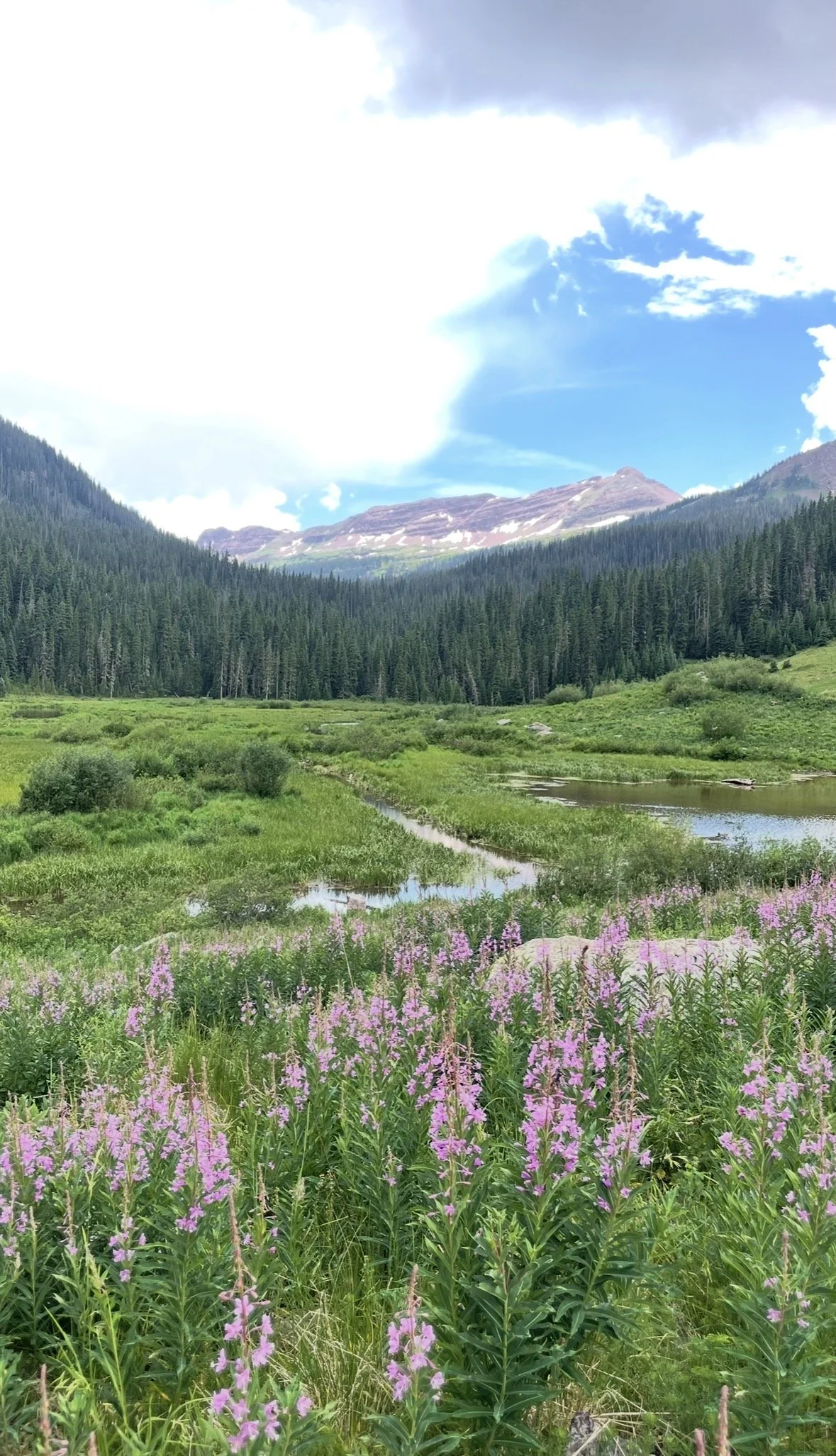
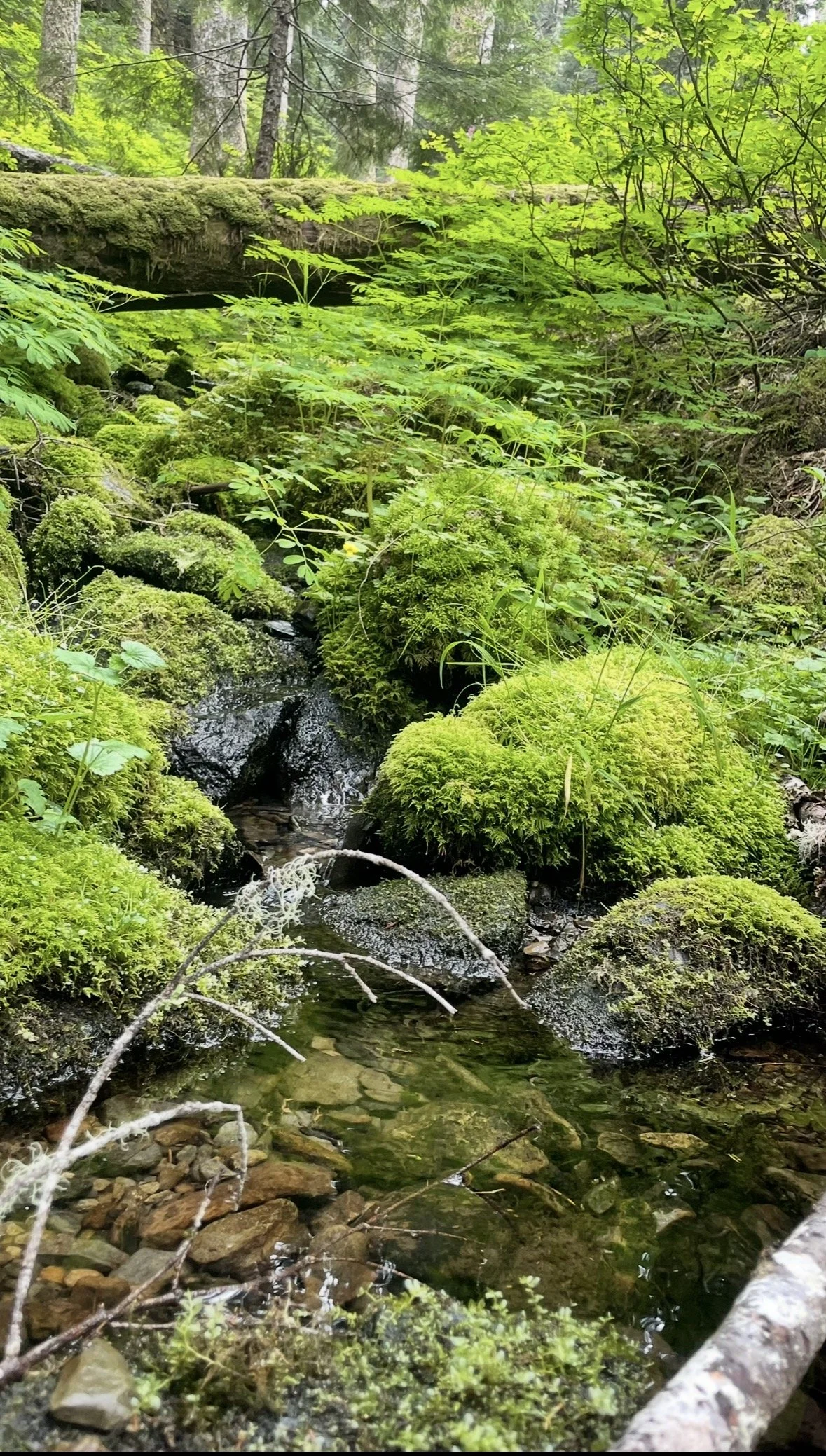
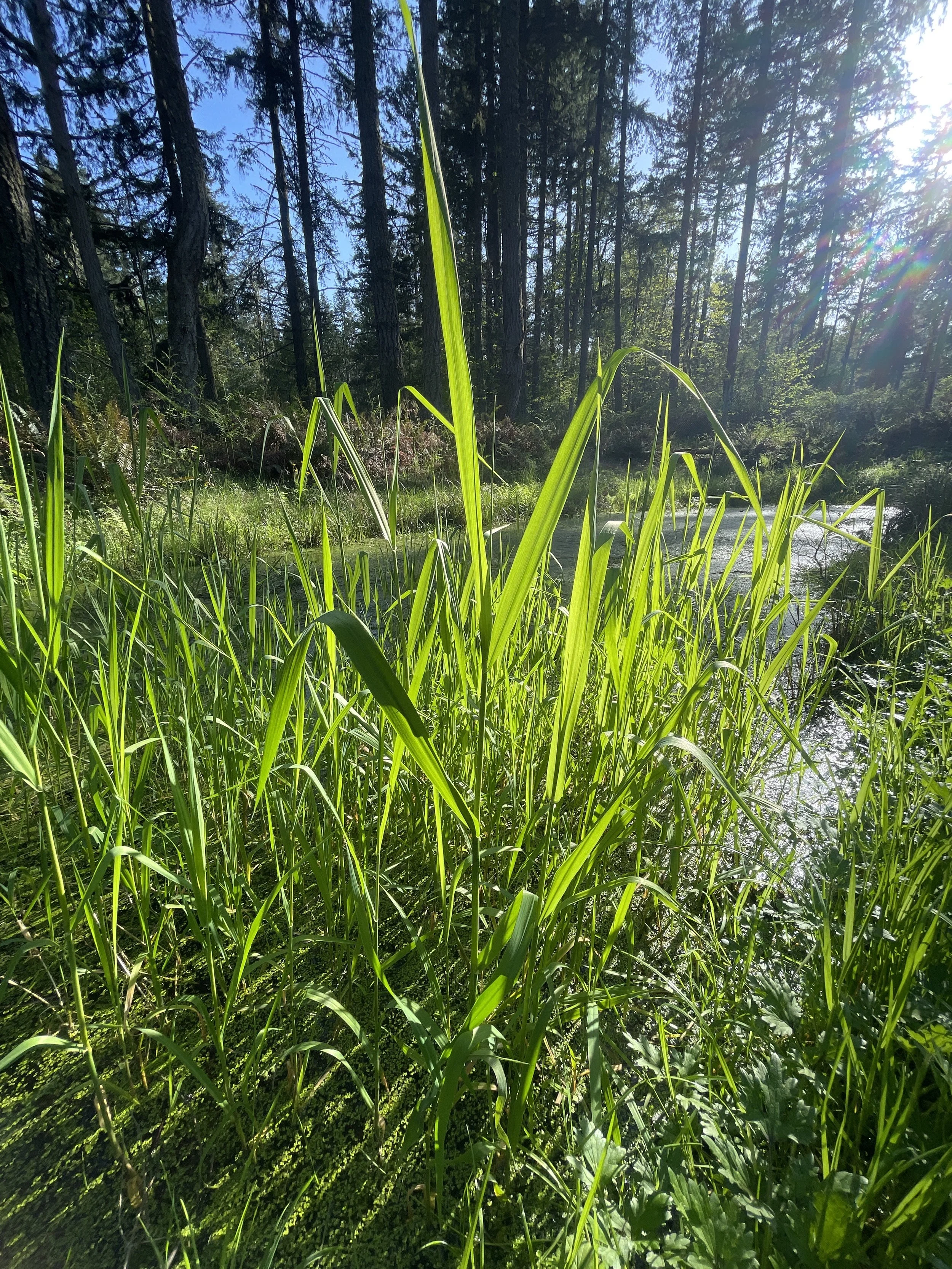
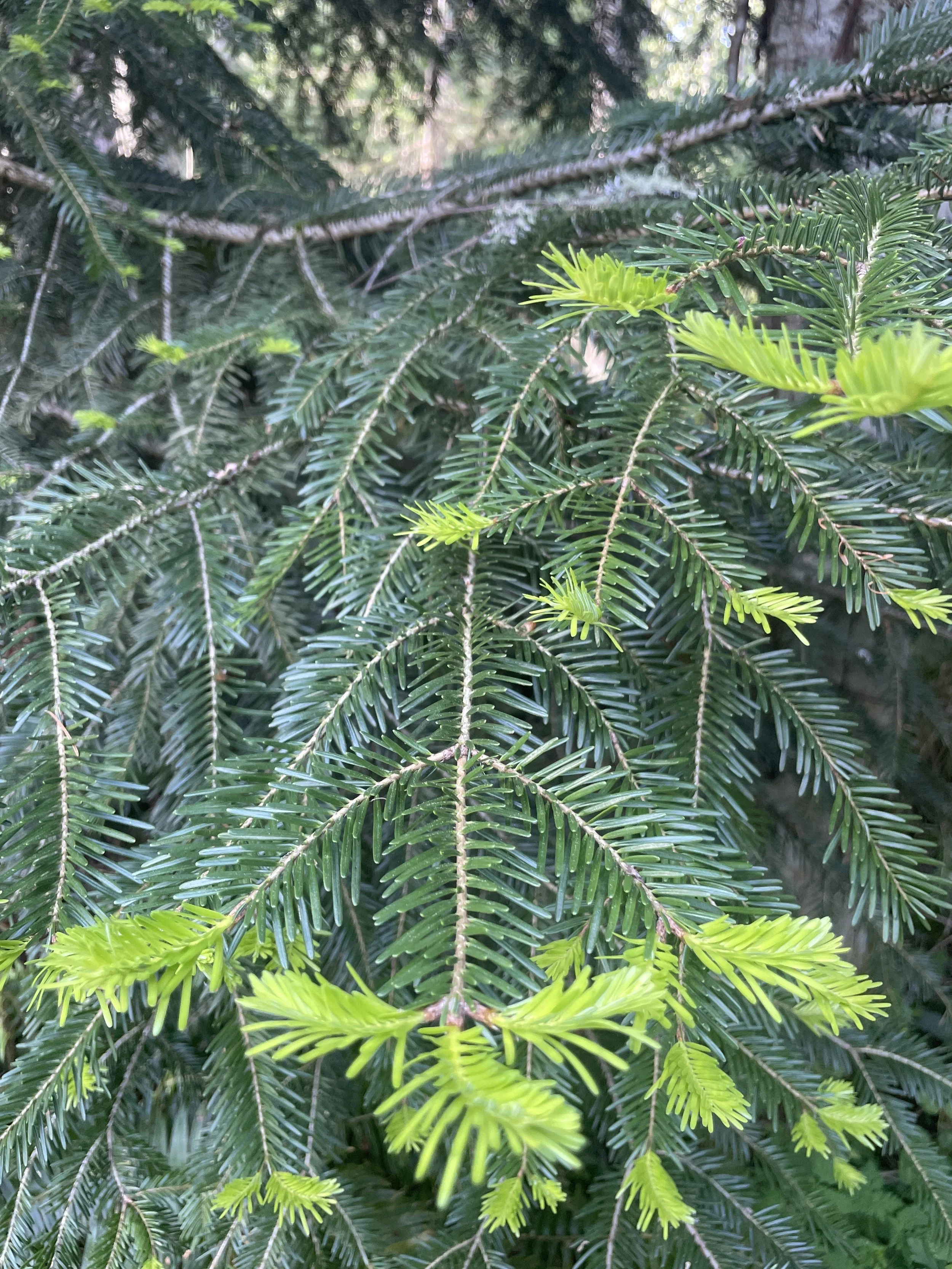
In forests, trees and grasses are the main producers.
In oceans, tiny phytoplankton feed entire marine ecosystems.
Most life on Earth depends on these often overlooked organisms.
How Photosynthesis Works
Photosynthesis happens inside plant cells in structures called chloroplasts.
Here’s the basic flow:
Sunlight + water + carbon dioxide → sugar (energy) + oxygen
Plants:
• absorb sunlight through leaves
• pull water from roots
• take in carbon dioxide from air
They use this to make glucose (plant food) and release oxygen as a byproduct.
That oxygen is what most living things breathe.
So every breath you take is connected to photosynthesis happening somewhere on Earth.
On land:
• trees
• grasses
• shrubs
• mosses
In water:
• algae
• seaweeds
• phytoplankton
Even though phytoplankton are microscopic, they produce about half of Earth’s oxygen and form the base of ocean food webs.
Tiny organisms that have a massive impact.
Why Producers Control Ecosystem Health
The amount of life an ecosystem can support depends on how productive its producers are.
More healthy plants = more available energy
This affects:
• herbivore populations
• predator numbers
• biodiversity
• carbon storage
• climate regulation
When producers decline (deforestation, pollution, climate change), entire food webs weaken.
Protecting producers protects everything else.
Quick Ecology Definitions
Primary Producer
Organism that makes its own food using sunlight or chemicals
Photosynthesis
Process where plants use sunlight to create sugar from water and carbon dioxide
Chloroplast
Cell structure where photosynthesis happens
Phytoplankton
Microscopic producers in aquatic environments
Glucose
Sugar plants create to store energy
Try It Yourself: Photosynthesis in Action
What you need:
A leafy plant, sunlight, paper or foil, time
Steps:
Cover part of a leaf with paper or foil
Leave plant in sunlight for a few hours
Remove cover and observe color change
The uncovered part should photosynthesize more, showing how sunlight fuels plant energy production.