

Energy Flow & Food Webs
How energy moves through nature and why every species matters
Every ecosystem runs on energy. From sunlight hitting a leaf to a hawk catching a mouse, energy flows through living systems in connected pathways called food chains and food webs. Understanding how energy moves helps explain why biodiversity matters, why removing one species can ripple across an ecosystem, and how humans fit into the natural world.
The Basics: Where Energy Starts
Almost all energy in ecosystems begins with the sun.
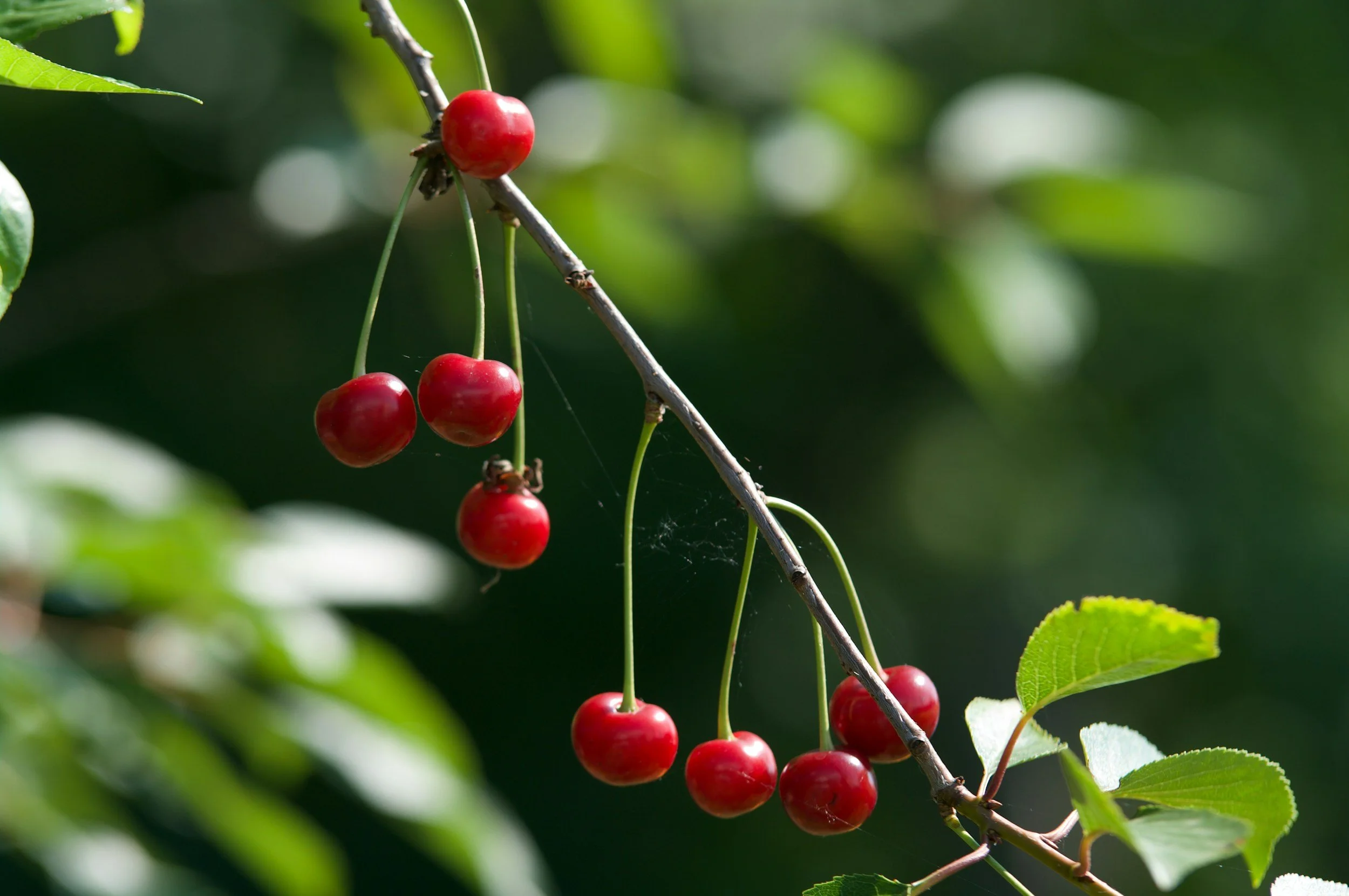
Plants, algae, and some bacteria use sunlight to make food through photosynthesis. These organisms are called producers because they produce the energy base for all life.
From there, energy moves through:
• Herbivores that eat plants
• Carnivores that eat other animals
• Omnivores that eat both
• Decomposers that recycle nutrients back into the system
This one-way movement of energy is called energy flow.
From Food Chains to Food Webs
A food chain shows one simple energy path:
Sun → grass → deer → wolf
But real ecosystems are much more complex.
A food web connects many food chains together, showing how species depend on multiple food sources and each other.
For example:
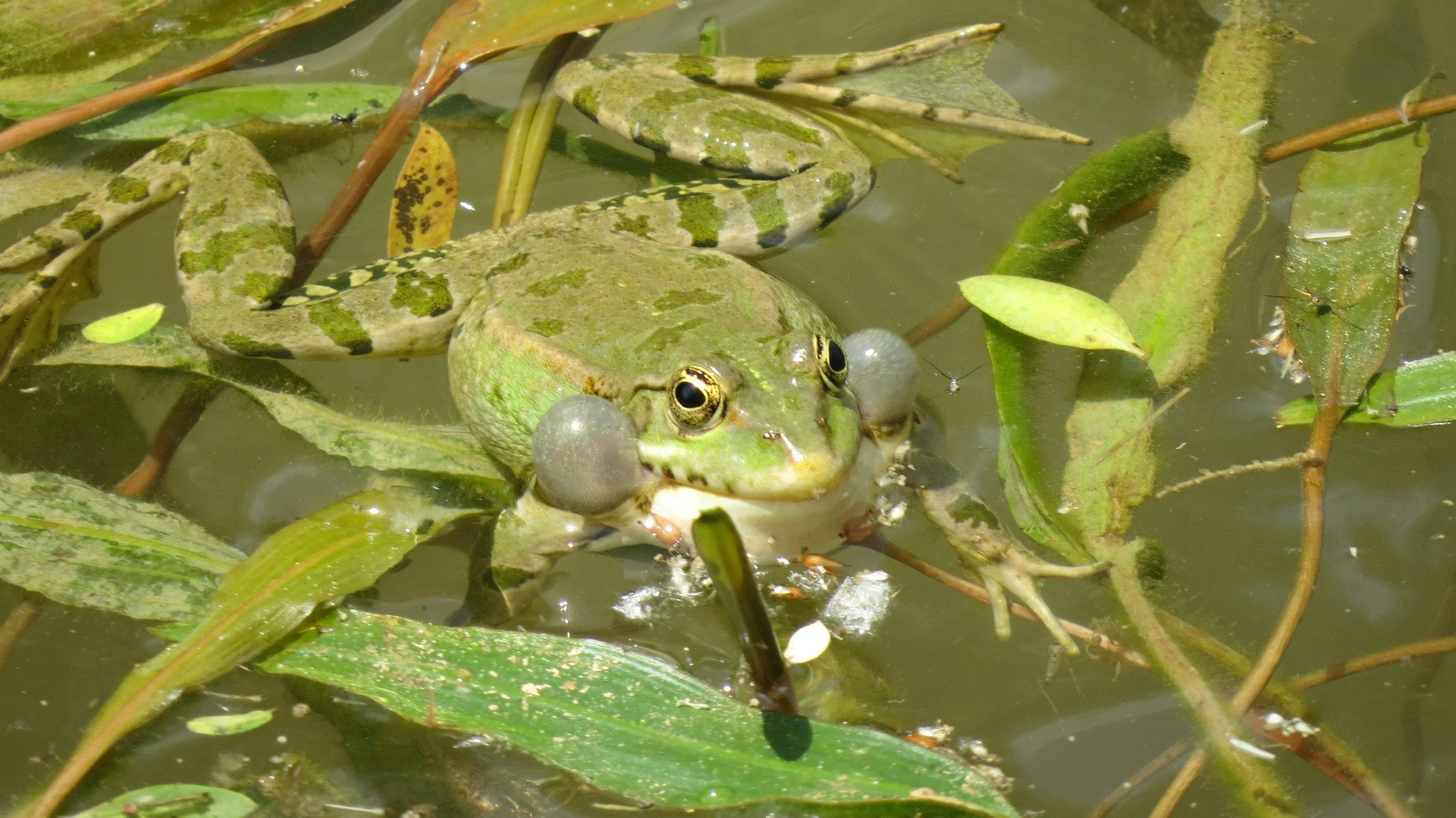
• A frog might eat insects, spiders, and worms
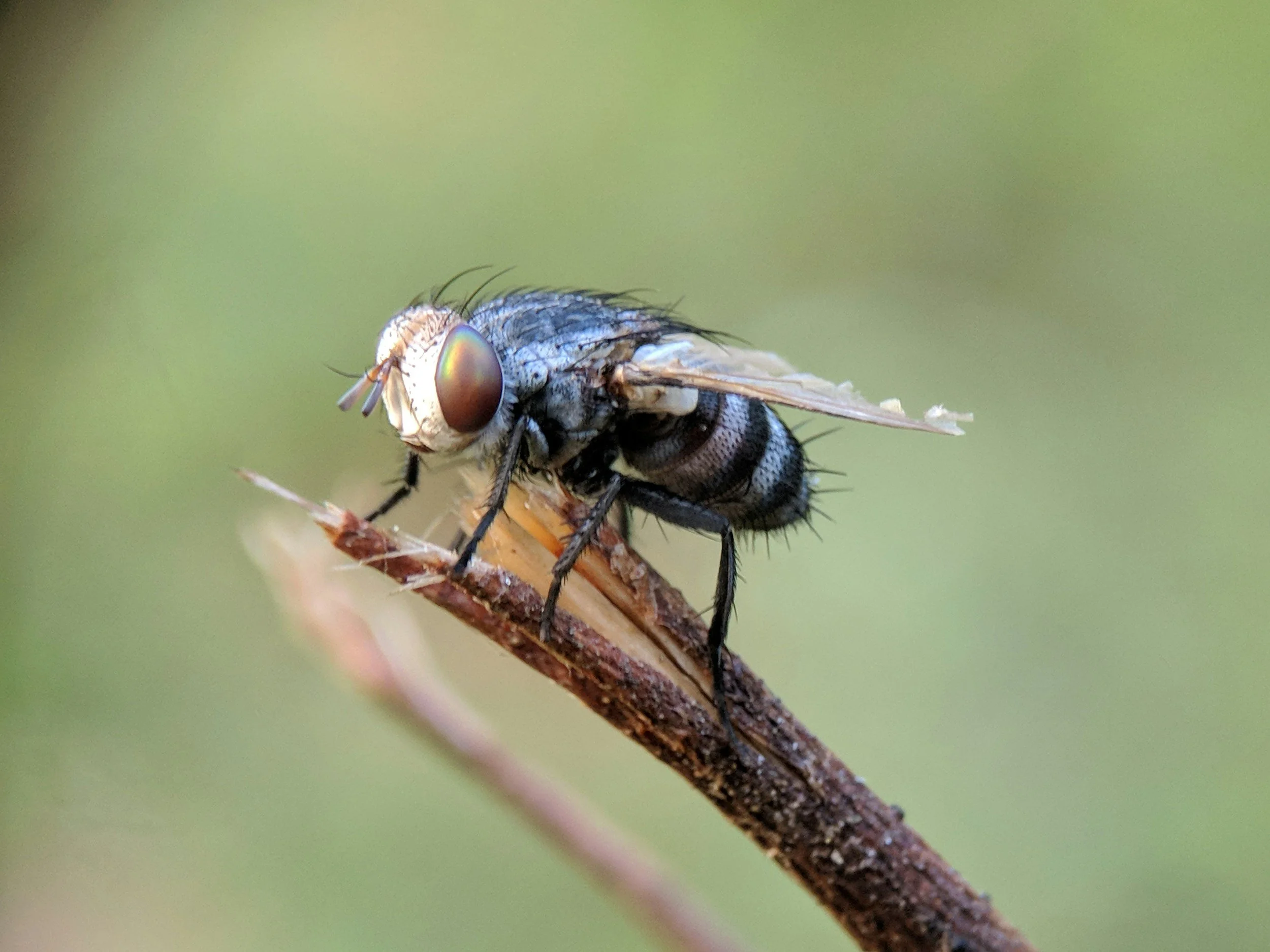
• Those insects feed on plants, algae, or other insects
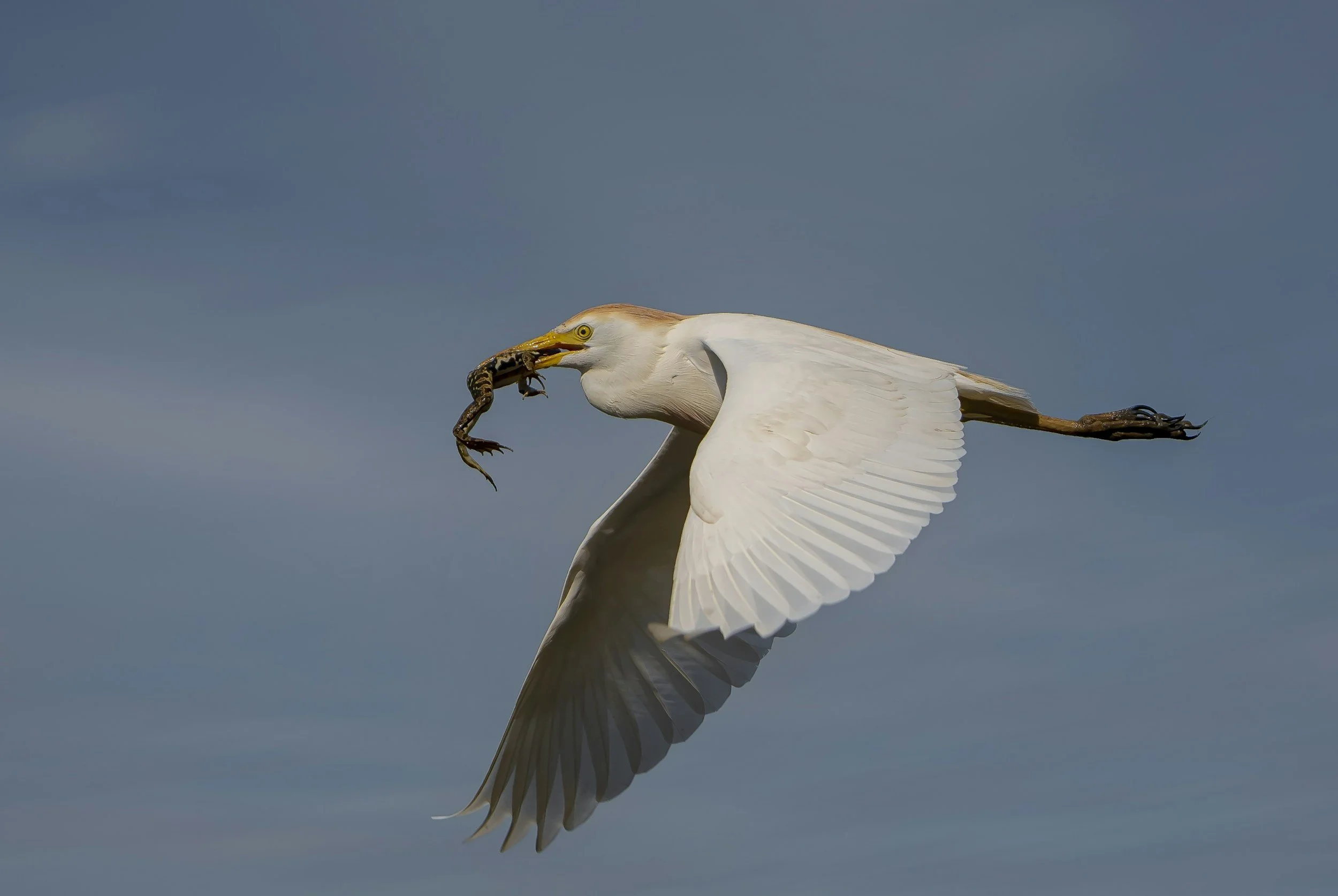
• Birds, snakes, and mammals may all eat frogs
This network creates stability. If one food source disappears, organisms may survive by switching to another.
Why Energy Is Lost Along the Way
Here’s a cool ecology truth:
Only about 10% of energy moves from one level to the next.
Most energy is lost as:
• heat
• movement
• waste
• life processes
That’s why:
• there are lots of plants
• fewer herbivores
• even fewer top predators
This creates what’s called an energy pyramid.
Humans in the Food Web
Humans are omnivores and ecosystem engineers.
We:
• consume energy from many trophic levels
• alter habitats
• remove or introduce species
• shift energy flow through agriculture and development
Understanding food webs helps explain:
• overfishing collapses
• invasive species impacts
• predator loss causing population explosions
• conservation success stories (like wolf reintroduction)
Quick Ecology Definitions
Producer
Organism that makes its own food using sunlight (plants, algae)
Consumer
Organism that gets energy by eating others
Decomposer
Organism that breaks down dead matter (fungi, bacteria, insects)
Trophic Level
Position in the food web (producer, herbivore, predator, etc.)
Food Chain
Single pathway of energy transfer
Food Web
Connected network of feeding relationships
Energy Pyramid
Visual showing energy decreasing up trophic levels
Try It Yourself: Simple Food Web Activity
Backyard or Park Food Web Build
What you need:
Notebook or phone notes app
Steps:
Sit in one outdoor space for 15 to 20 minutes
List:
• plants you see
• insects
• birds
• mammals and reptilesDraw arrows showing:
• who might eat who
• where energy flowsAsk:
• What happens if one species disappears?
• Which species seem most important?
Bonus challenge:
Turn it into a full food web instead of a single chain.