

Nutrient Cycles: How Matter Moves Through Living Systems

Life on Earth runs on recycling.
Unlike energy, which flows one way through ecosystems and is eventually lost as heat, matter is reused over and over again. The atoms in your body today may once have been part of a dinosaur, a tree, or a drop of ancient ocean water. Nutrient cycles also called biogeochemical cycles describe how essential elements move through living organisms, the atmosphere, water, and the Earth’s crust.
These cycles are what allow ecosystems to persist through time. Without them, nutrients would quickly become locked away in unusable forms, soils would lose fertility, and food webs would collapse.
Three of the most important cycles for life are the carbon cycle, nitrogen cycle, and water cycle.
The Carbon Cycle: The Backbone of Life
Carbon is the fundamental building block of organic molecules. Every carbohydrate, fat, protein, and strand of DNA in living organisms is based on carbon atoms linked together in complex chains.
Most carbon on Earth exists in nonliving reservoirs: the atmosphere as carbon dioxide (CO₂), the oceans as dissolved carbon, and deep underground in fossil fuels and carbonate rocks. Living things must constantly pull carbon from these reservoirs to build their bodies.
Plants play the central role in this process.
Through photosynthesis, plants absorb carbon dioxide from the atmosphere and combine it with water using energy from sunlight to produce sugars. Those sugars are then turned into plant tissues: leaves, roots, stems, and seeds. In doing so, carbon moves from the air into the living world.
When animals eat plants or eat other animals that consumed plants, that carbon becomes part of their bodies as well. Every movement, growth spurt, and biological process is fueled by carbon based compounds.
But carbon does not stay locked in organisms forever.
All living things release carbon dioxide back into the atmosphere through respiration. This happens when cells break down sugars to release energy for life processes. In this way, every breath you take is part of the carbon cycle.
When organisms die, decomposers such as bacteria and fungi break down their tissues. Much of the carbon is returned to the atmosphere as CO₂, while some becomes stored in soils. Over long geological timescales, a small portion of this carbon becomes buried and transformed into fossil fuels or sedimentary rock.
Human activity has dramatically altered this balance. By burning fossil fuels that stored carbon for millions of years, we are rapidly releasing it back into the atmosphere, increasing greenhouse gas concentrations and warming the planet faster than natural systems can adjust.
The Nitrogen Cycle: Unlocking an Essential Element
Nitrogen is crucial for life because it is a key component of proteins, enzymes, and DNA. Without nitrogen, organisms cannot grow or reproduce.
Although nitrogen gas makes up most of Earth’s atmosphere, this form is chemically stable and unusable to most living organisms. Plants cannot simply absorb nitrogen gas from the air the way they absorb carbon dioxide.
Instead, nitrogen must first be transformed into biologically usable forms through a process called nitrogen fixation.
Specialized bacteria perform most of this work. Some live freely in the soil, while others form partnerships with plants such as legumes (beans, peas, clover). These bacteria convert nitrogen gas into ammonia, a form that can eventually be turned into nitrates and nitrites that plants can absorb through their roots.
Once nitrogen enters plants, it moves through food webs as animals consume plant material and incorporate nitrogen into their own tissues. Predators then obtain nitrogen by eating herbivores.
When organisms excrete waste or die, decomposers break down nitrogen containing compounds and return nitrogen to the soil in simpler forms. Other bacteria then convert some of this nitrogen back into nitrogen gas, releasing it into the atmosphere and completing the cycle.
Human actions have heavily influenced the nitrogen cycle, especially through the production of synthetic fertilizers. While fertilizers increase crop yields, excess nitrogen often washes into waterways, where it fuels massive algae blooms. When the algae die and decompose, oxygen levels in the water drop, creating “dead zones” where fish and other aquatic life cannot survive.
This shows how tightly nutrient cycles are linked to ecosystem health.
The Water Cycle: The Engine That Moves Nutrients
Water is essential for all known life and acts as a transport system for nutrients throughout ecosystems.
The sun drives the water cycle by heating Earth’s surface and causing water to evaporate from oceans, lakes, rivers, and soils. Plants also contribute through transpiration, releasing water vapor from tiny pores in their leaves.
As water vapor rises into the atmosphere, it cools and condenses into clouds. Eventually, it falls back to Earth as precipitation, including rain and snow.
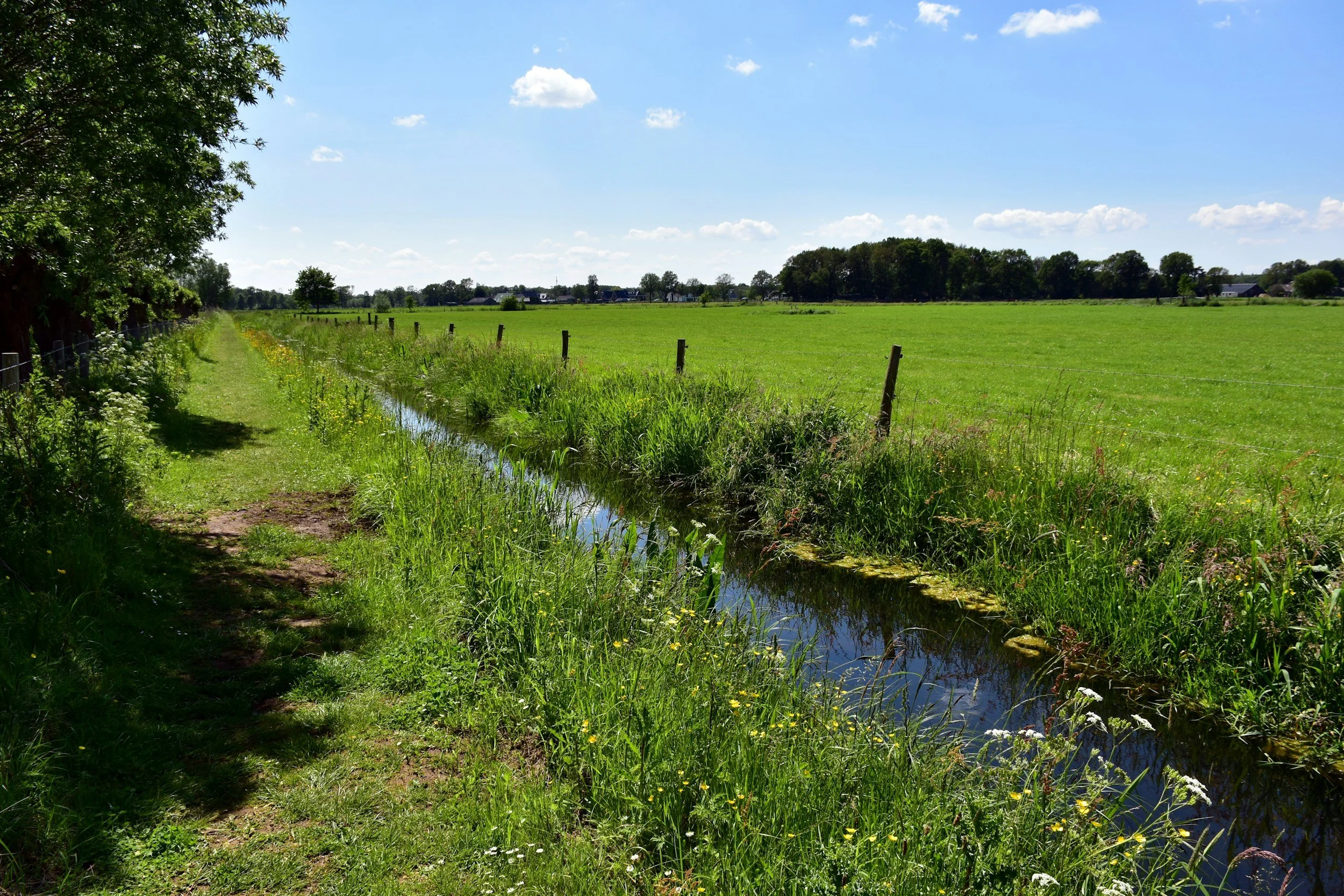
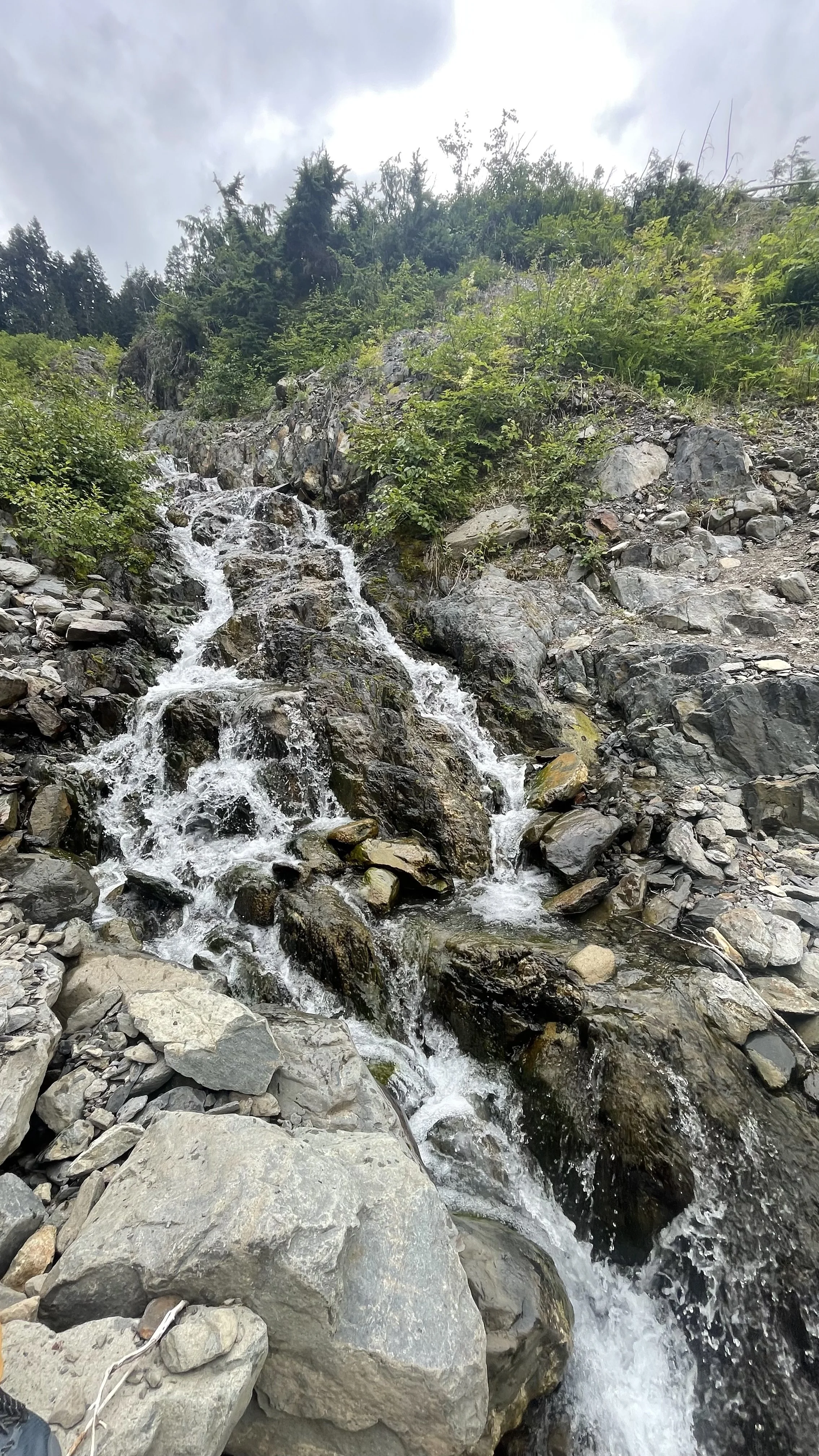
Once water reaches the ground, it can flow across the surface as runoff into streams and rivers, soak into the soil to become groundwater, or be absorbed by plant roots. From there, it continues moving through organisms and ecosystems until it eventually returns to larger bodies of water and the cycle begins again.
The water cycle does far more than move water itself. It redistributes nutrients, shapes landscapes, moderates temperatures, and determines where ecosystems can exist. Forests, deserts, wetlands, and grasslands are all largely defined by patterns of water availability.
Disruptions to this cycle through climate change, deforestation, and urban development can intensify floods, prolong droughts, and reduce freshwater availability for both wildlife and people.
How the Cycles Work Together
In nature, these cycles are not separate systems. They are deeply interconnected.
Plants require carbon dioxide, water, and nitrogen compounds simultaneously to grow. Decomposers rely on moisture to break down organic matter and release carbon and nitrogen back into soils and air. Rainfall transports nutrients through ecosystems, while plant growth influences how much carbon is pulled from the atmosphere.
An ecosystem thrives when these cycles remain balanced.
When one is disrupted, the effects ripple through food webs, soil health, water quality, and climate.
Key Concepts to Know
Nutrient cycles describe the continuous movement of matter through living and nonliving components of ecosystems.
Decomposition is the process that returns nutrients locked in dead organisms back into usable forms.
Carbon sequestration refers to long term storage of carbon in forests, soils, oceans, or geological formations.
Nitrogen fixation is the conversion of atmospheric nitrogen into compounds organisms can use.
Transpiration is the release of water vapor from plant leaves into the atmosphere.
Ecology Definitions: Nutrient Cycles
Biogeochemical Cycle
The natural pathway through which chemical elements move between living organisms (bio), the atmosphere and water (geo), and the Earth’s crust (chemical). Carbon, nitrogen, phosphorus, and water all cycle this way, allowing ecosystems to reuse essential materials instead of exhausting them.
Reservoir
A major storage location for nutrients within a cycle. For example, the atmosphere is a carbon reservoir, oceans store large amounts of dissolved carbon, and soils act as reservoirs for nitrogen compounds.
Photosynthesis
The process by which plants, algae, and some bacteria use sunlight to convert carbon dioxide and water into sugars for energy and growth, releasing oxygen as a byproduct. This is the main entry point of carbon into living ecosystems.
Respiration
The cellular process through which organisms break down sugars to release energy for life processes, producing carbon dioxide and water as waste products. Respiration returns carbon back to the atmosphere.
Decomposition
The breakdown of dead organisms and organic waste by bacteria, fungi, and other decomposers. This process releases nutrients such as carbon and nitrogen back into soil, water, and air so they can be reused by plants.
Nitrogen Fixation
The conversion of atmospheric nitrogen gas into ammonia or related compounds by specialized bacteria (and occasionally lightning), making nitrogen available for plant uptake.
Nitrification
A bacterial process that transforms ammonia into nitrites and nitrates, which plants can easily absorb through their roots.
Denitrification
The conversion of nitrates back into nitrogen gas by bacteria, returning nitrogen to the atmosphere and completing the nitrogen cycle.
Transpiration
The movement of water from plant roots to leaves and its release into the atmosphere as water vapor. This helps drive the water cycle and cool plants.
Carbon Sequestration
The long term storage of carbon in forests, soils, oceans, and geological formations, reducing the amount of carbon dioxide in the atmosphere.
Eutrophication
An ecosystem response to excess nutrients, especially nitrogen and phosphorus, in water bodies that leads to algae overgrowth, oxygen depletion, and harm to aquatic life.
Field Activity: Watching Nutrient Cycles in Real Life
Find a patch of soil with fallen leaves or decaying wood. Over time, observe how it breaks down, becomes darker, and supports new plant growth. This is nutrient cycling in action as carbon and nitrogen move from dead material back into living systems.
After a rainstorm, notice how water flows across surfaces, pools in low spots, and soaks into soil. Think about how that water is carrying dissolved nutrients with it.