

Ecosystems & Biomes
How Life Organizes Across the Planet
Every living organism exists within a system of relationships.
Plants interact with soil, sunlight, water, microbes, animals, and climate. Predators shape prey populations. Decomposers recycle nutrients back into the environment. Together, these interactions form ecosystems dynamic communities of life connected to the physical world around them.
Zoom out even farther and you begin to see patterns repeating across continents. Similar climates produce similar ecosystems, giving rise to large regions known as biomes.
Understanding ecosystems and biomes helps explain why rainforests flourish near the equator, why deserts form in dry zones, and why tundra dominates polar regions.
What Is an Ecosystem?
An ecosystem includes:
• all living organisms in an area (plants, animals, microbes)
• the nonliving environment (soil, water, air, sunlight, temperature)
• the interactions between them
But more importantly, ecosystems are defined by relationships and flows:
Energy moves from sunlight to plants to animals and eventually to decomposers.
Nutrients cycle between organisms, soil, water, and atmosphere.
Species influence one another’s survival and behavior.
A forest is not just trees. It is fungi breaking down leaves, insects pollinating flowers, birds dispersing seeds, predators controlling herbivores, and soil microbes maintaining fertility.
Ecosystems exist at many scales, from a fallen log to an entire ocean.
What Is a Biome?
A biome is a large scale ecosystem type shaped primarily by:
• climate (temperature and precipitation)
• dominant vegetation
• characteristic animal communities
While ecosystems describe local interactions, biomes describe global patterns.
For example, many different forest ecosystems exist across the world, but tropical rainforests share similar climate conditions and biological traits regardless of continent.
Major Terrestrial Biomes
Tropical Rainforests
Found near the equator, tropical rainforests receive heavy rainfall year round and experience warm temperatures with little seasonal change.
These conditions allow for:
dense layered vegetation
rapid plant growth
extremely high biodiversity
Rainforests contain more species per area than any other biome on Earth. Plants compete intensely for sunlight, leading to tall canopy trees, climbing vines, and shade tolerant plants below. Nutrient cycling happens quickly because warm, moist conditions speed up decomposition.
Despite lush growth, rainforest soils are often nutrient poor because nutrients are rapidly absorbed by plants instead of stored in the ground.
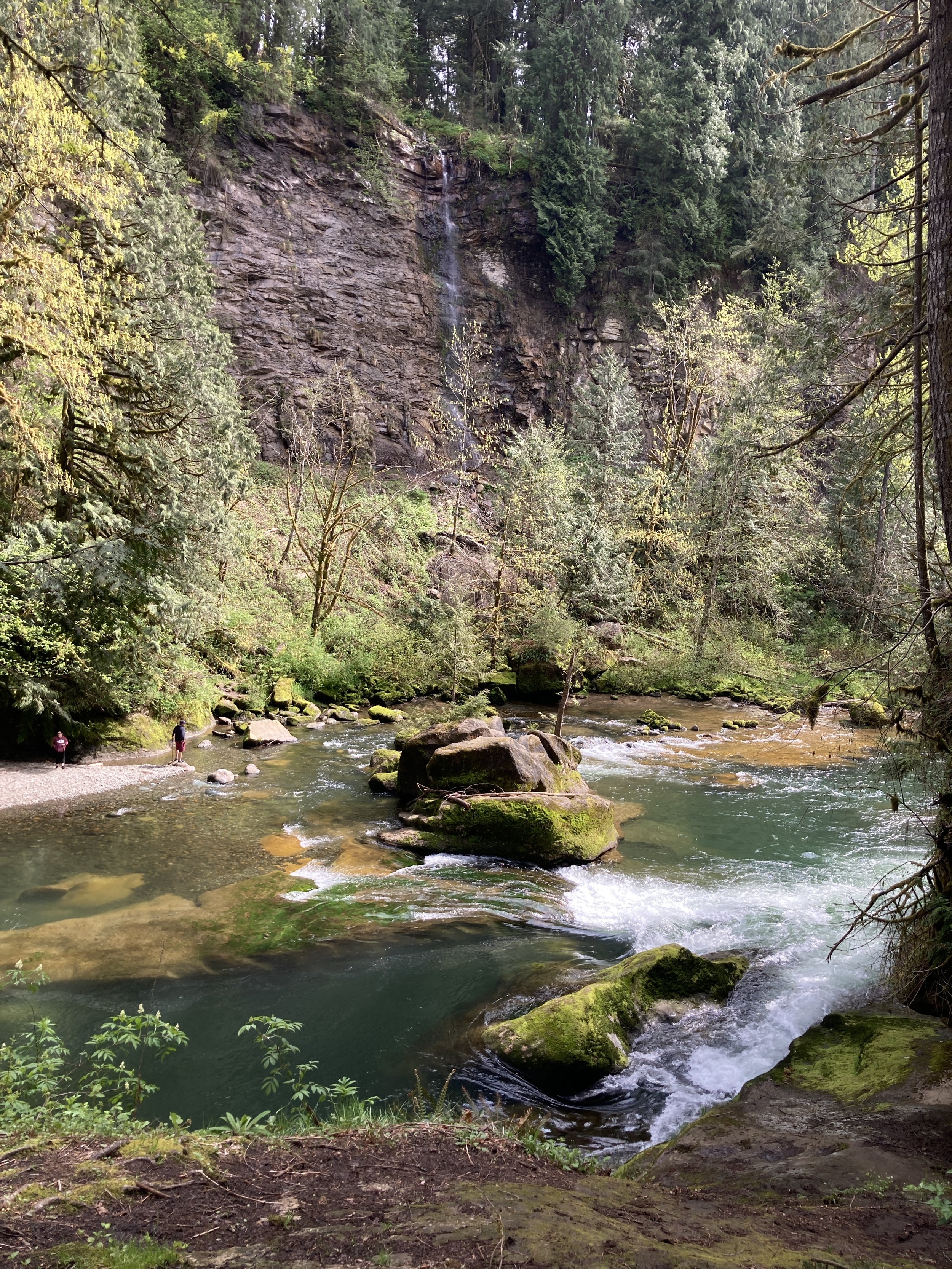
Temperate Forests
Temperate forests occur in regions with moderate rainfall and clear seasonal changes.
They are dominated by deciduous trees (like oak and maple) that lose leaves in winter, as well as evergreen conifers in cooler areas.
Seasonal leaf drop creates rich soils as decomposers break down organic matter. These forests support diverse mammals, birds, amphibians, and insects, and often show strong seasonal patterns in animal behavior and plant growth.
This is the biome many people in the eastern and western United States live within.
Grasslands
Grasslands receive less rainfall than forests, preventing large trees from dominating.
There are two main types:
Temperate grasslands (prairies, steppes) with cold winters and hot summers
Tropical savannas with warm temperatures year round and seasonal rains
Grasses have deep root systems that allow them to survive droughts and fires. Large grazing animals such as bison, antelope, and zebras play key roles in shaping these ecosystems by controlling plant growth and redistributing nutrients.
Grasslands often have some of the richest soils in the world, making them prime agricultural regions.
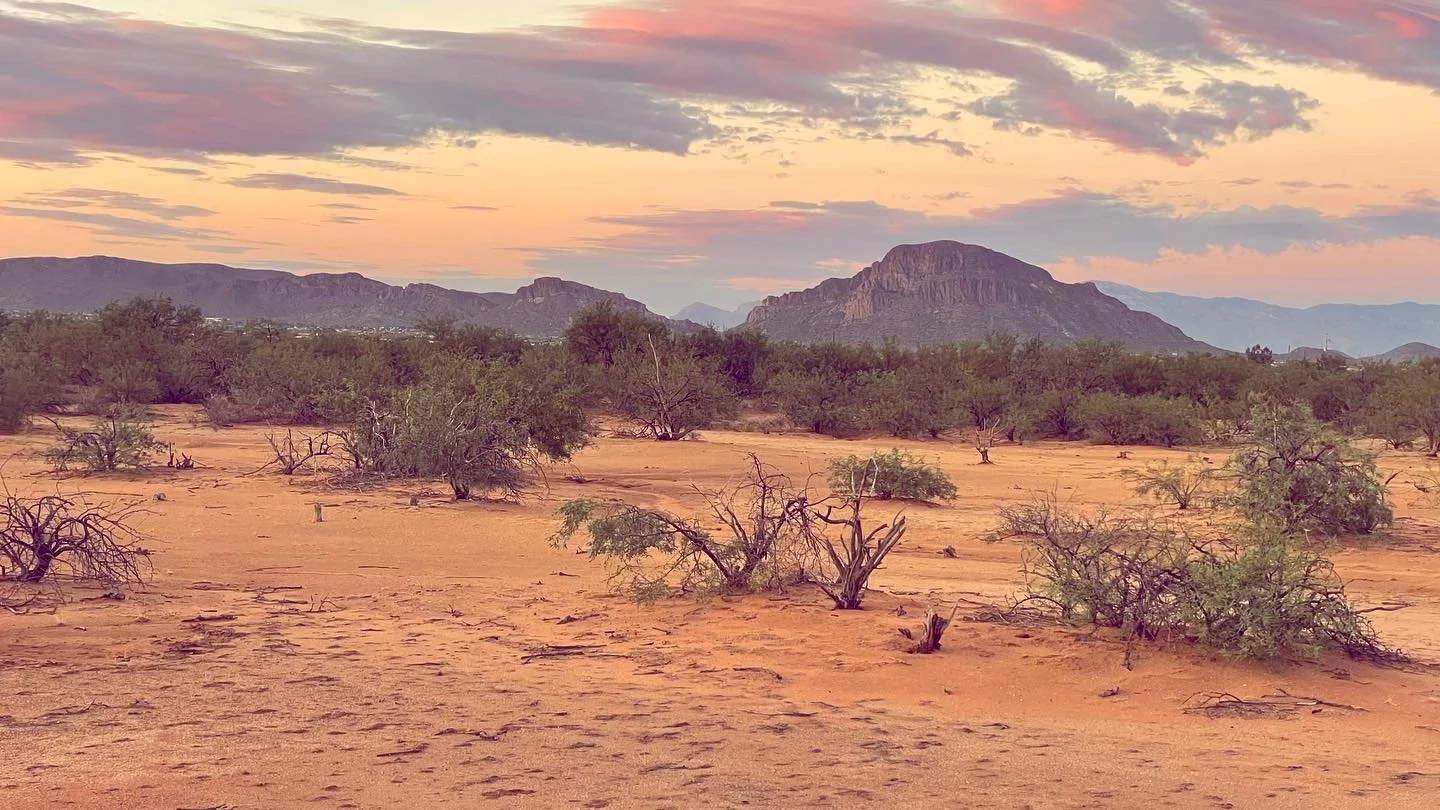
Deserts
Deserts form where precipitation is extremely low.
Temperatures may be hot (like the Sahara) or cold (like the Gobi), but all deserts share limited water availability.
Plants and animals show remarkable adaptations:
succulent plants store water
deep roots reach groundwater
animals are often nocturnal to avoid heat
Despite appearing barren, deserts host specialized ecosystems finely tuned to extreme conditions.
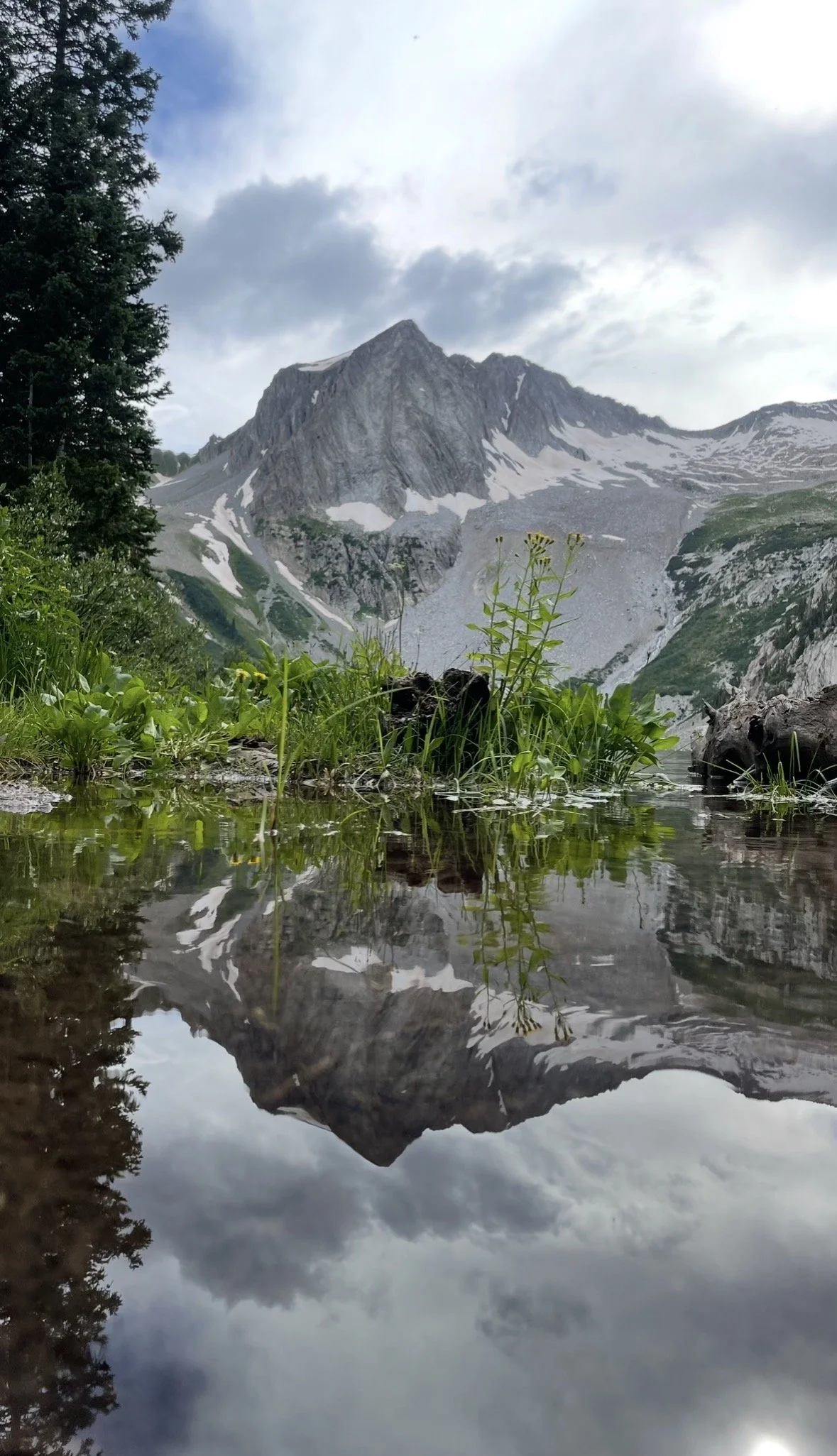
Tundra
Tundra occurs in polar regions and high mountain areas where temperatures remain cold most of the year.
The soil often contains permafrost, a permanently frozen layer that limits root growth and drainage.
Vegetation consists mainly of mosses, grasses, lichens, and small shrubs. Large animals such as caribou, musk oxen, and arctic foxes migrate or have thick insulation to survive the cold.
Short growing seasons make tundra ecosystems highly sensitive to climate change.
Major Aquatic Ecosystems
Freshwater Ecosystems
These include:
rivers and streams
lakes and ponds
wetlands
Freshwater systems support fish, amphibians, insects, birds, and aquatic plants. Wetlands in particular are biodiversity hotspots that filter water, reduce flooding, and provide crucial wildlife habitat.
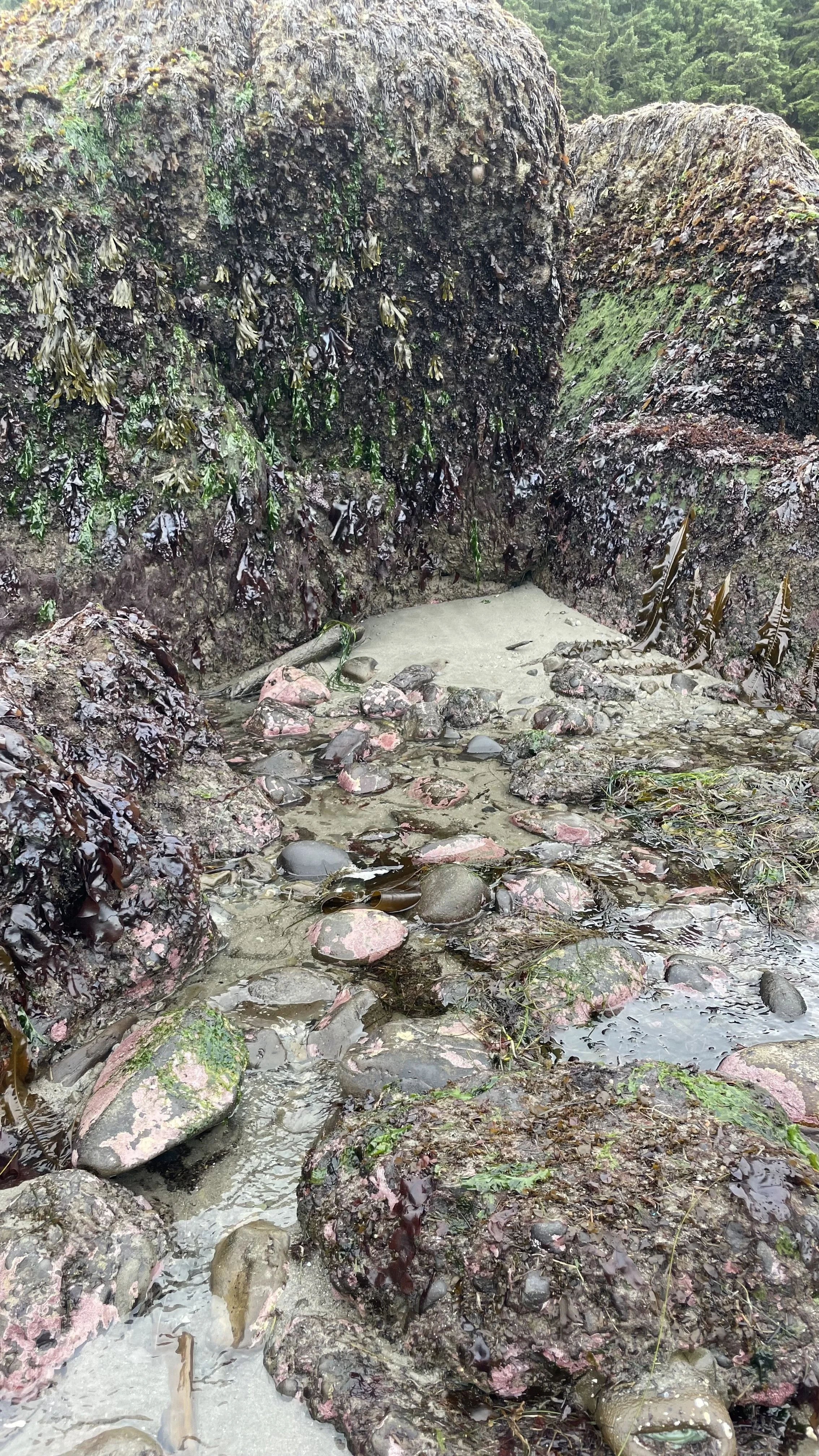
Marine Ecosystems
Oceans cover over 70% of Earth’s surface.
Major marine ecosystems include:
coral reefs (high biodiversity, shallow waters)
open ocean (phytoplankton driven food webs)
estuaries (where rivers meet oceans, extremely productive)
Phytoplankton tiny photosynthetic organisms form the base of marine food webs and produce a large portion of Earth’s oxygen.
How Climate Shapes Biomes
Temperature influences how fast plants grow and how quickly nutrients cycle.
Precipitation determines vegetation density and water availability.
Together, these two factors largely determine which biome forms in a region.
Changes in climate can shift biome boundaries, turning forests into grasslands or grasslands into deserts over time.
Why Ecosystems & Biomes Matter
They regulate Earth’s climate.
They support biodiversity.
They provide food, clean water, oxygen, and soil fertility.
They buffer natural disasters like floods and storms.
When ecosystems are damaged or fragmented, these services decline.
Conservation is ultimately about protecting the systems that sustain life.
Key Definitions
Ecosystem
A community of living organisms interacting with each other and with their physical environment as a functional unit.
Biome
A large region characterized by similar climate, vegetation, and dominant animal life.
Biodiversity
The variety of life within an ecosystem, biome, or across the planet.
Primary Productivity
The rate at which plants and photosynthetic organisms produce energy rich organic matter.
Permafrost
Permanently frozen soil found in tundra regions that limits plant growth and drainage.
Estuary
A coastal area where freshwater mixes with saltwater, creating highly productive ecosystems.
Field Activity: Build a Biome From Clues
Objective
Use environmental evidence to identify what type of ecosystem or biome you’re in and explain why it exists there.
Step 1: Collect Climate Clues
Write down or note:
• Is the ground mostly wet, dry, muddy, or frozen?
• Is there thick tree cover, open grass, shrubs, or very little vegetation?
• Are leaves broad and thin, needle like, waxy, or small?
• Is there standing water nearby (streams, wetlands, puddles)?
These features hint at rainfall and temperature patterns.
Step 2: Identify Dominant Life Forms
Instead of listing species, focus on types:
• tall trees vs grasses vs mosses
• evergreen vs deciduous
• insects everywhere vs few visible animals
Ask:
What kind of organisms clearly dominate this space?
Step 3: Match to a Biome
Based on your observations, decide:
Does this look most like:
Temperate forest
Grassland
Wetland
Desert style environment
Tundra style environment
Then explain why using climate and vegetation clues.
Step 4: Ecosystem Connections
Pick one plant or animal you saw and answer:
• What does it depend on?
• What might depend on it?
• How would this system change with less rain? More heat?