

Decomposers & Soil Life
The Hidden Workforce of Ecosystems
When leaves fall, animals die, and waste is produced, ecosystems don’t fill up with debris.
Instead, an enormous community of organisms breaks everything down and returns nutrients back into the system. These organisms are known as decomposers, and together with countless microscopic life forms in the soil, they form one of the most important biological networks on Earth.
Without decomposers and healthy soils, nutrients would remain locked inside dead material, plant growth would stop, and food webs would collapse.
In many ways, soil is not just dirt. It is a living ecosystem.
What Are Decomposers?
Decomposers are organisms that feed on dead plants, animals, and organic waste, breaking complex materials into simpler chemical forms.
The two primary groups are:
Bacteria microscopic organisms that chemically break down organic compounds
Fungi organisms that grow threadlike networks (mycelium) through soil and decaying matter, releasing enzymes that dissolve tough materials like wood and leaves
Together, they perform the chemical work of decomposition.
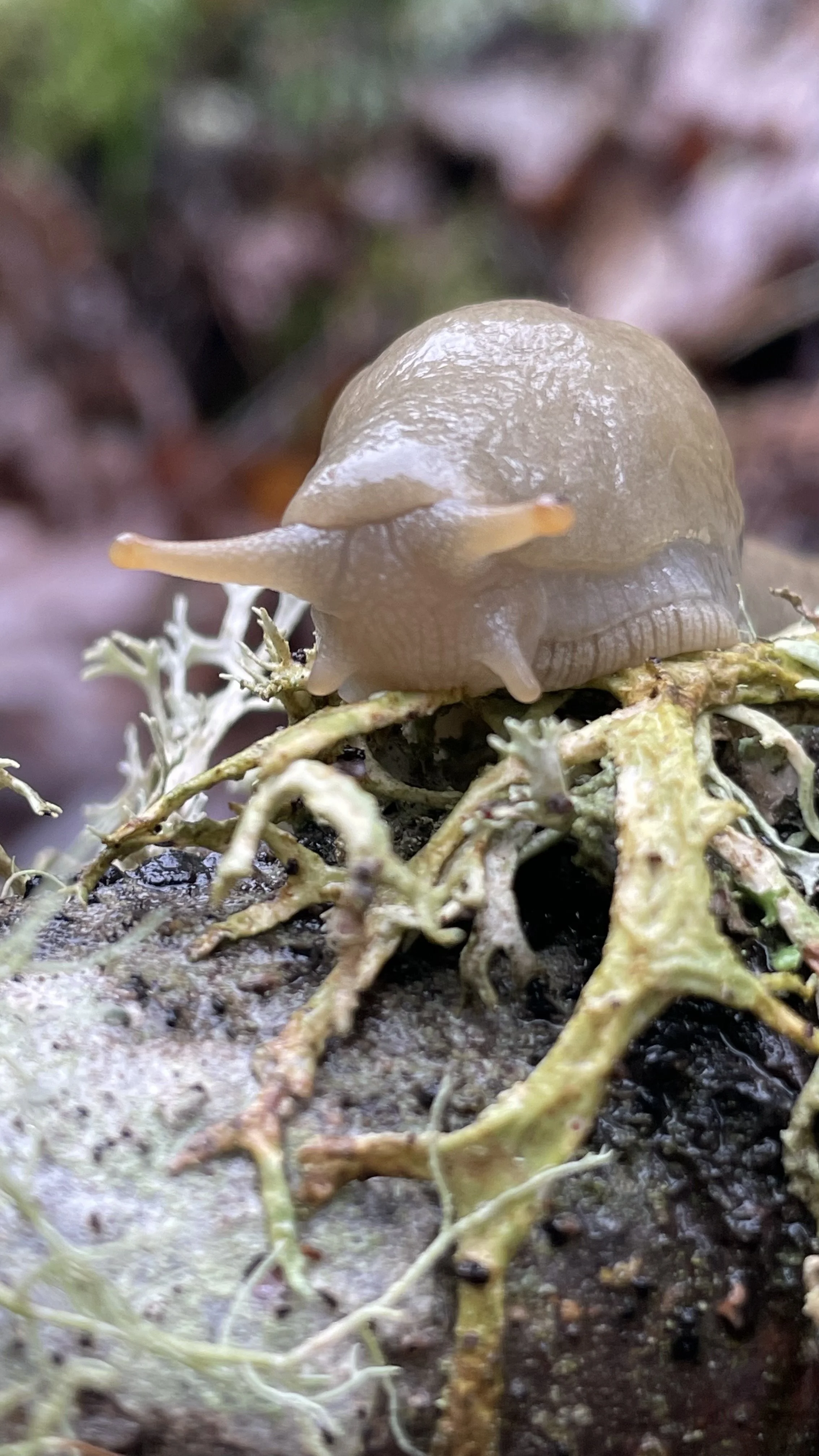
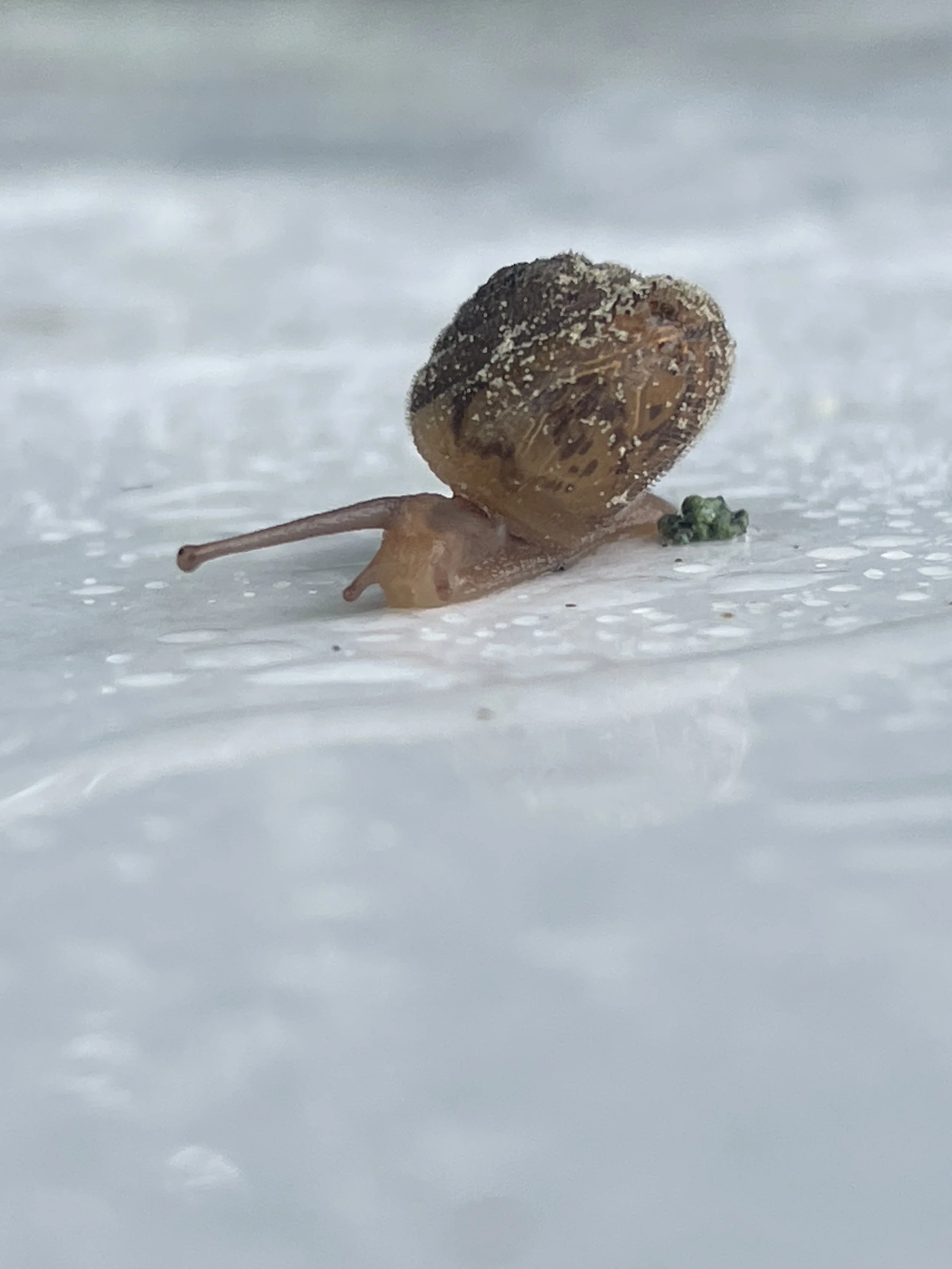
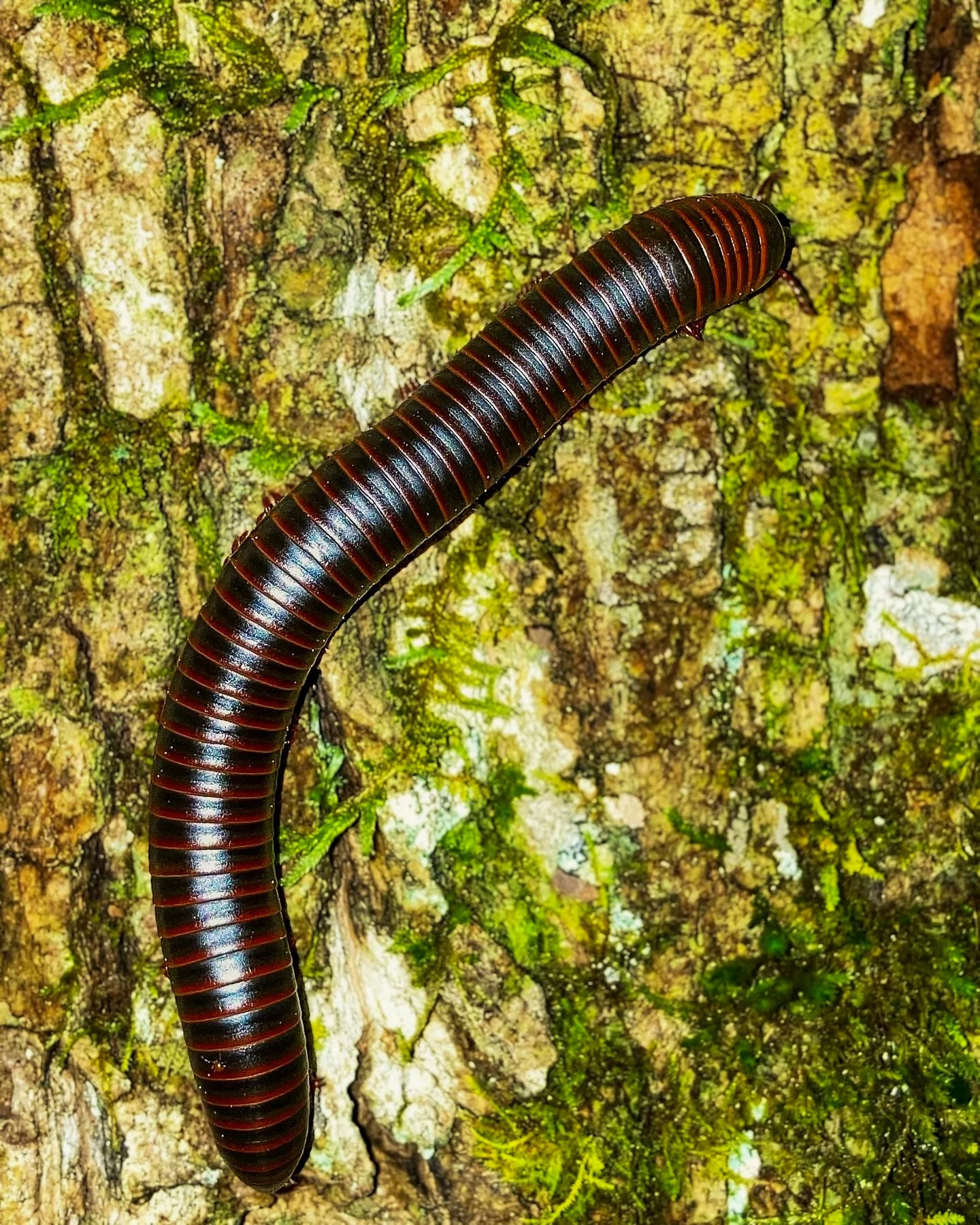
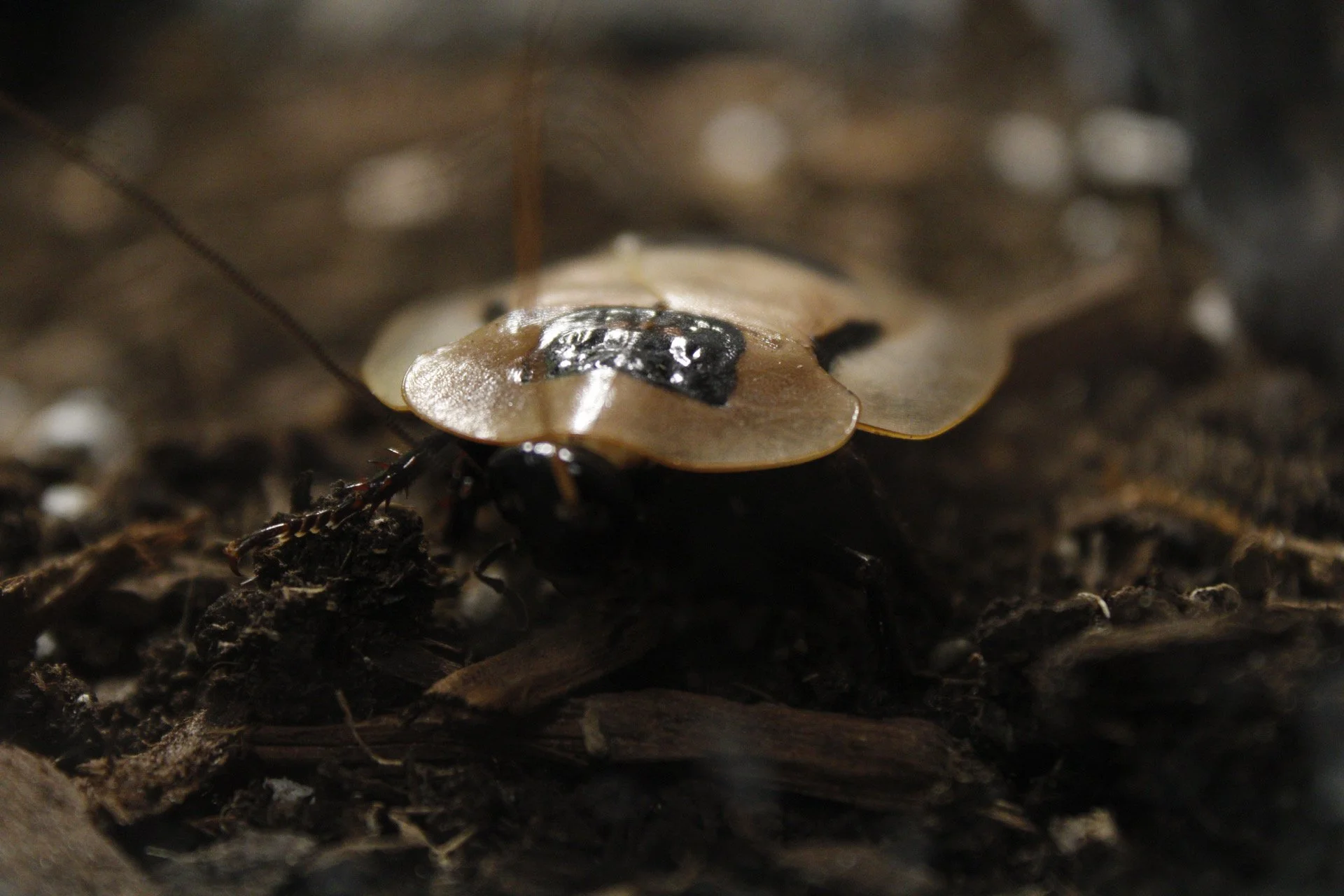
Larger organisms often called detritivores such as earthworms, millipedes, insects, and some crustaceans physically break material into smaller pieces, increasing surface area for bacteria and fungi to finish the process.
How Decomposition Works
When organic matter falls to the ground, it begins to be colonized by microbes.
Fungi penetrate plant tissues and release enzymes that break down cellulose and lignin (the substances that make wood and leaves rigid). Bacteria then break down sugars, proteins, and other compounds.
As this happens:
• carbon is released back into the atmosphere as CO₂ through microbial respiration
• nitrogen and minerals are released into the soil in forms plants can absorb
• organic matter is transformed into humus, a dark, nutrient rich soil component
This process links directly back to nutrient cycles and primary productivity.
The Living Soil Ecosystem
Healthy soil contains billions of organisms in a single handful.
These include:
bacteria and fungi
protozoa that feed on microbes
nematodes (microscopic worms)
arthropods like mites and insects
larger organisms such as earthworms
Together, they form complex food webs beneath our feet.
This underground community controls:
nutrient availability
soil structure and aeration
water retention
plant health
Earthworms, for example, mix organic matter into soil and create tunnels that improve oxygen flow and water infiltration. Mycorrhizal fungi form partnerships with plant roots, expanding their ability to absorb nutrients and water in exchange for sugars from plants.
Why Soil Life Is Critical for Ecosystems
Healthy soils allow ecosystems to:
support strong plant growth
store carbon and reduce climate change impacts
filter water and reduce pollution
resist erosion
recover after disturbances
When soils are degraded through deforestation, over farming, pollution, or compaction, ecosystems lose productivity and resilience.
This is one reason habitat destruction has long term effects even after vegetation regrows.
Decomposers in Different Ecosystems
Decomposition rates vary by biome.
In tropical rainforests, warm and moist conditions cause extremely rapid breakdown, meaning nutrients are quickly recycled but rarely stored in soil.
In temperate forests, seasonal leaf fall builds thick soil layers rich in organic matter.
In deserts and tundra, decomposition is slow due to dryness or cold, allowing organic material to accumulate for long periods.
These differences strongly shape ecosystem productivity.
Key Definitions
Decomposer
An organism, primarily bacteria or fungi, that breaks down dead organic material into simpler substances.
Detritivore
An organism that consumes dead material and physically breaks it into smaller pieces, aiding decomposition.
Humus
Dark, organic material in soil formed from decomposed plant and animal matter that stores nutrients and water.
Mycorrhizae
Symbiotic relationships between fungi and plant roots that enhance nutrient and water uptake.
Soil Food Web
The complex network of organisms living in soil and transferring energy and nutrients through feeding relationships.
Field Activity: Soil Life Investigation
Choose a patch of soil under leaves, logs, or grass.
Carefully dig a small section and observe:
• presence of insects or worms
• moisture level
• color and smell (rich soils smell earthy)
Compare with soil from a dry, compacted, or disturbed area like a path or bare ground.
Ask:
Which seems more alive?
Which would better support plant growth?
This reveals the importance of soil ecosystems firsthand.