

Interviews and In the News
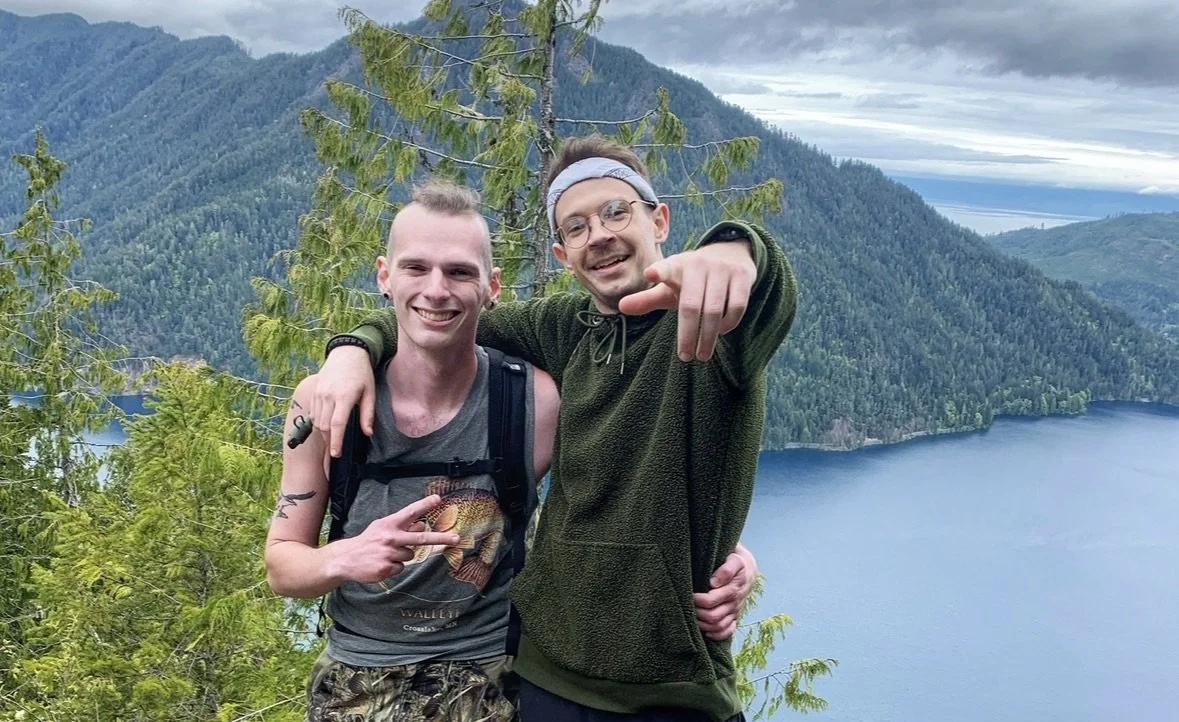
Read about our recent interviews talking about citizen science, birding, and Ecology Amateurs itself. Check out the articles themselves too, links within.
ZEW Symposium 2026
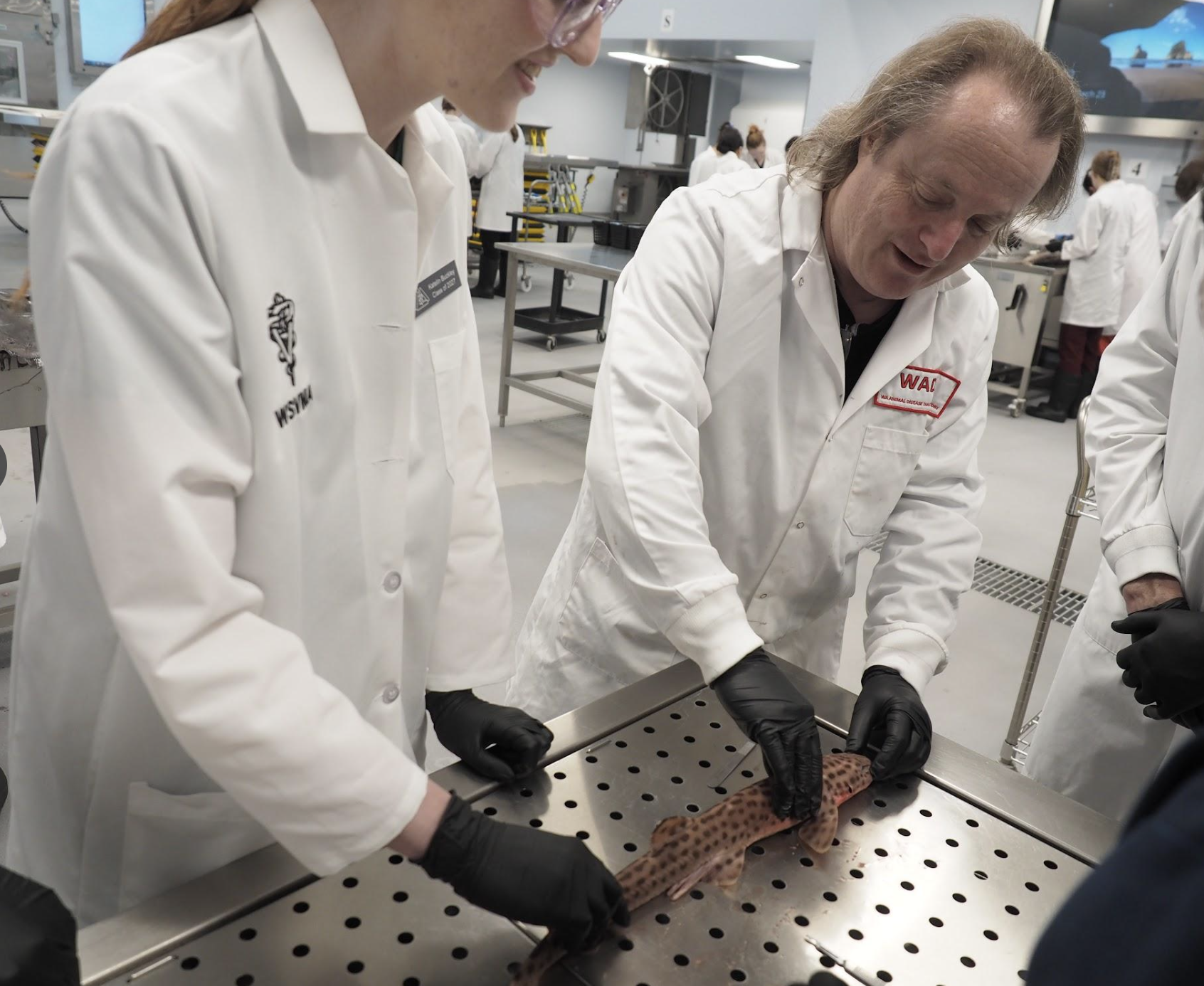
There’s something a little surreal about sitting in a room full of veterinarians, researchers, and wildlife professionals while realizing that every single person there has dedicated their life to understanding animals in ways that most people never even think about.
That was the 2026 ZEW Symposium.
Field Report: Palouse Falls State Park
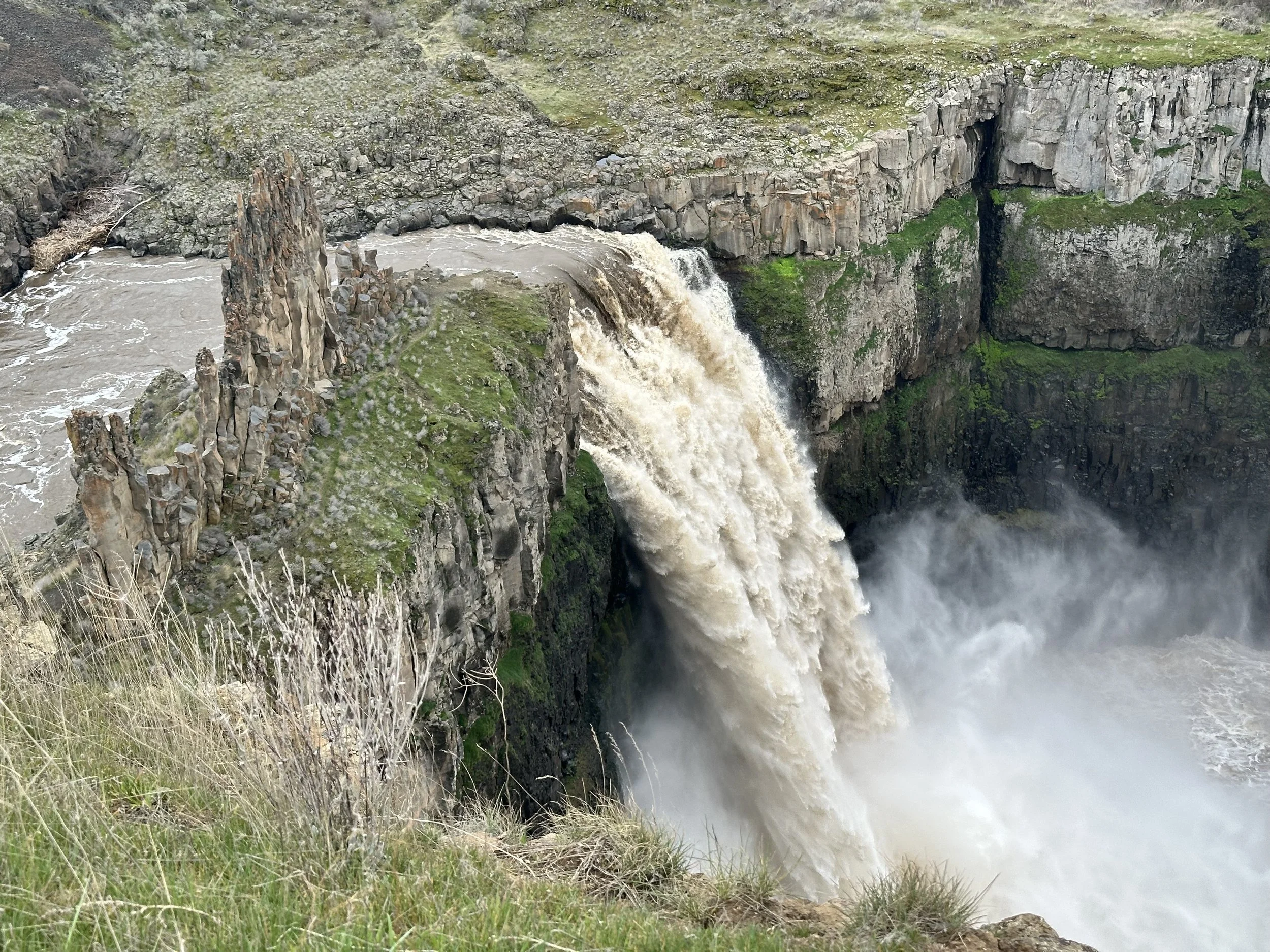
What makes this place truly remarkable isn’t just the scenery or even the wildlife you immediately see. It’s what the landscape represents. The rolling hills surrounding the falls are remnants of the historic Palouse prairie, a grassland ecosystem that once covered large portions of eastern Washington and Idaho. Today, it’s largely been converted to agriculture, leaving only fragmented patches of native habitat.
Field Report: Marsh Madness 2026
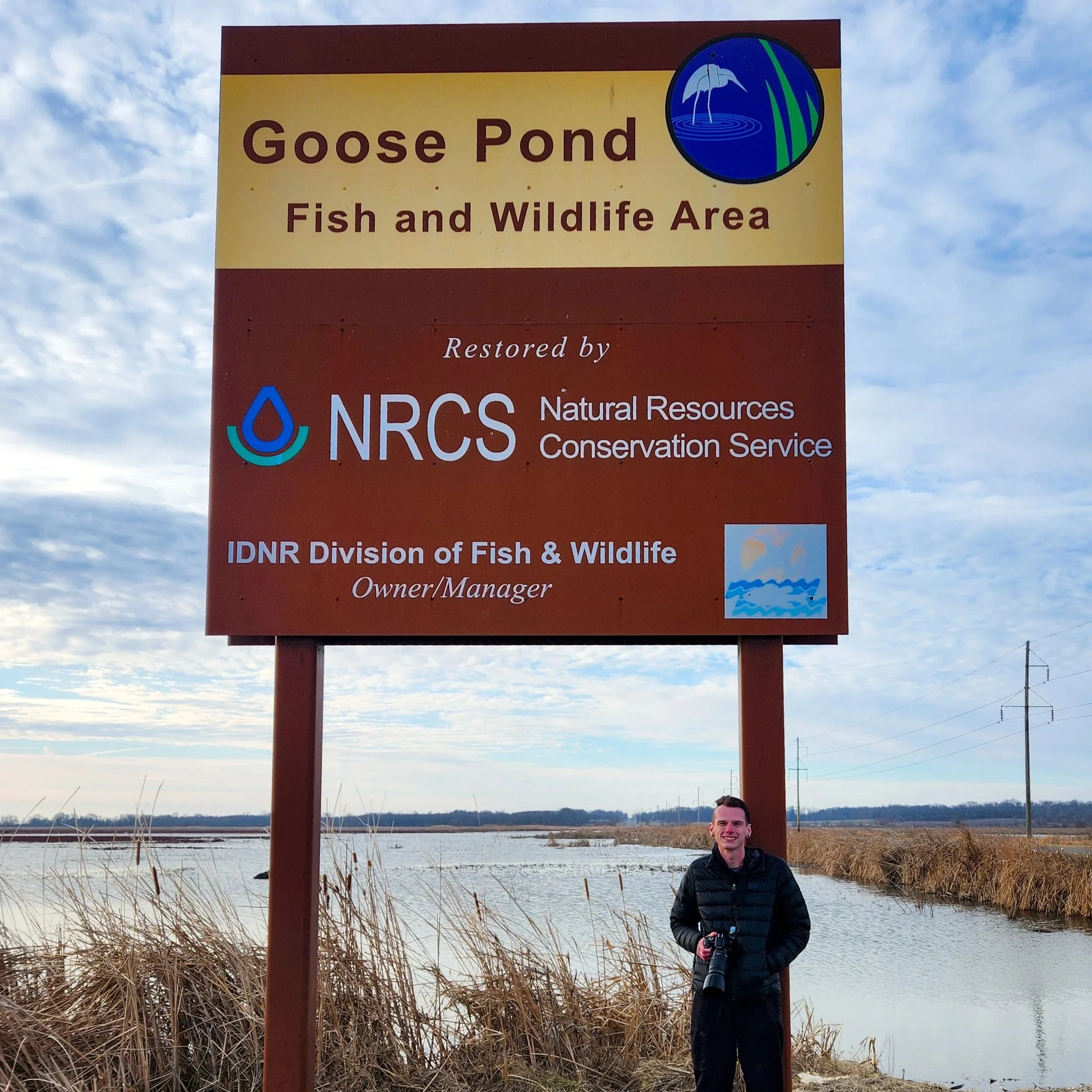
This isn’t March Madness, we’re not talking about any brackets or college basketball here. Marsh Madness is a migration celebration, welcoming Sandhill cranes and waterfowl to a key stopover site on their springtime journey north. The annual festival takes place at Goose Pond Fish & Wildlife Area in Linton, IN; occurring in late February nowadays, since earlier migration patterns are being seen due to climate change. Friends of Goose Pond has held the event since 2010; attracting birders from across the Midwest with guided tours, educational presentations, a craft fair, and more.
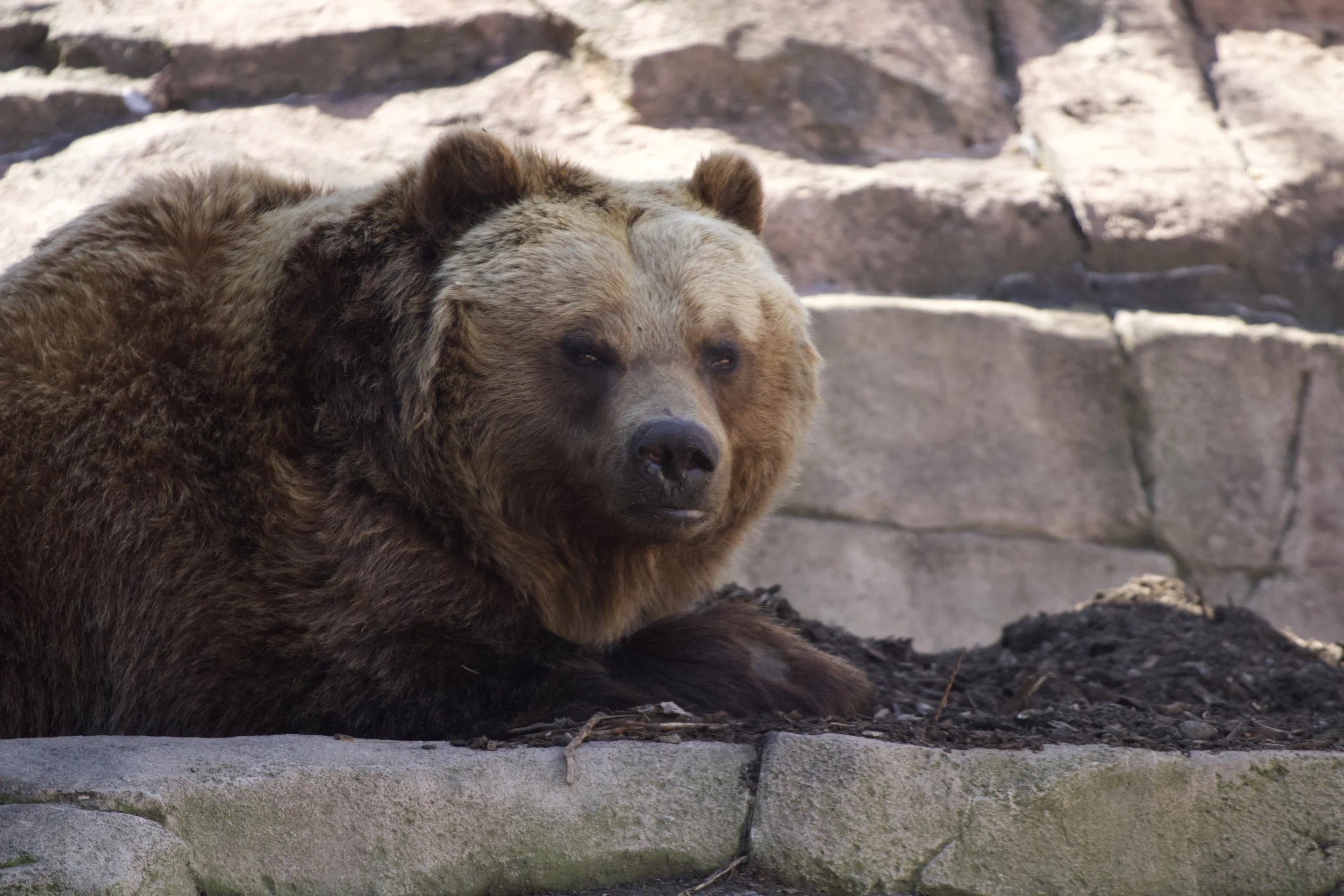
Restoring Grizzly Bears to the North Cascades: Why It Matters and Why It’s Stalled
Grizzly Bear Reintroduction has HALTED!
Grizzly bears help regulate populations of herbivores and smaller predators, disperse seeds through their omnivorous diets, and recycle nutrients across mountain valleys. Their digging behavior aerates soil and aids in plant germination. In many ways, grizzlies acted as ecosystem engineers long before the term was ever coined.
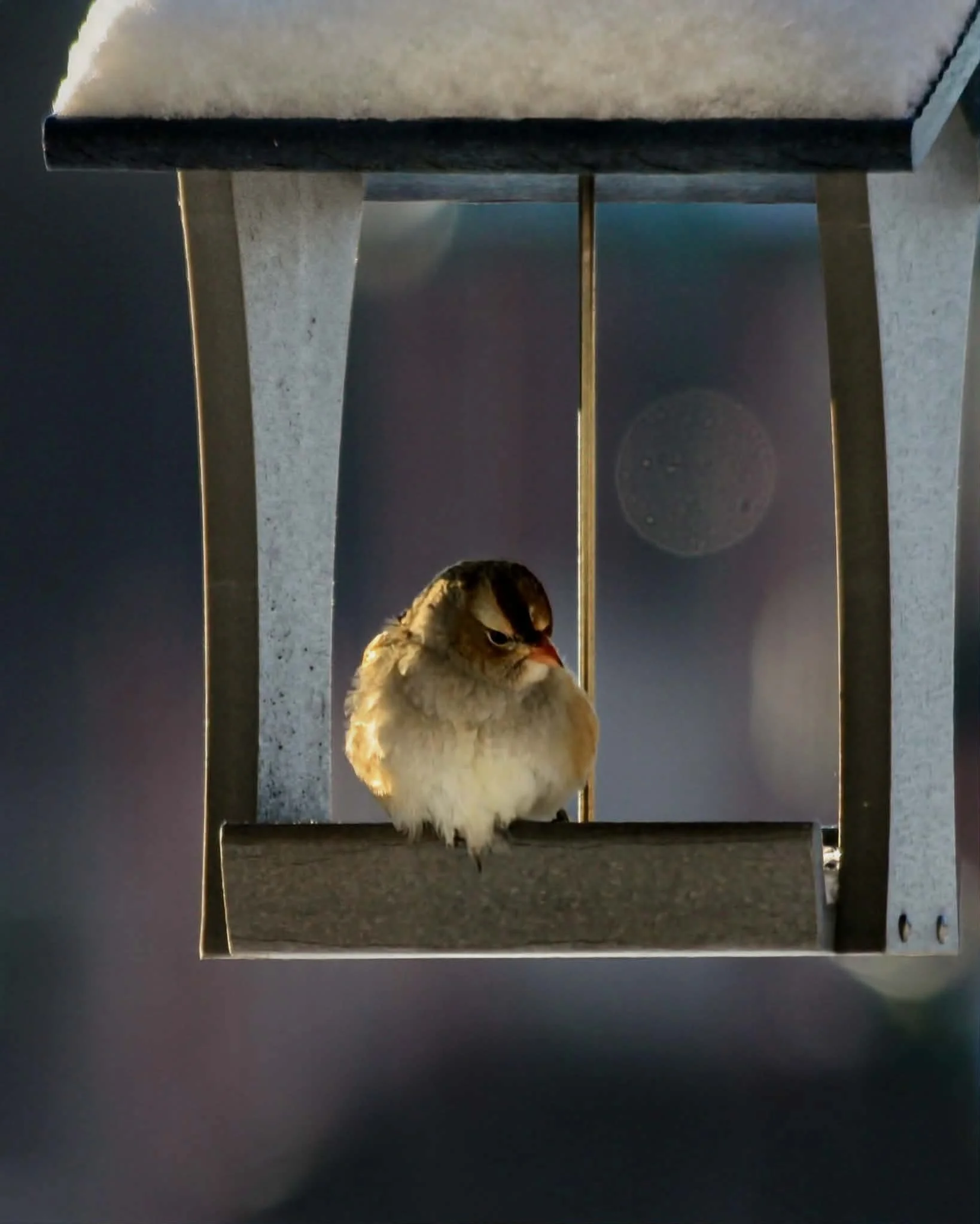
Bird Feeders vs “Don’t Feed Wildlife”
Is feeding wildlife harmful, or is it conservation?
The answer is that bird feeding occupies a complicated middle ground. There is a difference between feeding birds and feeding other wildlife, but that difference depends on species biology, behavior, scale, and how feeders are managed.
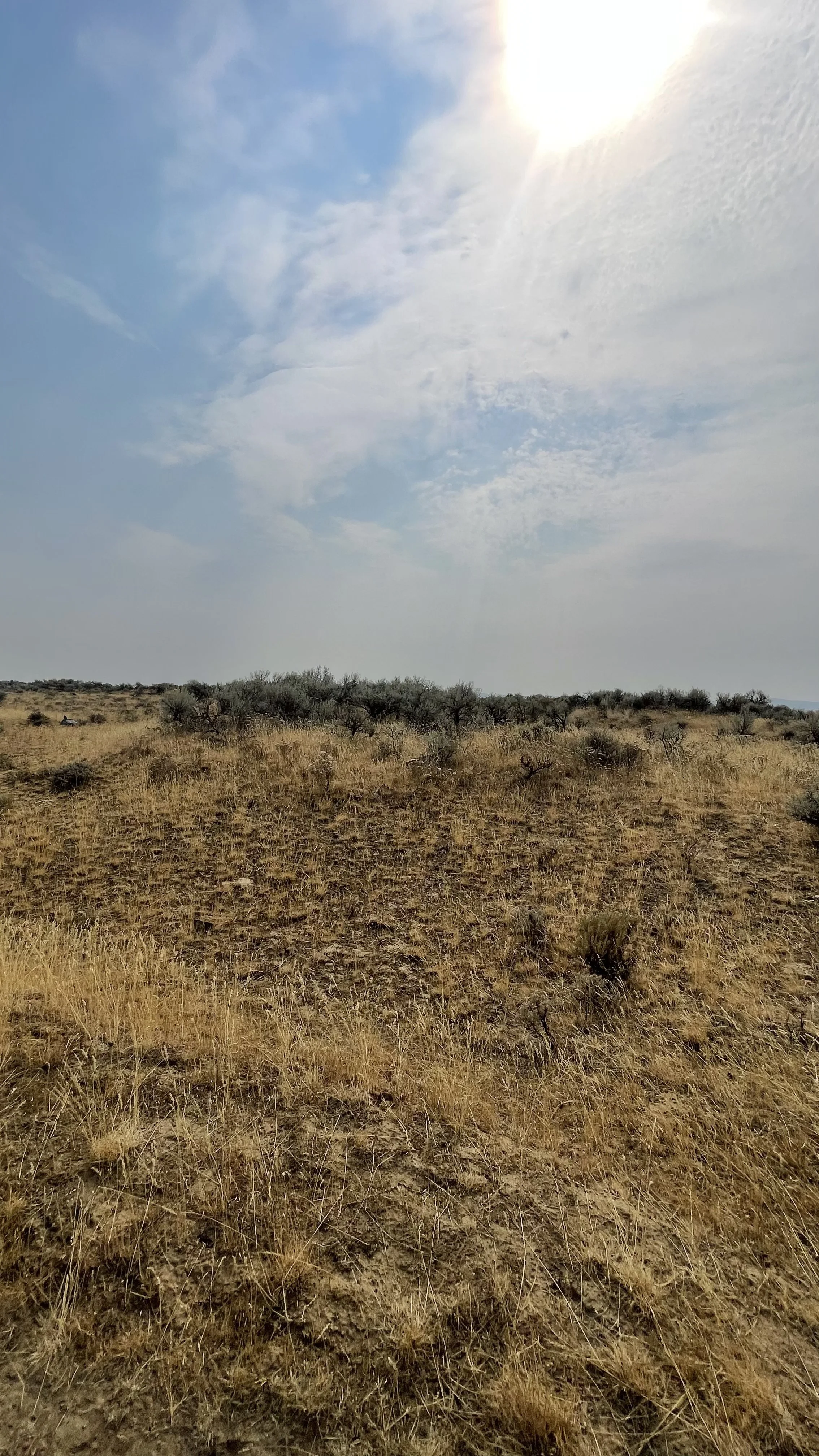
The United States Has Left the Paris Climate Agreement. What Does That Mean for Wildlife and Ecosystems?
Climate change is not an abstract future concern. It is already shaping landscapes, altering ecosystems, and influencing how wildlife survives and moves through the world. The Paris Agreement, adopted in 2015, brought nearly every nation together under a shared framework aimed at limiting global temperature rise. Countries set voluntary emissions reduction targets, tracked progress publicly, and worked collectively to keep warming well below two degrees Celsius above pre industrial levels. In January 2026, the United States officially withdrew from the Paris Climate Agreement.

Scaly, Slimy, and Seriously Misunderstood: Why Reptiles and Amphibians Need Our Empathy
Reptiles and amphibians are often misunderstood, but they play a vital role in ecosystems. Learn about the challenges species like the Eastern Hellbender, Spotted Turtle, and Timber Rattlesnake face, and how organizations like the Orianne Society are working to protect them.
Battling the Invaders: Our NISAW 2025 Adventure
Join Kam and Jack as they tackle invasive species during National Invasive Species Awareness Week 2025! From bullfrogs to blackberry brambles, see how they fought back against ecological invaders in Washington and Indiana while sharing tips on how you can help protect native wildlife.

Silent Predators: How Domestic Cats Are Disrupting Ecosystems Worldwide
Domestic cats kill billions of birds, mammals, and reptiles yearly, making them one of the most destructive invasive species. Learn the hard facts, statistics, and ecological consequences of free-roaming cats on global biodiversity.

The Vital Role of Scavengers: How Turkey Vultures and Other Wildlife Keep Ecosystems Clean
Discover the crucial role scavengers like turkey vultures, coyotes, and ravens play in maintaining healthy ecosystems. Learn how these often-overlooked animals prevent disease, recycle nutrients, and keep nature’s cleanup system running smoothly.

How Zoos Support Conservation, Education, and Wildlife Appreciation
Modern zoos do more than showcase animals they educate visitors, protect endangered species, and inspire a love for wildlife. Learn how zoos contribute to conservation efforts and why they’re essential for protecting nature.

Wild Neighbors: How Wildlife Adapts to Human Life (and How We Can Get Along)
Wild animals are adapting to human environments in surprising ways, from raccoons raiding trash cans to coyotes roaming suburbs. Learn about common human-wildlife conflicts, why they happen, and simple ways to prevent them while keeping nature in balance.

Banana Slugs: The Slimy Superstars of the Forest
Banana slugs are the slimy superheroes of the Pacific Northwest, breaking down organic matter, spreading fungal spores, and keeping forests thriving. Learn about their natural history, ecosystem role, and the environmental pressures these fascinating decomposers face.

Raptors, Cranes, and New Birding Brains: Our Great Backyard Bird Count 2025 Recap
The Great Backyard Bird Count 2025 was a wild ride, and Jack and I had a blast participating this year! It’s always fun to take part in this citizen science event, where people across the globe count and report the birds they see in their own backyards. For me, this year was all about stepping up my birding game. I’ve always been fascinated by wildlife, but birding has always felt a bit daunting especially with how quickly some of those little feathered guys zip around! But during the GBBC, I found myself identifying species like a pro Song Sparrows, Spotted Towhees. It felt like my birding knowledge grew every day!